Built in Canada
Mushroom identification,
done right.
Machine learning trained on millions of verified observations. Real photographs, global distribution maps, toxic look-alikes, and safety data for every species. The identification experience mushroom foragers deserve.
Most Dangerous Mushrooms
The deadliest species on Earth and how to recognize them.
Best Edible Mushrooms
The most prized wild mushrooms for foraging and cooking.
Cooking Wild Mushrooms
8 real recipes from chanterelle risotto to lion's mane crab cakes.
Mushrooms by Region
Find what grows near you — with global distribution maps.
Popular Articles
How to Identify a Poisonous Mushroom
The myths that will get you killed — and what actually works.
My Dog Ate a Mushroom — What Do I Do
Emergency steps, danger signs, and which yard mushrooms kill dogs.
Mushrooms That Can Kill You
Real poisoning cases, real species. True crime meets mycology.
Beginner's Guide to Mushroom Foraging
Everything you need to know to start — from someone who started last year.
Mushrooms in Your Yard
What they are, whether to panic, and what about the dog.
Foraging by Season
Month-by-month guide to what's fruiting and where to find it.
Wild Mushroom Recipes
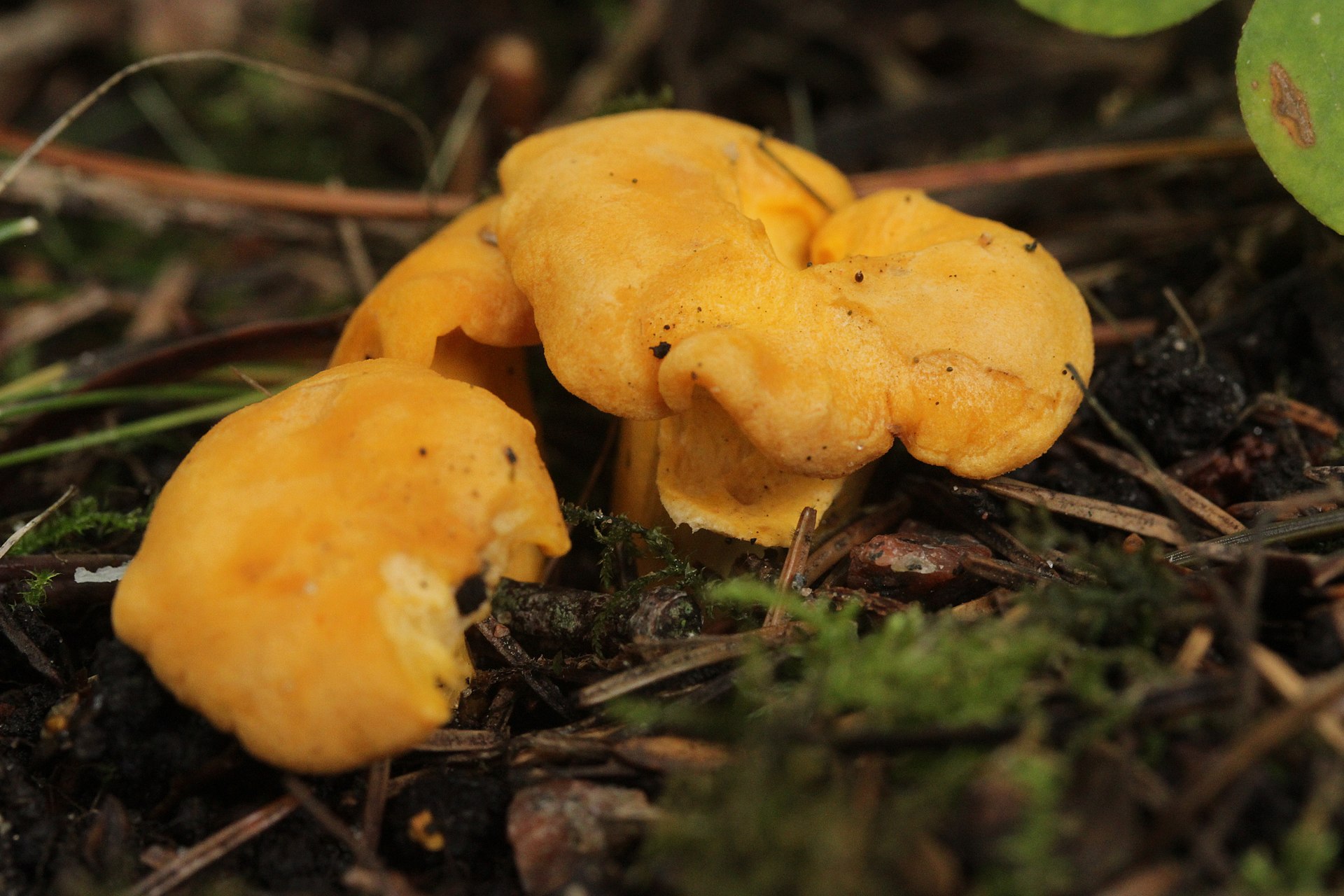
Golden Chanterelle
Chanterelle Risotto with Thyme and Parmesan
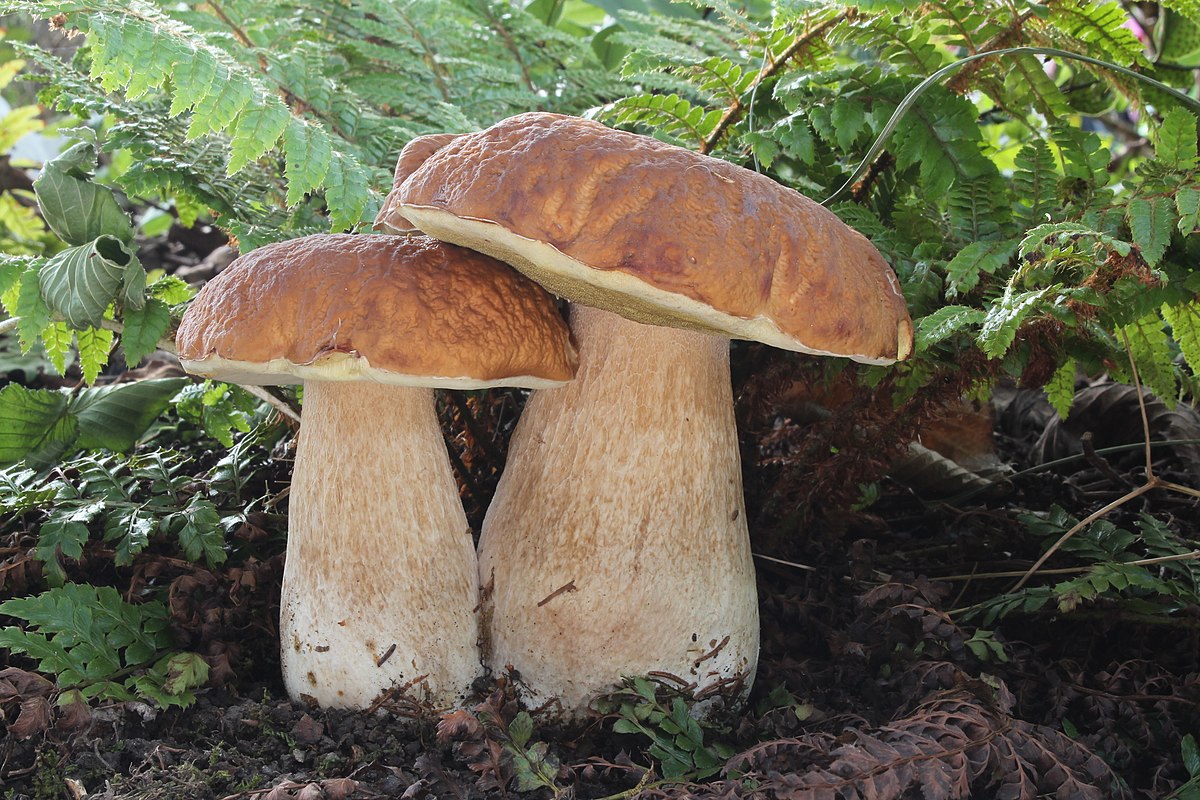
Porcini
Porcini Pappardelle with Brown Butter and Sage
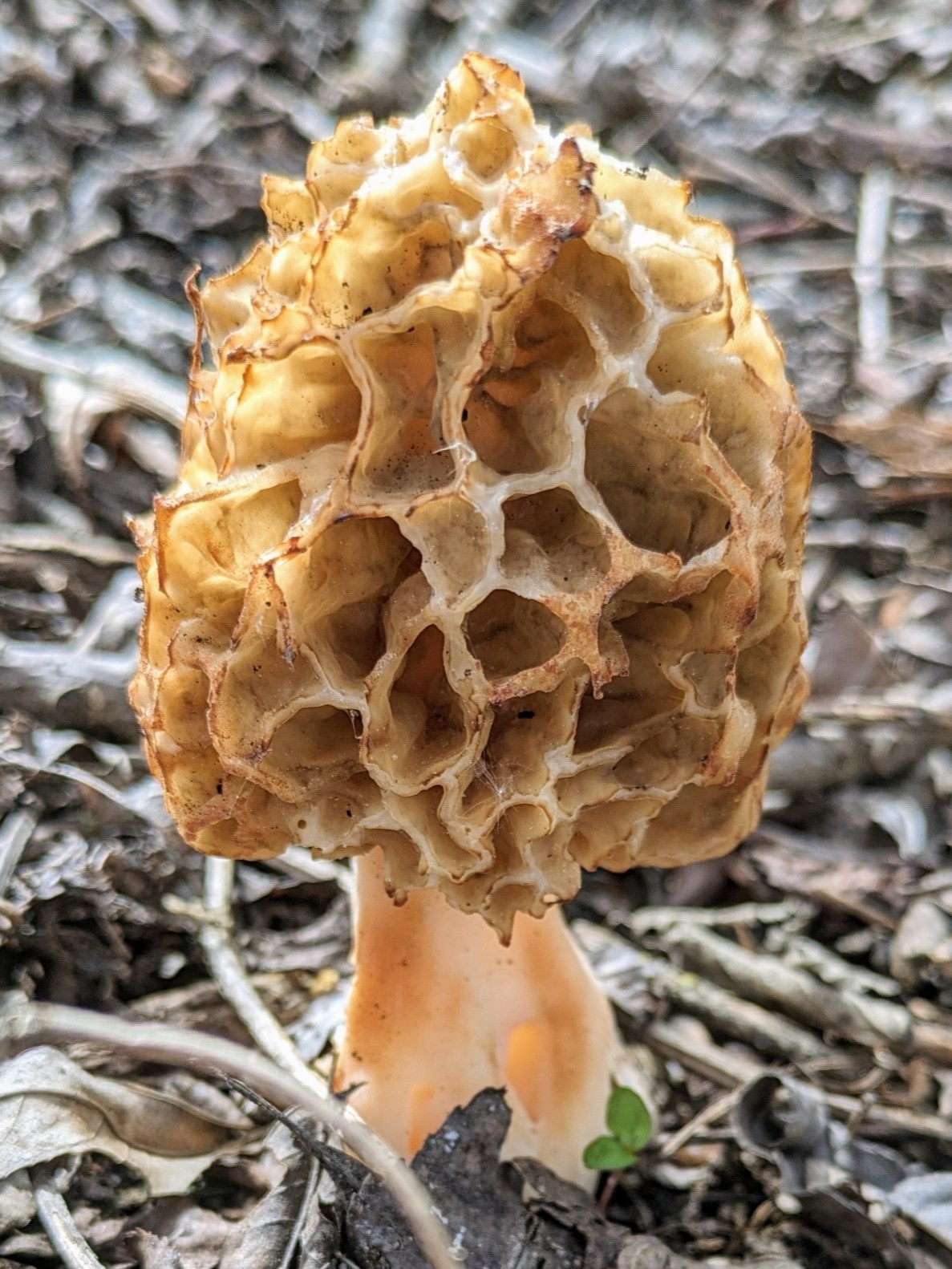
Common Morel
Morels in Cream Sauce on Toast
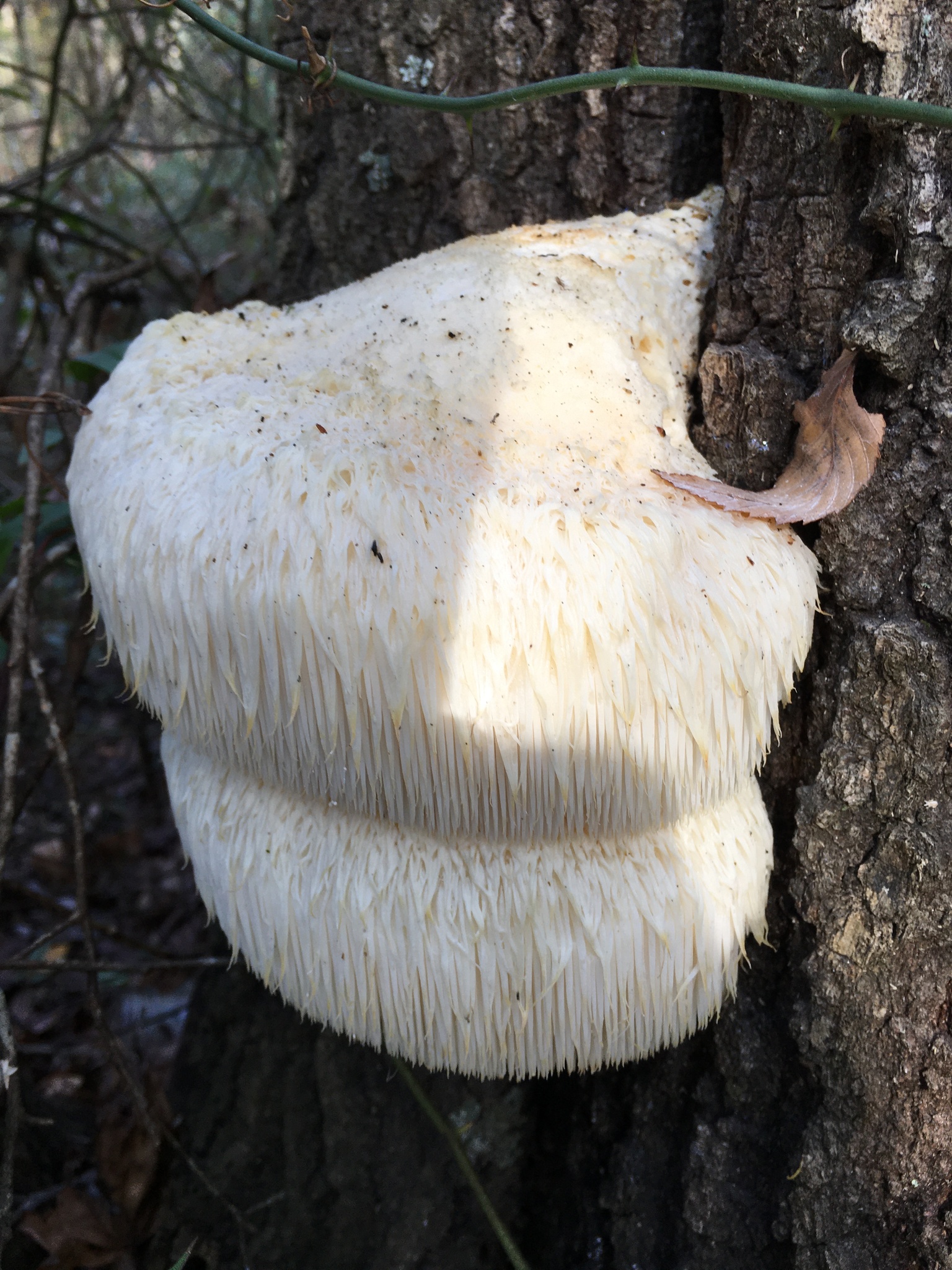
Lion's Mane
Lion's Mane 'Crab Cakes'
Featured Species
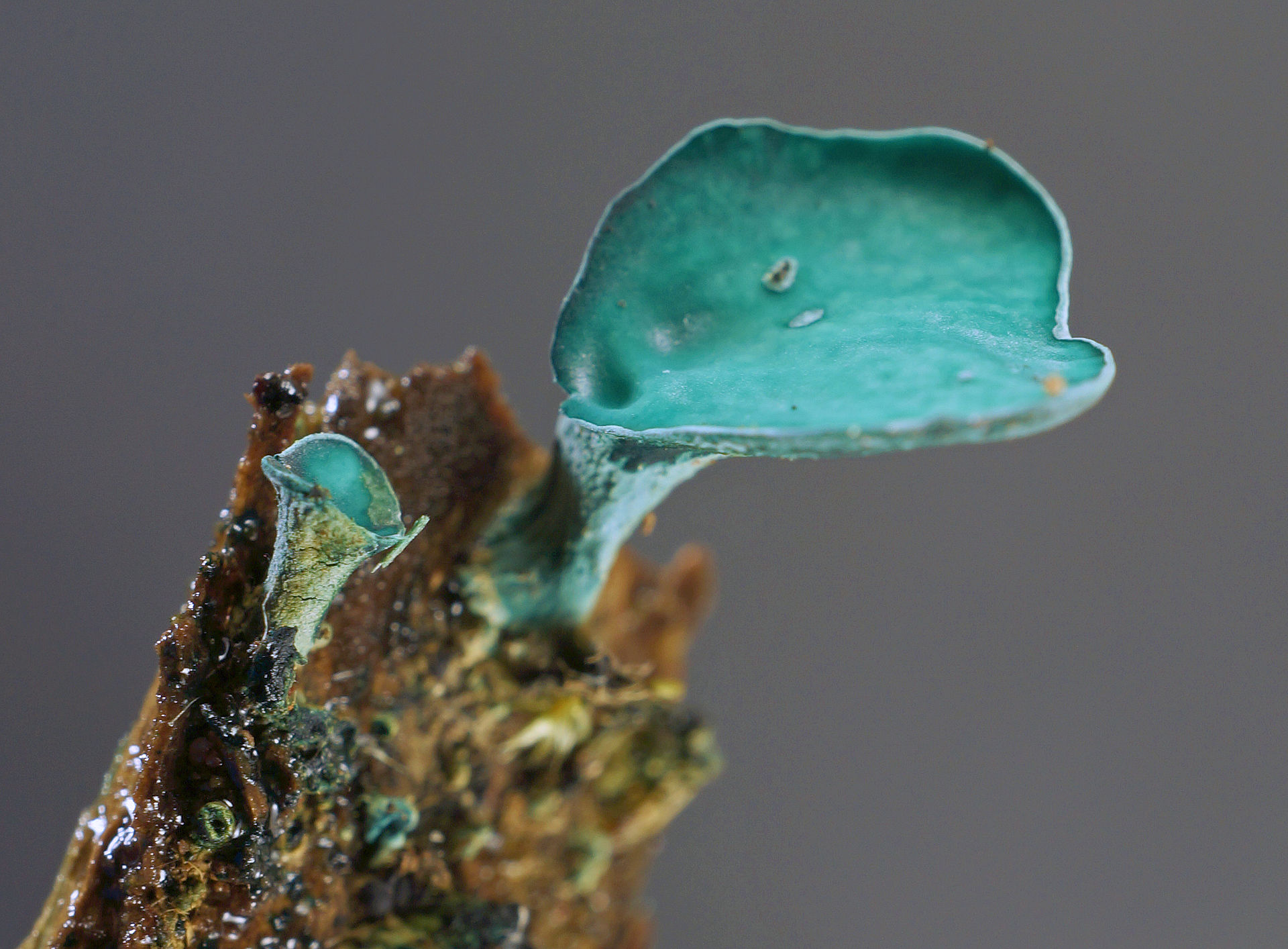
Green Elfcup
Chlorociboria aeruginascens
A tiny, stunning turquoise cup fungus whose real artistry happens inside the wood, not on its surface. Chlorociboria aeruginascens stains dead hardwood a vivid blue-green color that has been prized in decorative woodworking since the Italian Renaissance. The fruiting bodies are rare to see; the stained wood is everywhere.
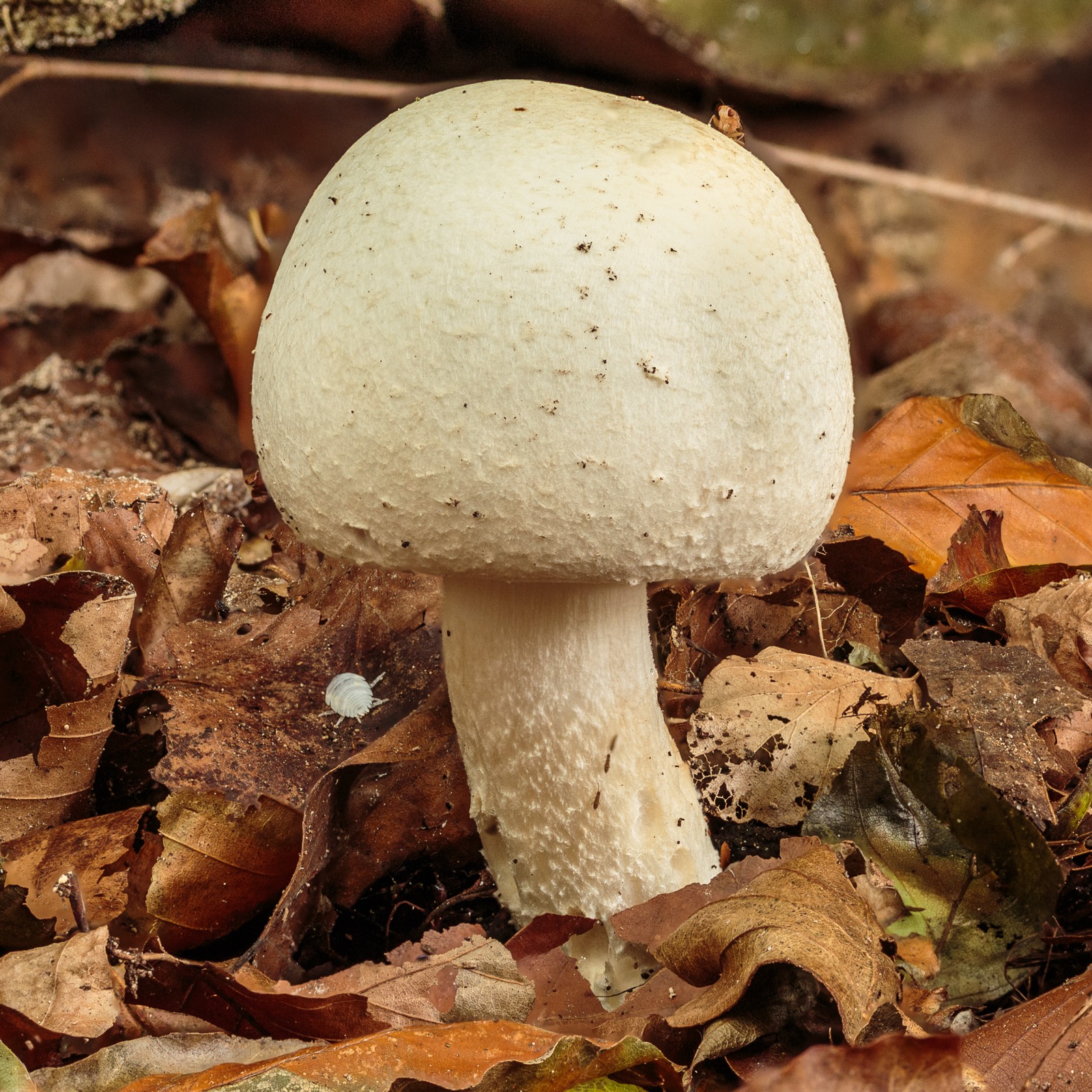
Horse Mushroom
Agaricus arvensis
A big, handsome meadow mushroom with one standout feature: a sweet anise-almond smell that hits you the moment you pick it up. Agaricus arvensis is one of the finest wild Agaricus species — larger than the common field mushroom, more flavorful, and reliably identifiable by its distinctive scent. Just make sure you know the difference between this and the toxic Yellow Stainer.
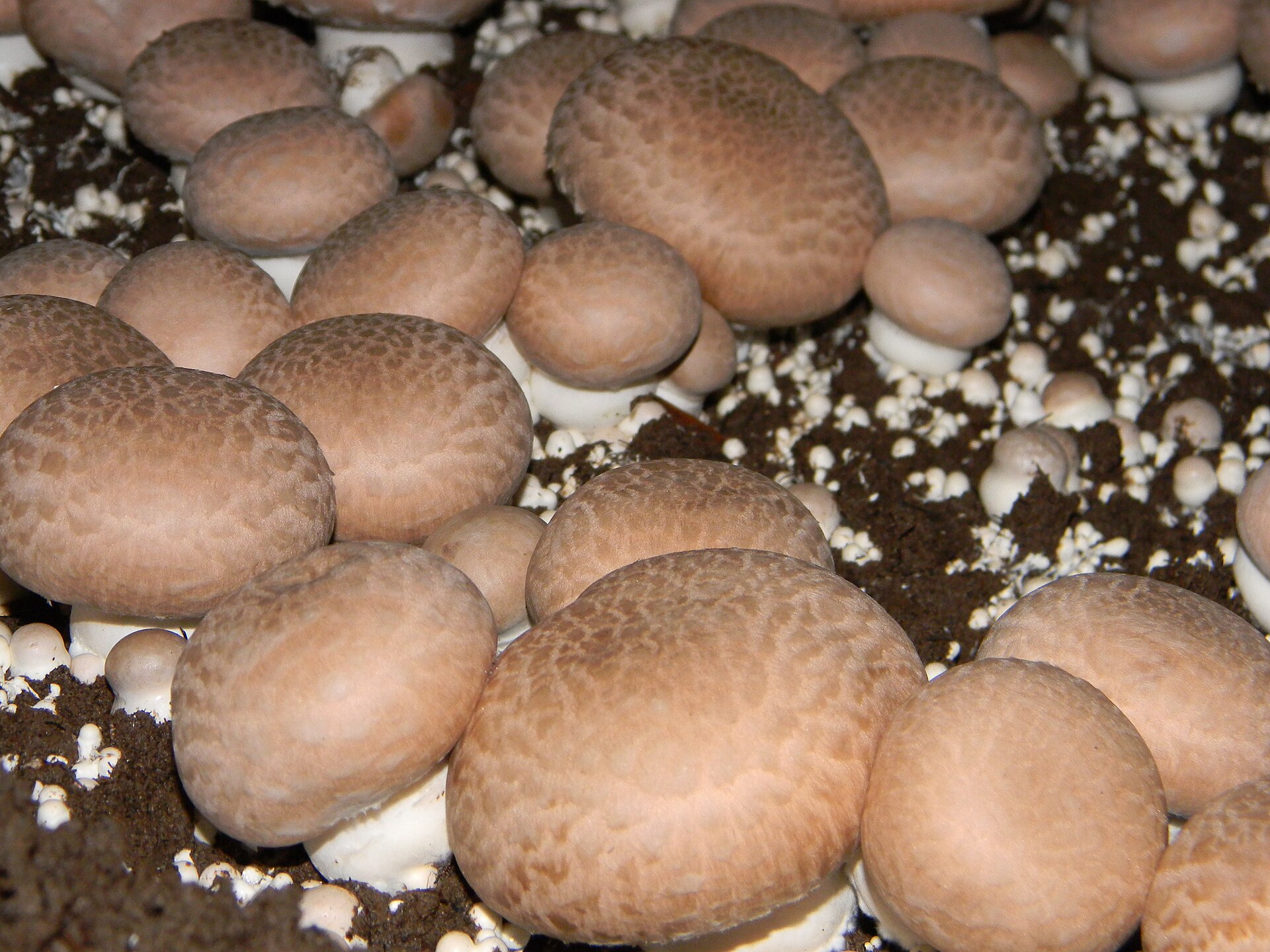
Button Mushroom
Agaricus bisporus
The single most cultivated mushroom species on Earth, responsible for roughly 30% of global mushroom production. Button, cremini, and portobello are all the same species at different stages of maturity, a marketing trick that has fooled grocery shoppers for decades. In the wild, it is a rare grassland species from coastal California.
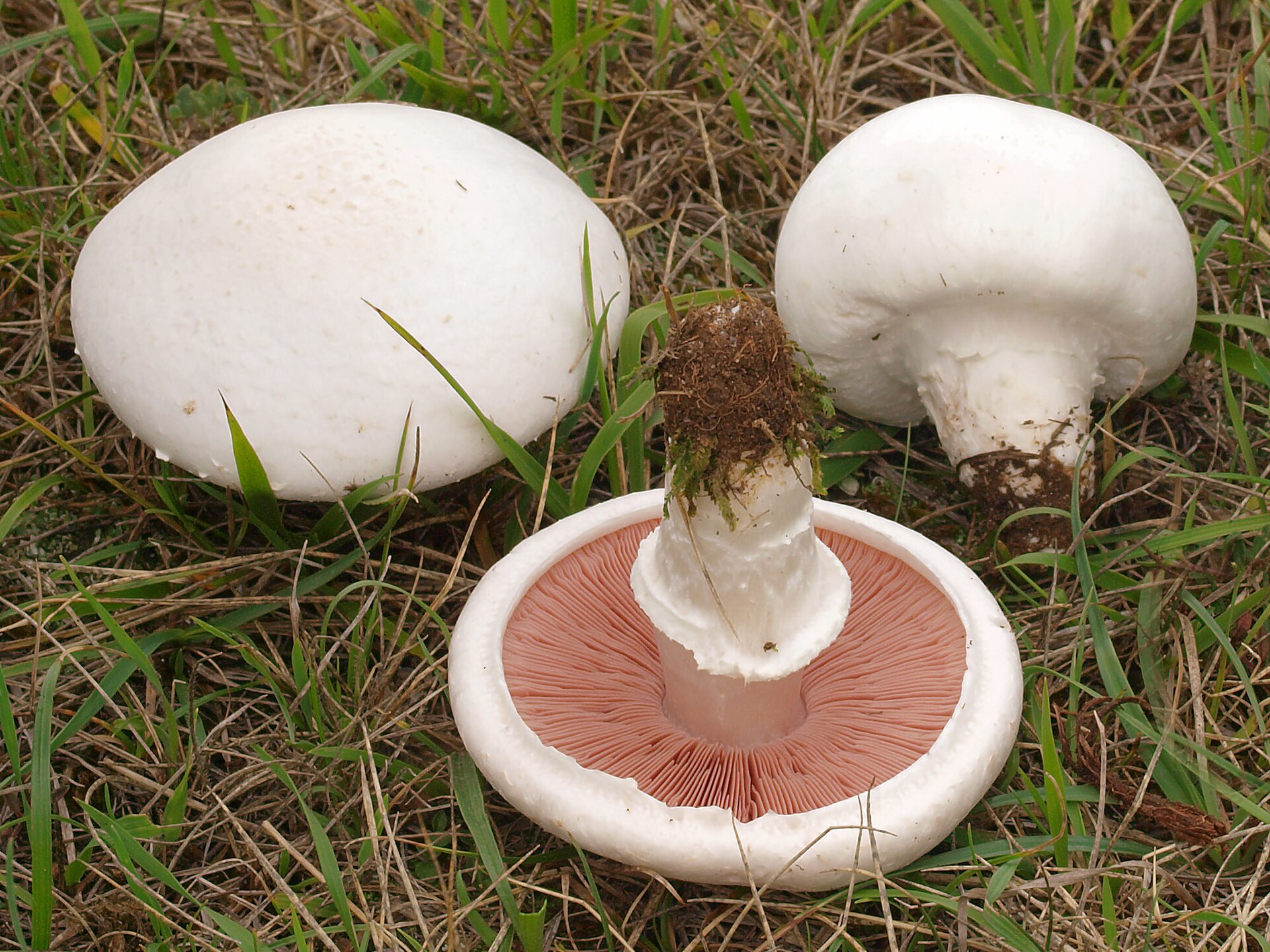
Field Mushroom
Agaricus campestris
The original wild mushroom — the one your grandparents picked from horse pastures before supermarkets existed. Agaricus campestris is the ancestor of the store-bought button mushroom, and it tastes better than anything wrapped in plastic. Just don't confuse a young one with a Death Cap, or your foraging trip becomes a hospital trip.
Yellow Stainer
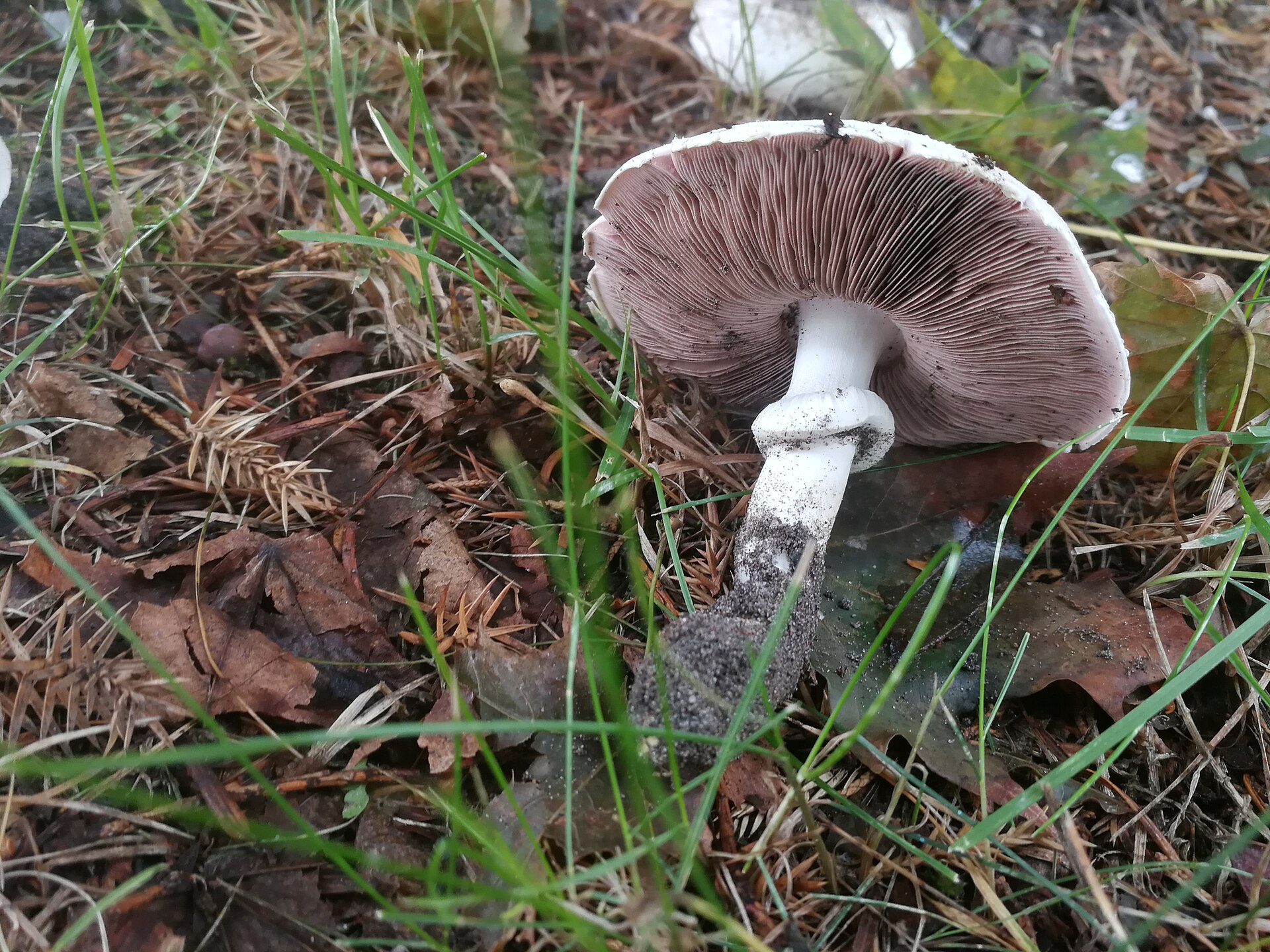
Agaricus xanthodermus
The most common cause of mushroom poisoning in the UK and Australia. The Yellow Stainer is a wolf in sheep's clothing — it looks almost exactly like an edible field mushroom, but scratch the cap or slice the base and it stains a vivid chrome-yellow. Cook it and your kitchen fills with a nauseating chemical stink. Eat it and you'll spend the next 12 hours regretting every life choice that led you to that moment.
Spring Fieldcap
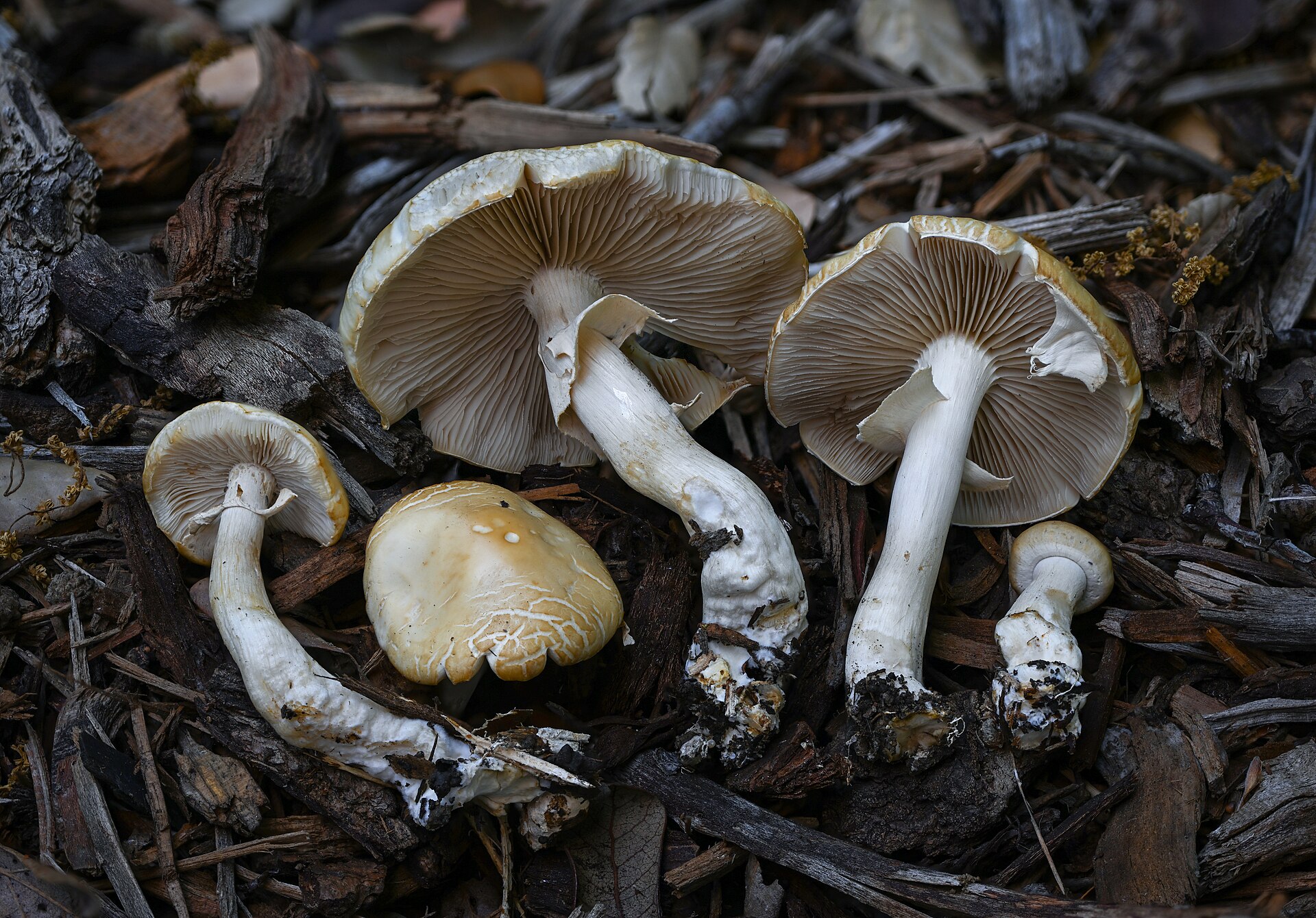
Agrocybe praecox
One of the first mushrooms to appear each spring, fruiting on lawns, garden paths, wood chip beds, and disturbed ground across the temperate world. An edible species with a mild flavor, though rarely collected because it is small and not well known. Sometimes confused with more dangerous small brown mushrooms.
Why Orangutany
Millions of observations
Our ML models are trained on millions of verified mushroom observations from research-grade datasets worldwide. Not stock photos — real field data.
Expert-grade accuracy
Every species page is written with identification precision in mind — cap, gills, stem, spore print, bruising, habitat, season, and dangerous look-alikes.
Safety first, always
We flag every toxic look-alike, every deadly cousin, every edge case. Because the cost of a wrong ID isn't a bad meal — it's a hospital visit.
Orangutany is a Canadian company building the mushroom identification experience that foragers, mycologists, and the wild-mushroom curious actually deserve. No clutter, no ads, no guesswork.