Those Mushrooms in Your Yard: What They Are and Whether to Panic
By Priya Sharma · Orangutany
You woke up, looked at your lawn, and there's a circle of mushrooms that definitely wasn't there yesterday. Your first thought: is this going to kill my dog? Your second thought: should I call someone? Relax. Let me walk you through this.
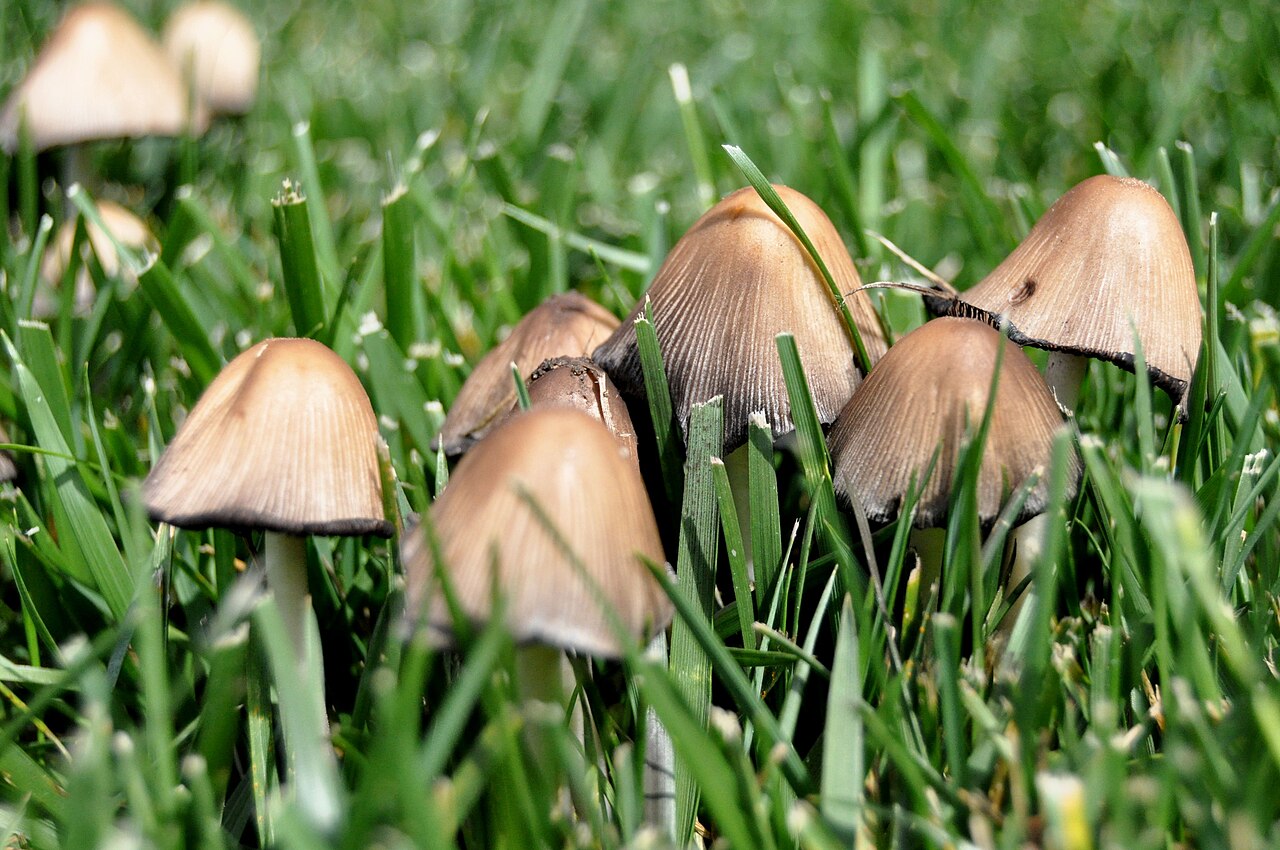
Why Mushrooms Suddenly Appear in Your Yard
Here's the deal: mushrooms don't just show up out of nowhere. The fungus is already living in your soil; it has been for months or even years. What you see popping up on the surface is the fruiting body, which is basically the mushroom's way of spreading spores. The real organism, the mycelium, is a web of threads running through the dirt underneath your grass.
So why now? Rain plus warm temperatures equals fruiting. A couple days of steady rain in late summer or early fall and suddenly every lawn on your block has mushrooms. It's completely normal. It doesn't mean your yard is sick or that something's wrong with your soil.
In fact, it means the opposite. Those mushrooms are your lawn's digestive system. They're breaking down dead roots, old mulch, buried wood, all the organic matter that would otherwise just sit there. They're composting for free. Your soil is healthier because they're there.
The Most Common Yard Mushrooms
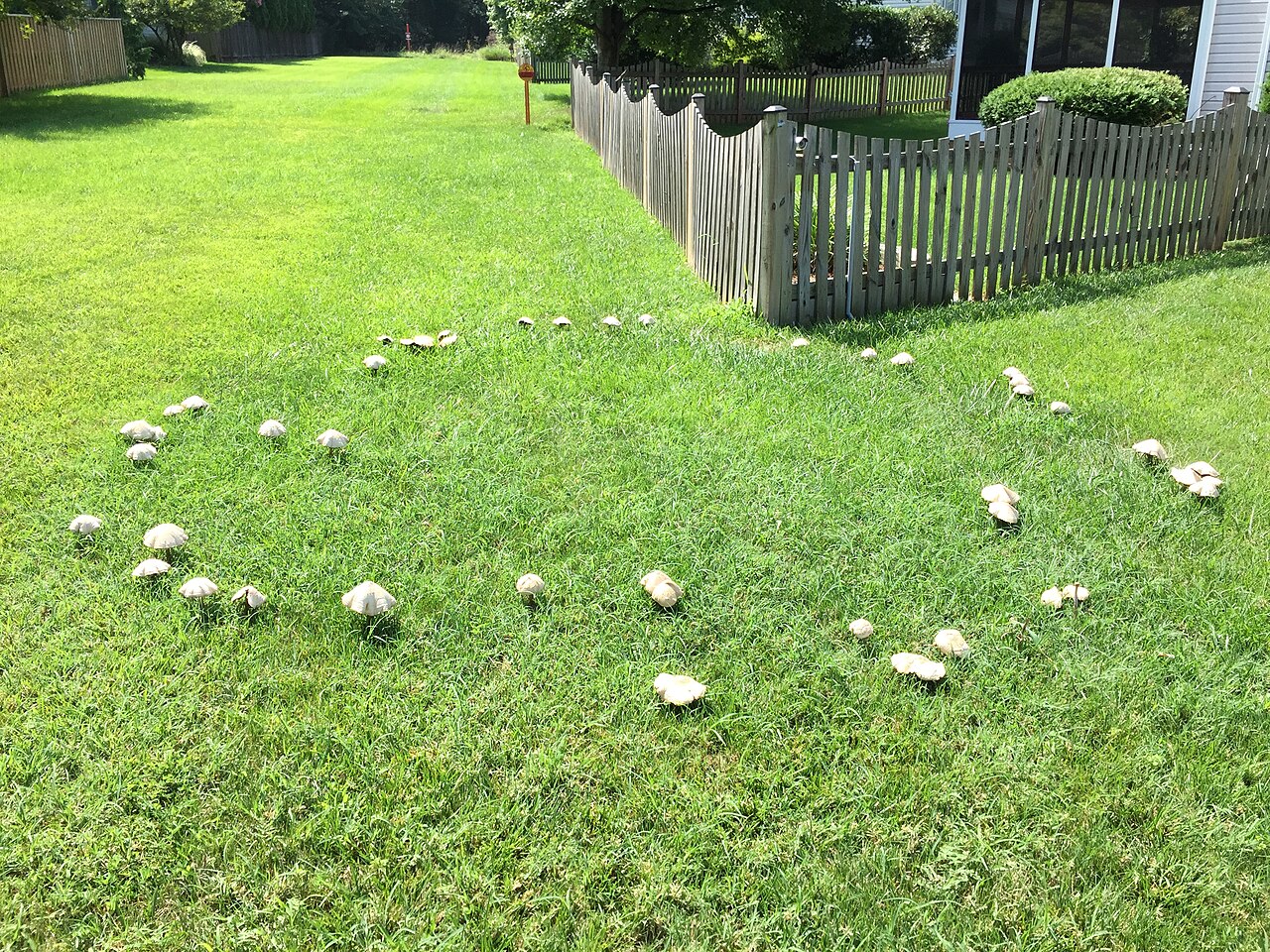
Fairy Ring Mushrooms (Marasmius oreades)
These are the ones that form those eerie circles in your grass. People used to think fairies danced there at night, hence the name. The circle expands outward each year as the mycelium grows. They're actually edible and pretty tasty, but real talk: do not eat mushrooms from a lawn that's been treated with herbicides or pesticides. The mushroom absorbs whatever's in the soil. If your neighbor sprays their lawn, yours probably has chemical drift too.
Ink Caps (Coprinopsis atramentaria)
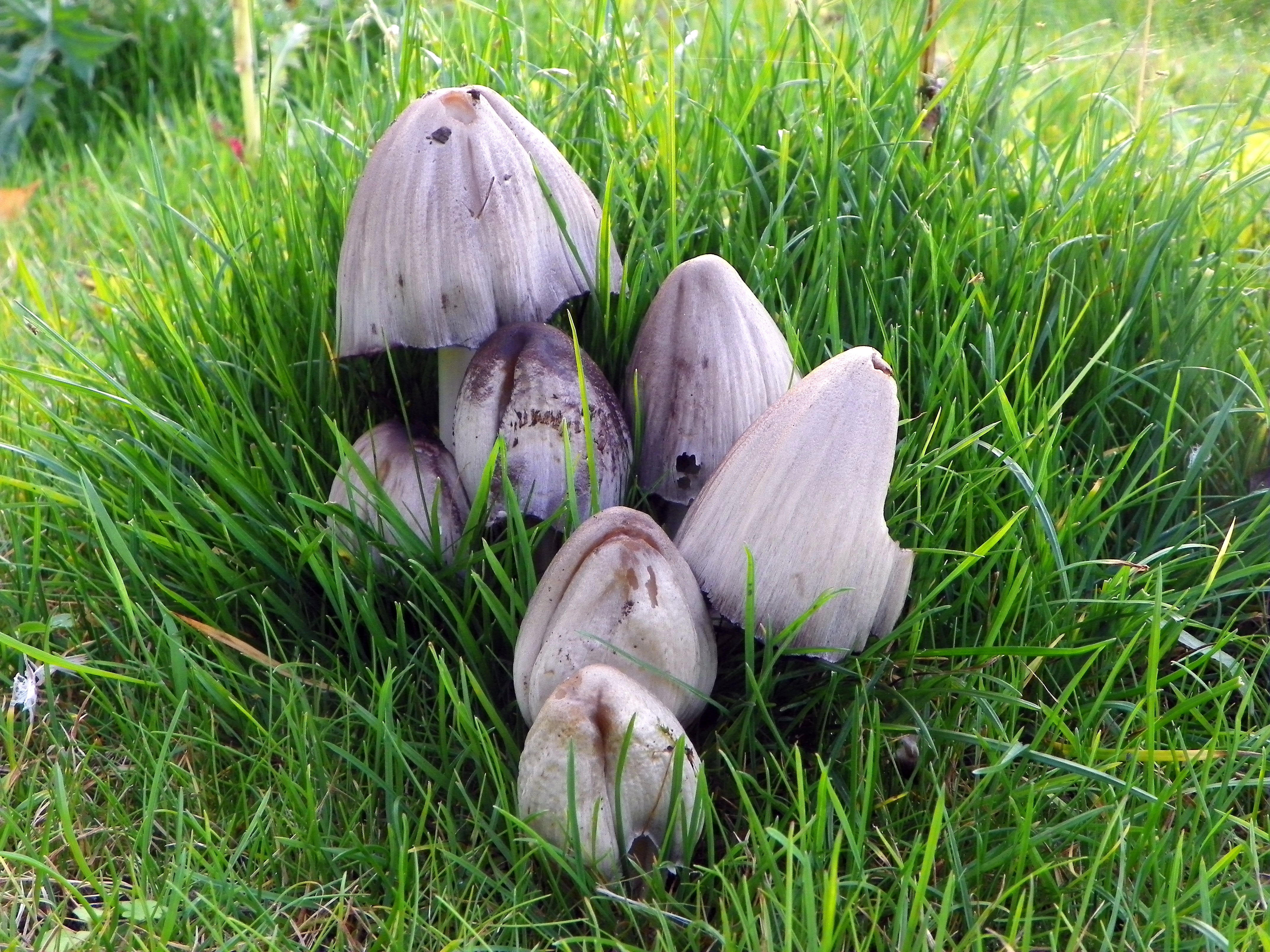
You know these ones: they're the mushrooms that melt into black goo within a few hours of popping up. It's called autodigestion, and it's how they spread their spores. Gross but fascinating. So here's the thing about ink caps: they contain a compound called coprine which is fine on its own, but if you drink alcohol within a couple days of eating them, you will have a very bad time. Nausea, vomiting, heart palpitations. They used to be prescribed as an alcohol deterrent, which tells you everything you need to know.
Shaggy Mane (Coprinus comatus)

The shaggy mane looks like a lawyer's wig sitting in your lawn. Tall, white, covered in shaggy scales that curl outward. It's actually one of the better edible mushrooms out there , delicate, almost buttery when sautéed. The catch is you have to eat them within hours of picking, because they start self-digesting into ink just like their ink cap cousins. When they're young and still white and cylindrical, they're choice. Once the edges start turning black, leave them.
Common Puffballs (Lycoperdon perlatum)
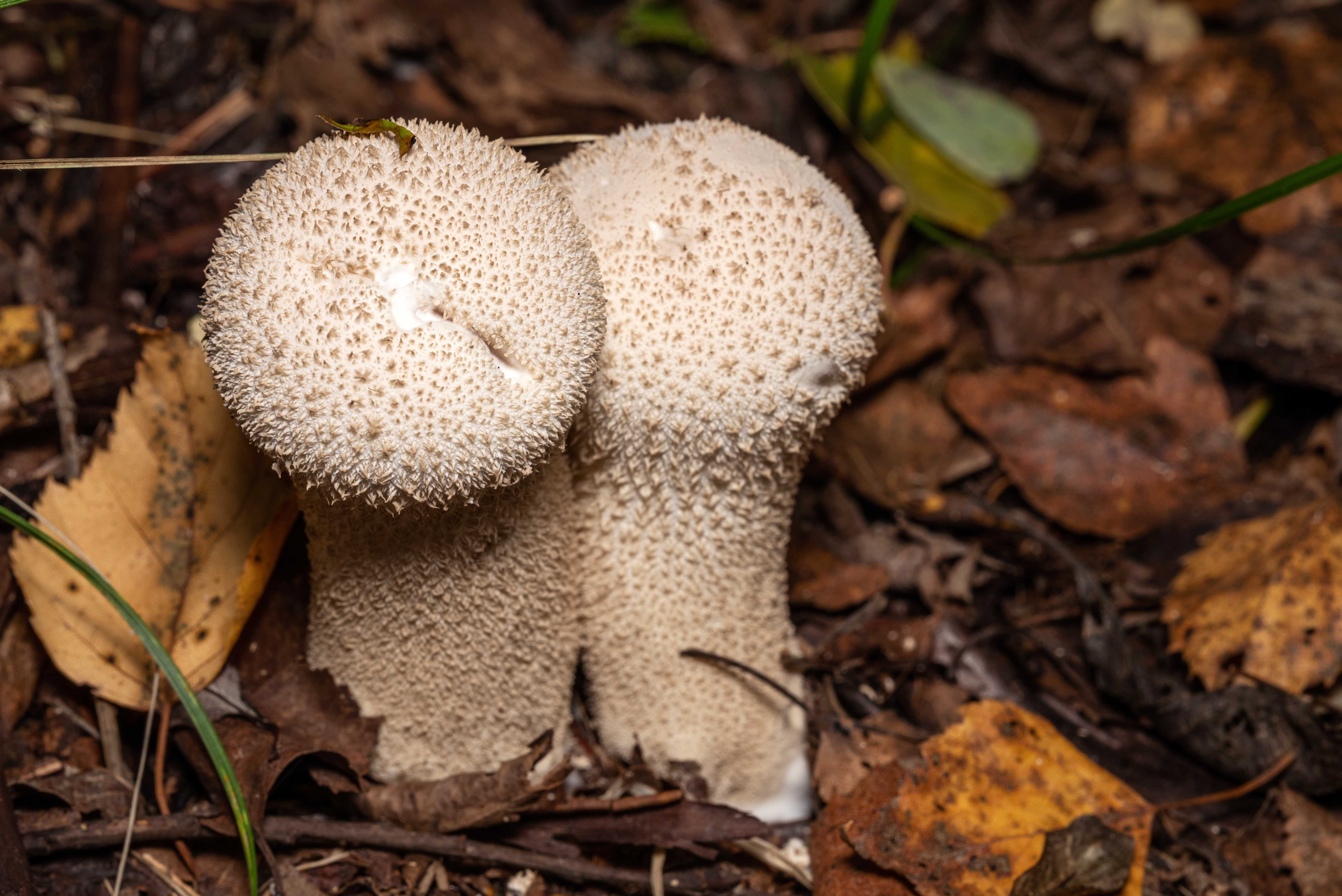
Little white balls sitting in your grass. Kids love stomping on them because they puff out a cloud of brown spores, which, honestly, is pretty satisfying. Puffballs are edible when they're young and the inside is pure white. If you slice one open and it's yellow, brown, or has any internal structure that looks like a tiny mushroom forming, don't eat it. That's either an old puffball or, worst case, a young Amanita egg, which is a very different situation.
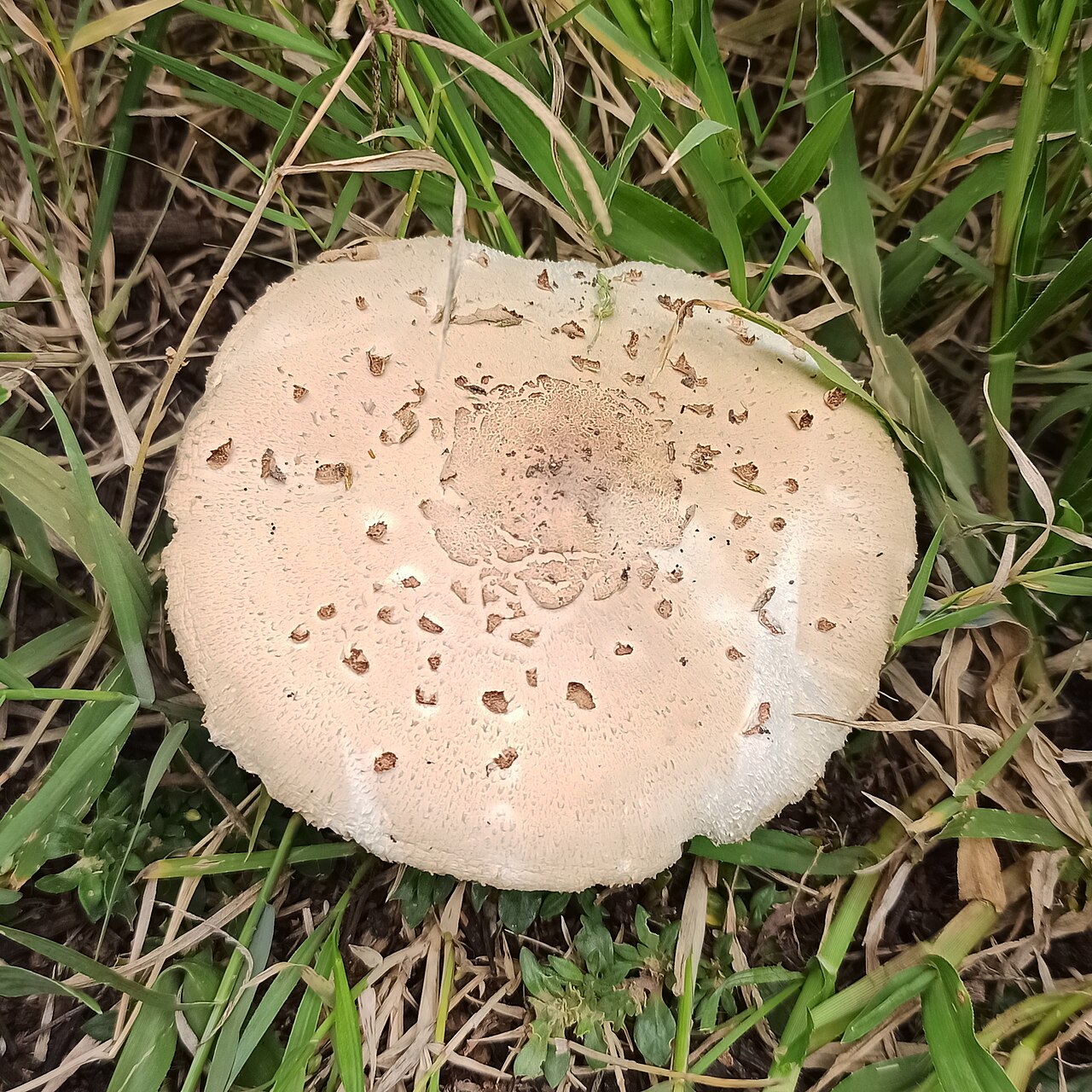
The Green-Spored Parasol (Chlorophyllum molybdites)
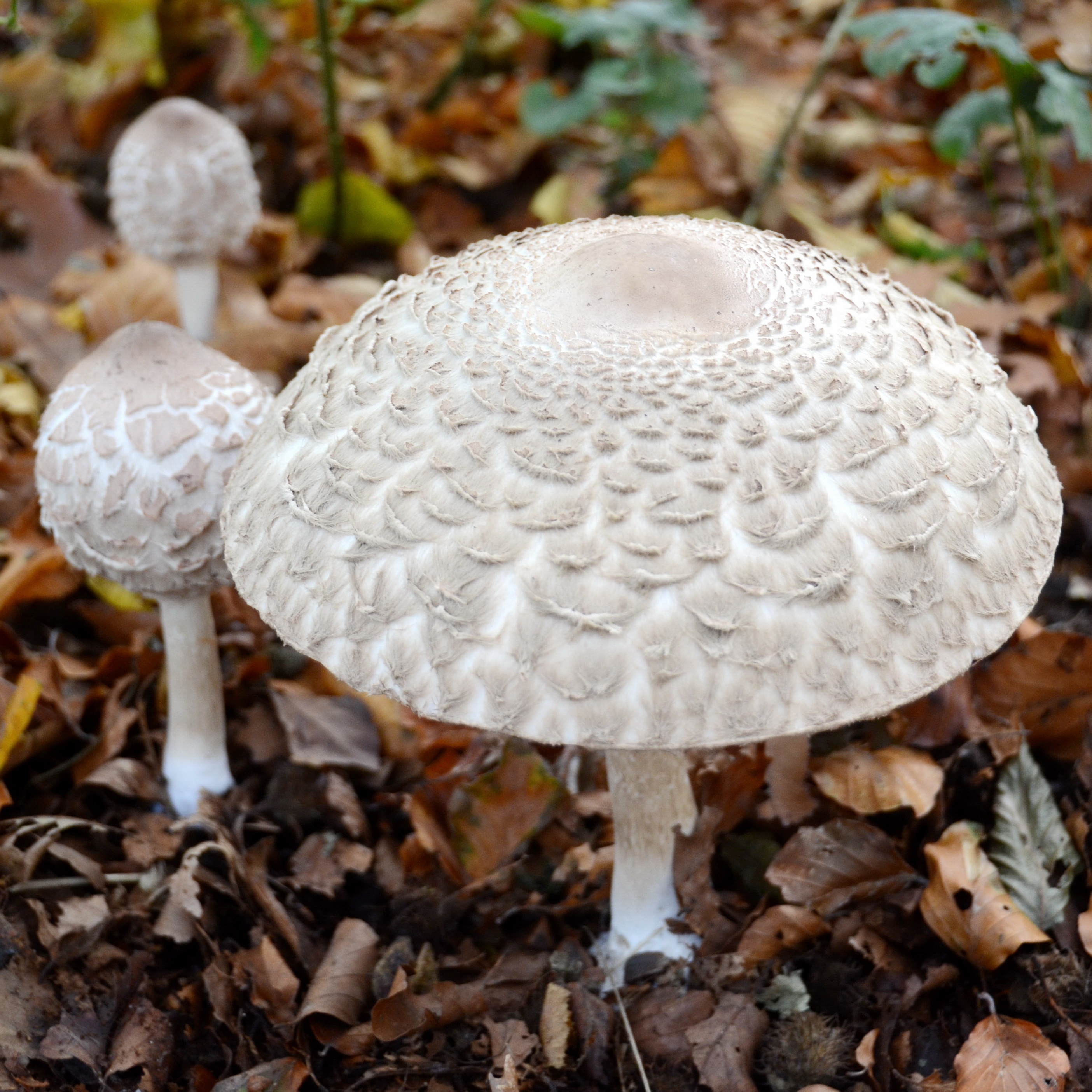
This one has earned the nickname "the vomiter" and it's the most common cause of mushroom poisoning in North America. It looks almost exactly like an edible parasol mushroom, which is the problem. Big, white, impressive-looking thing growing right in the middle of your lawn. The giveaway is the spore print: take the cap off, set it on dark paper for a few hours, and if the print is greenish, that's your answer. There are real stories of neighborhood BBQs where someone picked these thinking they were parasols, cooked them up, and sent half the party to the emergency room. Nobody died, but everyone wished they had.
Yellow Houseplant Mushroom (Leucocoprinus birnbaumii)
If you've ever found a bright, almost neon yellow mushroom popping up in a houseplant, this is it. They're incredibly common in potted plant soil, especially if you use commercial potting mix. They're mildly toxic, not going to kill you, but will definitely give you a stomachache if you eat them. They're not hurting your plant either. The mycelium is feeding on the organic matter in the soil. You can pick them out if they bother you, but they'll keep coming back until the food source runs out.
Stinkhorns
Oh, stinkhorns. They smell like something died in your mulch bed. They look... well, they look obscene. There's no polite way to describe a mature stinkhorn. They're covered in a dark, slimy spore mass that attracts flies, which then carry the spores elsewhere. So the whole strategy is: smell terrible, look terrible, let insects do the work. Despite all of that, they are completely harmless. Some people even eat the "eggs" before they emerge; they're considered a delicacy in parts of China. But honestly, most people just want to know how to make them stop appearing in their flower beds. The answer is: you can't, really. They're eating the mulch.
Can My Dog Eat Yard Mushrooms?

Short answer: assume no. Assume every mushroom in your yard is toxic to your dog until you know otherwise.
Real talk: most yard mushrooms won't kill a dog. The majority will cause some GI upset at worst. But "most" is doing a lot of heavy lifting in that sentence. Amanita species occasionally pop up in residential yards, especially under imported trees. And Galerina marginata , a small, boring-looking brown mushroom, contains the same amatoxins as the Death Cap and grows in mulch beds and wood chip paths all over North America.
There was a post on Reddit from a dog owner in Texas whose lab ate mushrooms from a mulch bed in their backyard. Emergency vet visit, IV fluids, activated charcoal, liver monitoring. $2,800 total. The dog survived, but the owner said the vet told them another few hours and it would have been a different story.
Another case from a forum: a puppy in the Pacific Northwest ate a Galerina from the yard. By the time the owners noticed symptoms it was too late, the liver damage was already done. The puppy didn't make it.
If your dog eats a yard mushroom: grab a sample, take a photo, call your vet or Poison Control. Don't wait for symptoms. By the time symptoms show up with amatoxin poisoning, the damage is already happening.
Should You Remove Them?
You can kick them over, mow them down, pick them out, and they'll come back. The mushrooms you see are just the temporary fruiting bodies. The actual organism is the mycelium network underground, and to get rid of that you'd have to remove all the organic matter it's feeding on. We're talking about digging up your entire lawn and replacing the soil, which, obviously, nobody's going to do.
They're not hurting anything. They're not killing your grass (fairy rings can cause some browning, but that's about it). They're not spreading disease. They're part of a healthy ecosystem.
That said, if you have dogs or small kids who put everything in their mouths, just go out and pick them before anyone can get to them. A quick walk around the yard after rain takes two minutes. It's not a permanent solution but it's the practical one.
The One Yard Mushroom You Should Actually Worry About
If you live in an area with European oaks (and that includes huge swaths of California, the Pacific Northwest, and parts of the East Coast) you need to know about the Death Cap (Amanita phalloides). It was introduced to North America on the roots of imported European oaks and has been spreading steadily ever since.
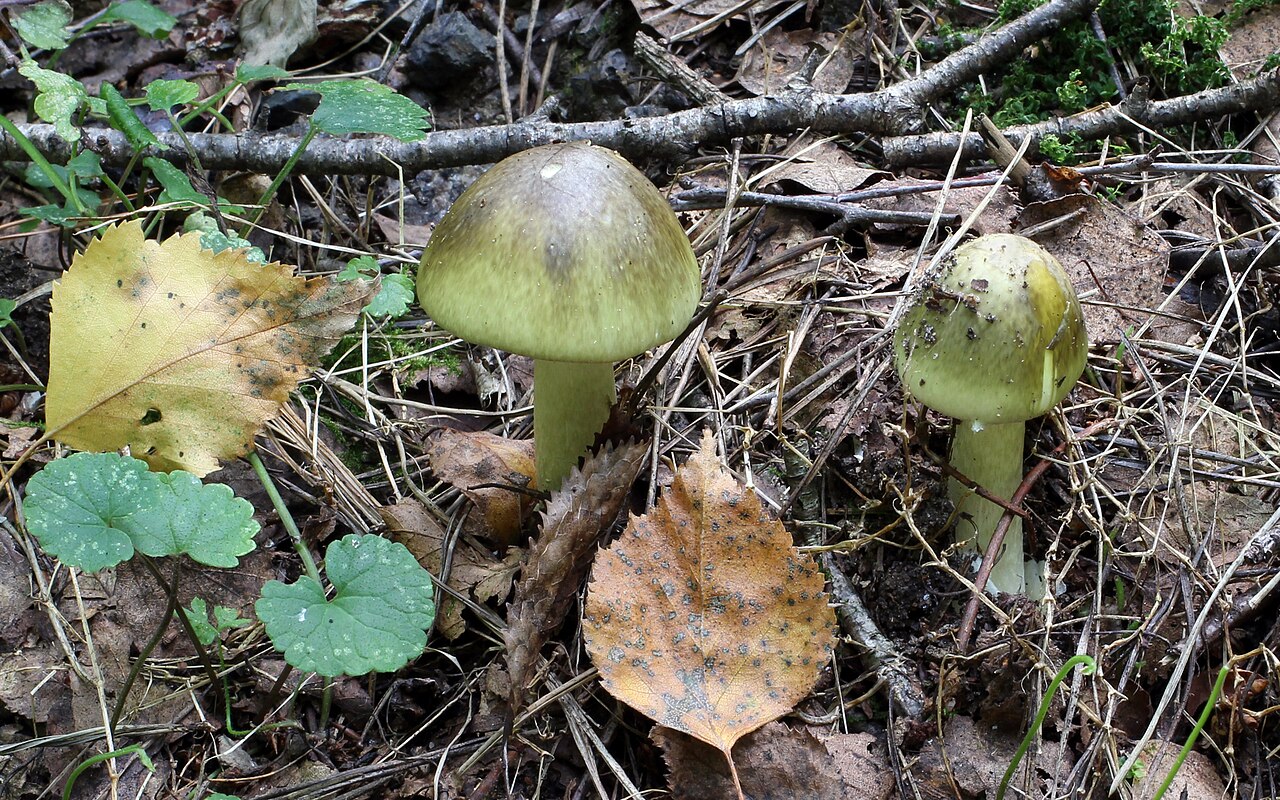
It looks like a perfectly normal white-to-greenish mushroom. No bright warning colors, no foul smell, nothing that screams "danger." It actually smells pleasant when young. One mushroom contains enough amatoxin to kill an adult human. It kills people in California yards almost every year, often immigrants who mistake it for edible species from their home countries.
If you have European oaks in or near your yard, learn what this mushroom looks like. It's the one that actually matters.
Your lawn mushrooms are almost certainly harmless. But "almost certainly" isn't the same as "definitely." Learn the dangerous ones, keep an eye on pets and kids, and otherwise let them be. They're doing your yard a favor.