Mushroom Foraging by Season: What to Find Each Month
By Priya Sharma · March 2026
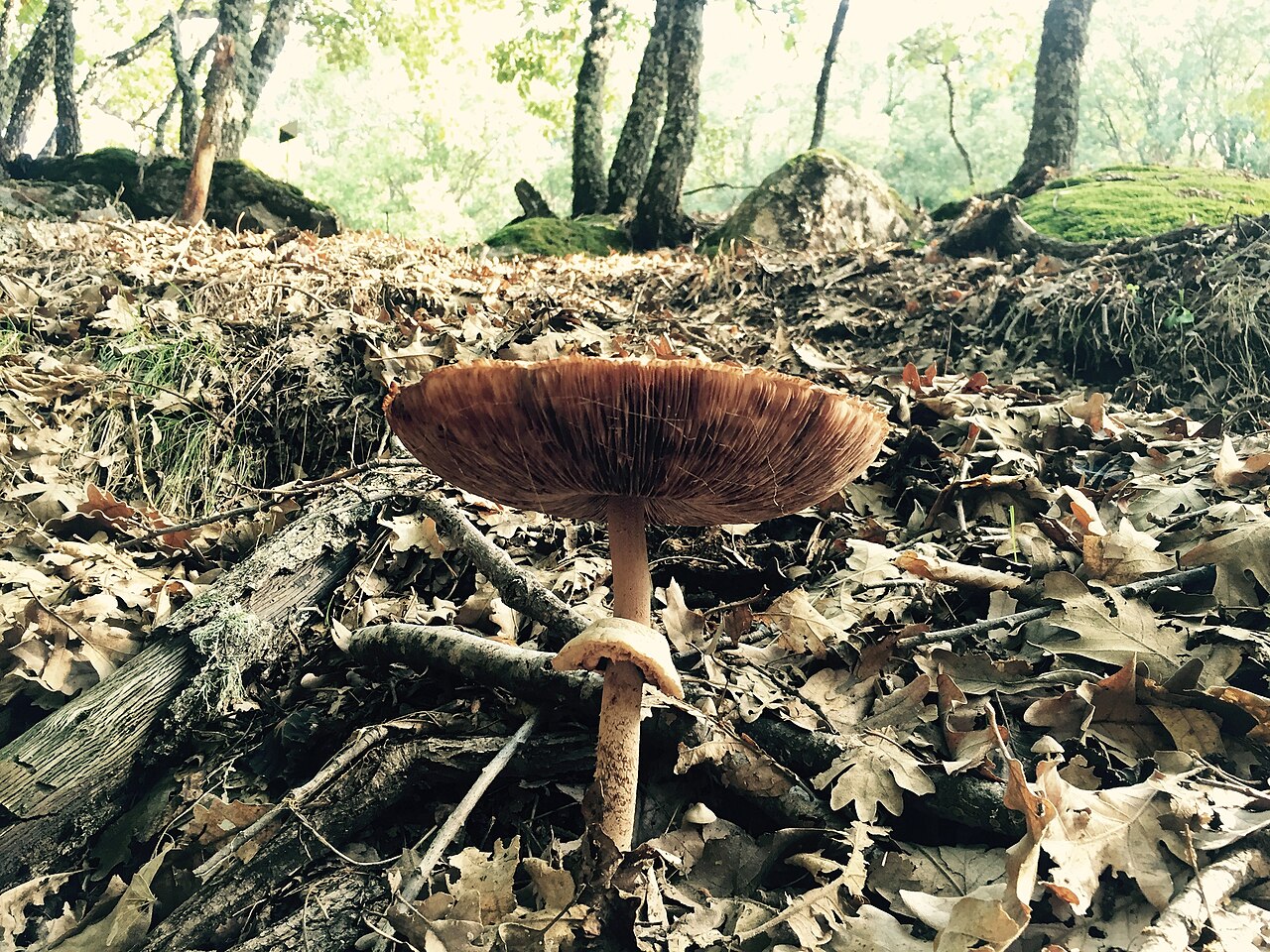
One of the first things you learn as a forager is that timing is everything. Show up two weeks early and there’s nothing. Two weeks late and the slugs got there first. Mushrooms don’t care about your schedule,they fruit when conditions are right, and your job is to be there when it happens.
Here’s a month-by-month breakdown of what to look for, where, and when,mostly for North America and Europe, but the general patterns hold across the Northern Hemisphere. Think of this as your foraging calendar. Pin it to your fridge.
Spring (March – May)
March
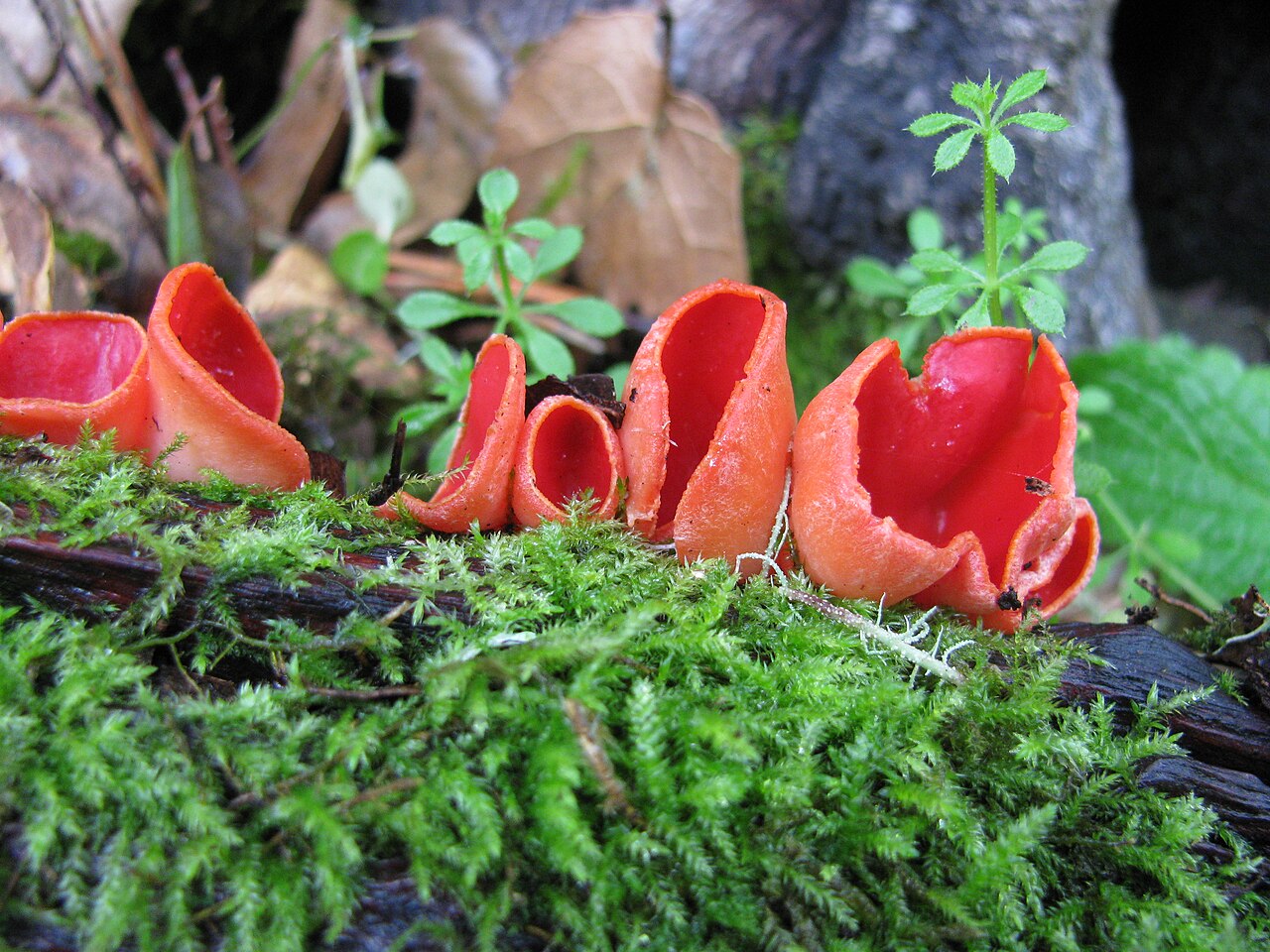
Still cold in most places, and there’s not a lot happening. But if you know where to look, scarlet elf cups (Sarcoscypha) are showing up in damp woodland,little bright red cups sitting on mossy sticks and fallen branches. They’re gorgeous but not great eating. More of a “oh, spring is coming” signal than a meal.
Wood ear mushrooms on elder trees are also fruiting now, and those actually are worth collecting,they rehydrate beautifully in soups and stir-fries. March is the month of patience. The forest is waking up, but slowly.
April
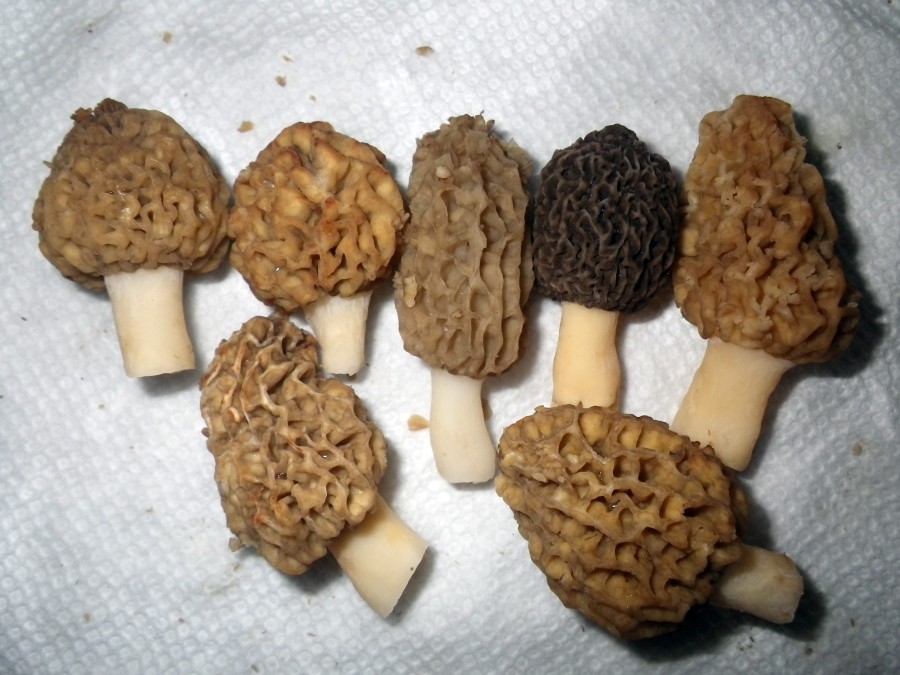
This is when morel season begins and the morel hunters lose their minds. Morchella esculenta ,the yellow morel,starts popping up in river bottoms, old orchards, and the edges of deciduous forests. Burn morels appear in areas that had wildfires the previous year, sometimes in absurd quantities.
The trigger is soil temperature hitting around 50°F. Serious morel hunters carry soil thermometers. That’s not a joke. In Europe, late April also brings St. George’s mushroom (Calocybe gambosa) in pastures and hedgerows,a solid, meaty mushroom that smells like fresh meal.
May
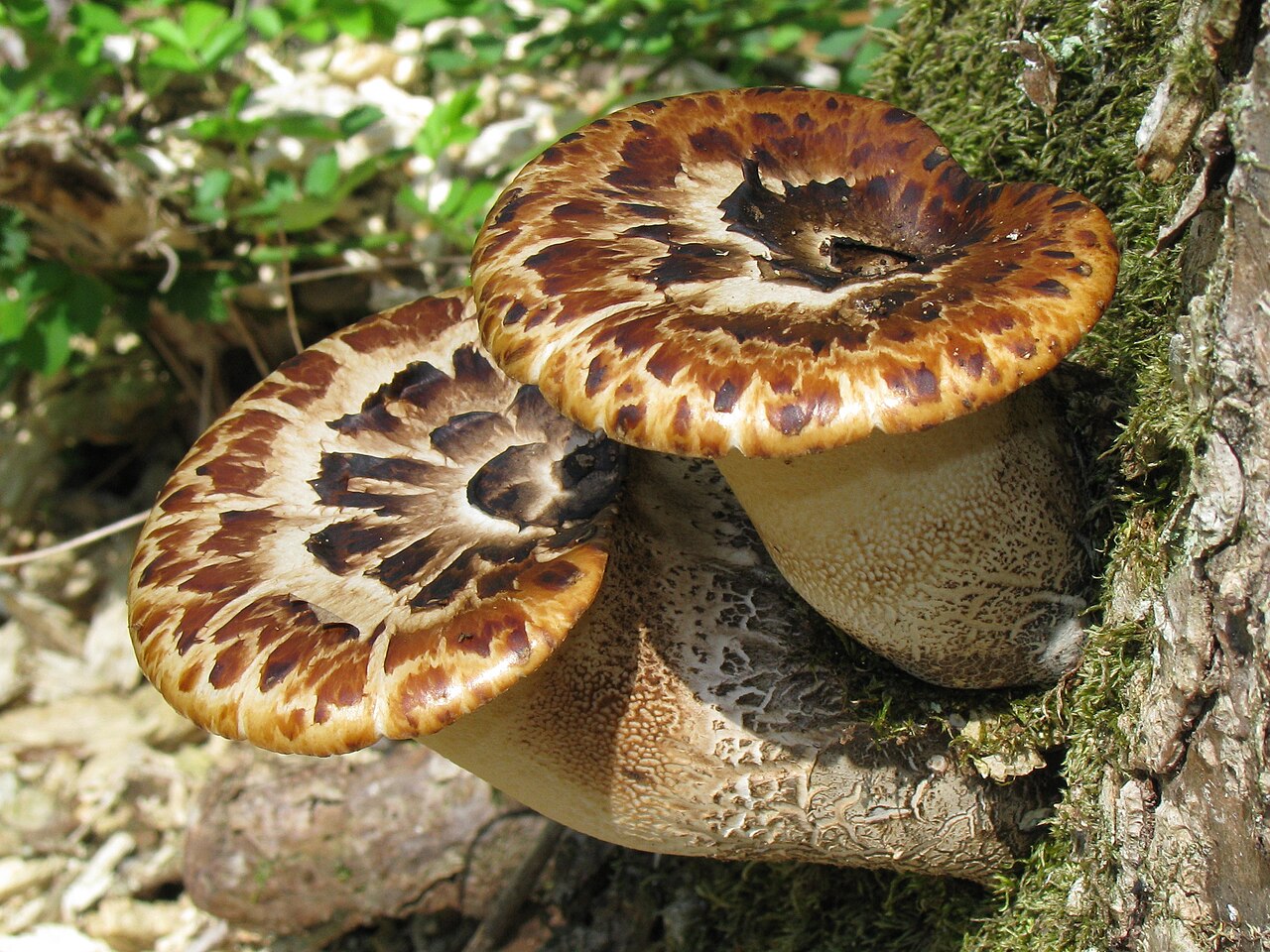
Peak morel season in the northern US and Canada. If you haven’t found yours yet, now’s the time, the window is closing. Dryad’s saddle (also called pheasant back) starts appearing on dead elms and other hardwoods. It’s best when very young and the edges are still tender.
In the southern states, chicken of the woods is already fruiting on oaks and other hardwoods. Bright orange shelves on a dead tree,you can’t miss it.
Summer (June – August)
June
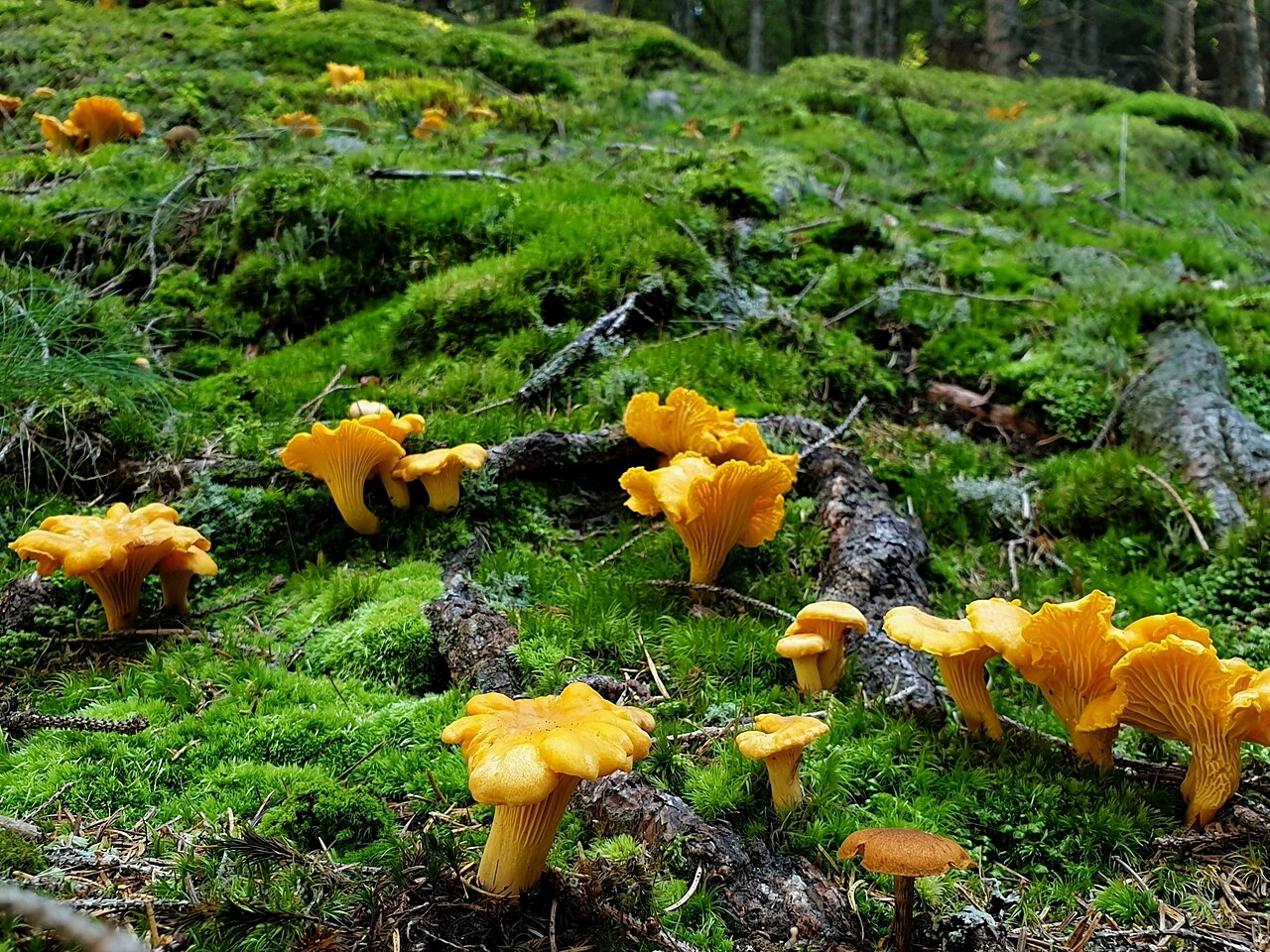
June is the month foragers start checking their spots. Chanterelles begin appearing in the southeast US and southern Europe, golden, funnel-shaped, smelling faintly of apricots. They’re mycorrhizal, which means they form partnerships with living trees, so they come back in the same spots year after year. For identification help, see MushroomExpert.com.
Early chicken of the woods is also going strong now. If you forage in hardwood forests, bring a bag,June can surprise you.
July
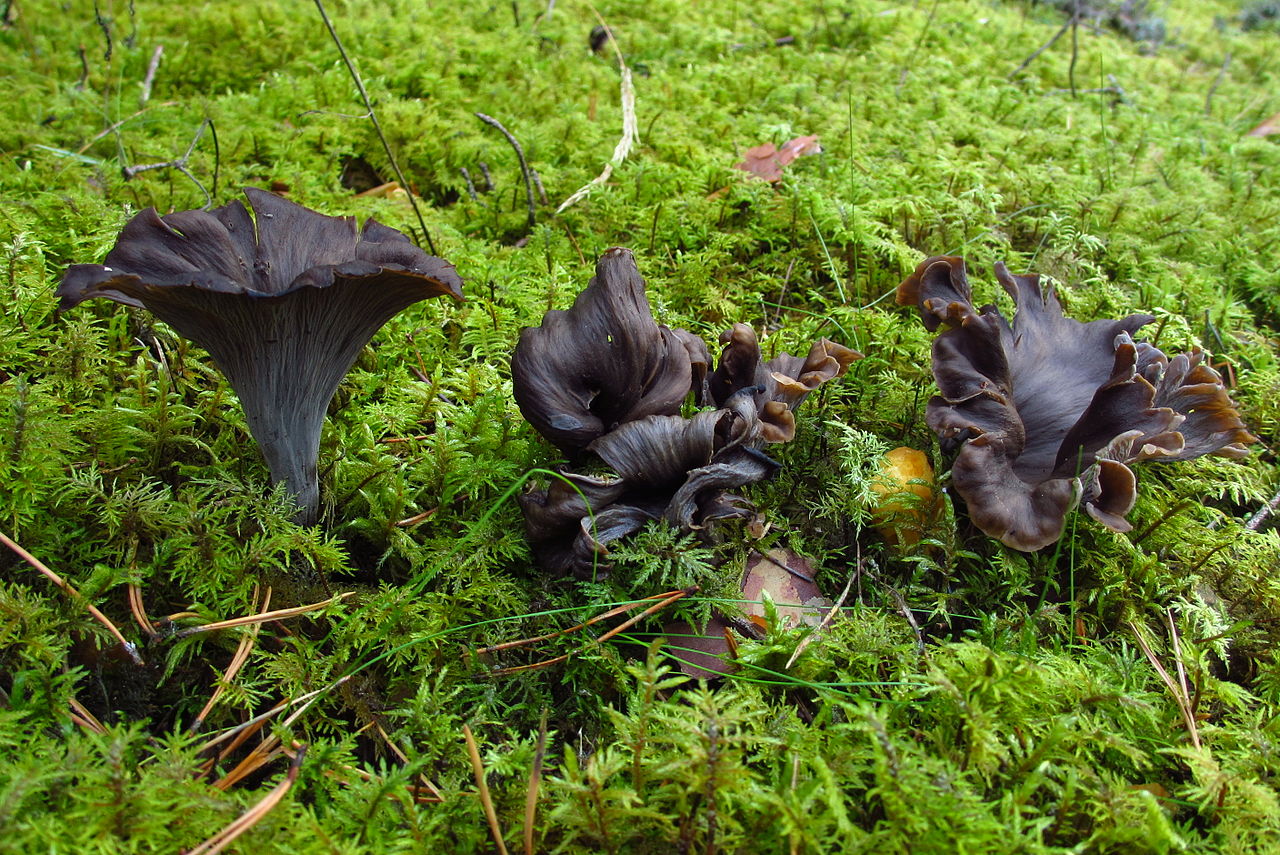
Peak chanterelle season across most of the Northern Hemisphere. Black trumpets are hiding in the leaf litter now too,they’re almost impossible to see until your eye learns the pattern, and then suddenly you see them everywhere.
Lobster mushrooms show up in the Pacific Northwest, which are actually a parasitic fungus that colonizes another mushroom and turns it bright red. In Europe, summer porcini are in season. July is a good month.
August
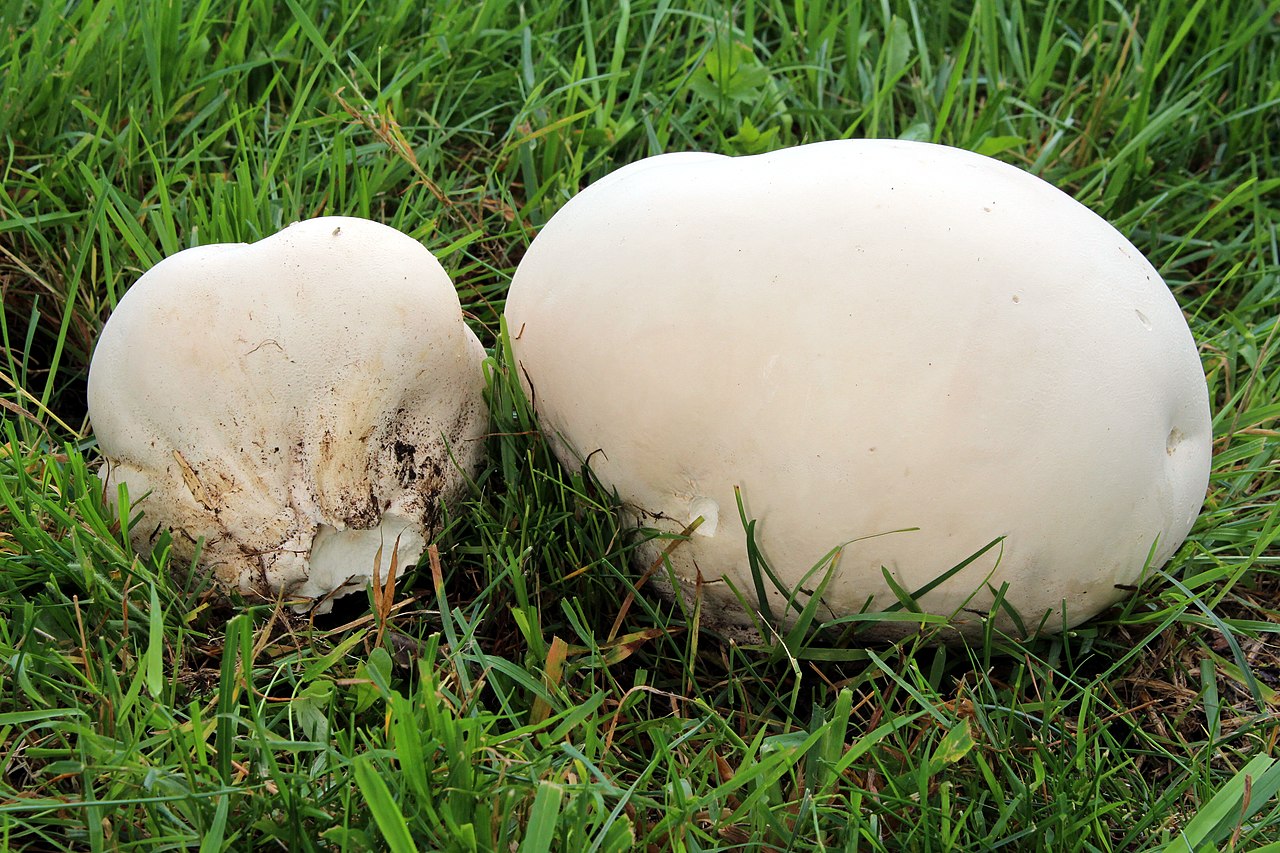
August is abundance month. Late chanterelles are still going. Hen of the woods (maitake) starts showing up at the base of oaks in late August, massive, layered clusters that can weigh 10+ pounds.
In European meadows, parasol mushrooms are standing tall in the grass, and giant puffballs the size of footballs are appearing in fields and along hedgerows. If you’ve never sliced a giant puffball into steaks and fried them in butter, you’re missing out.
Fall (September – November)
September
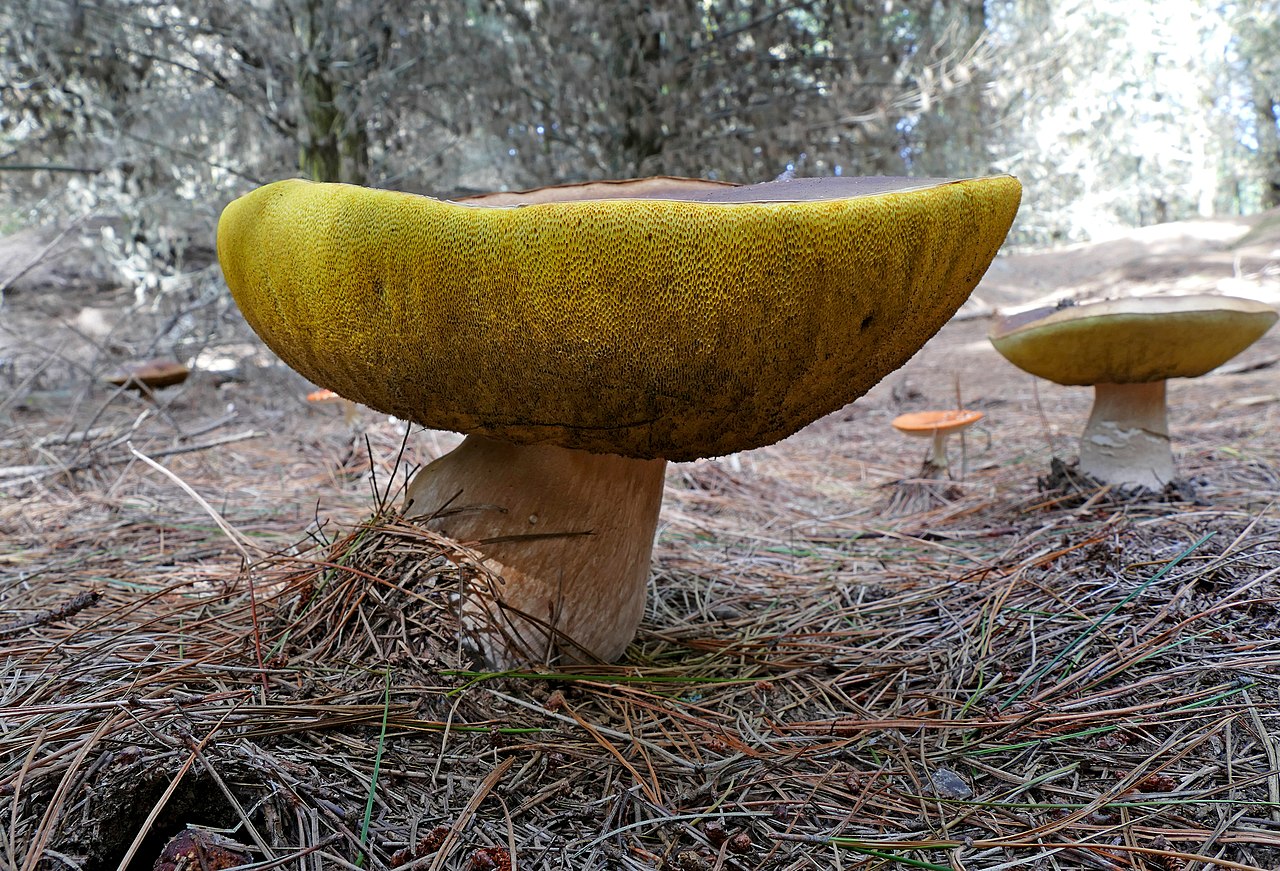
If you only forage one month a year, make it September. This is the best month, full stop. Porcini (king boletes) are at their peak,fat, firm, and hiding under spruce and pine in the mountains. Hen of the woods is peaking too.
In the Pacific Northwest, matsutake season begins,those spicy, aromatic mushrooms that sell for absurd prices in Japan. Honey mushrooms are absolutely everywhere, fruiting in massive clusters at the base of trees and stumps. September is overwhelming in the best possible way. You will find more than you can eat.
October
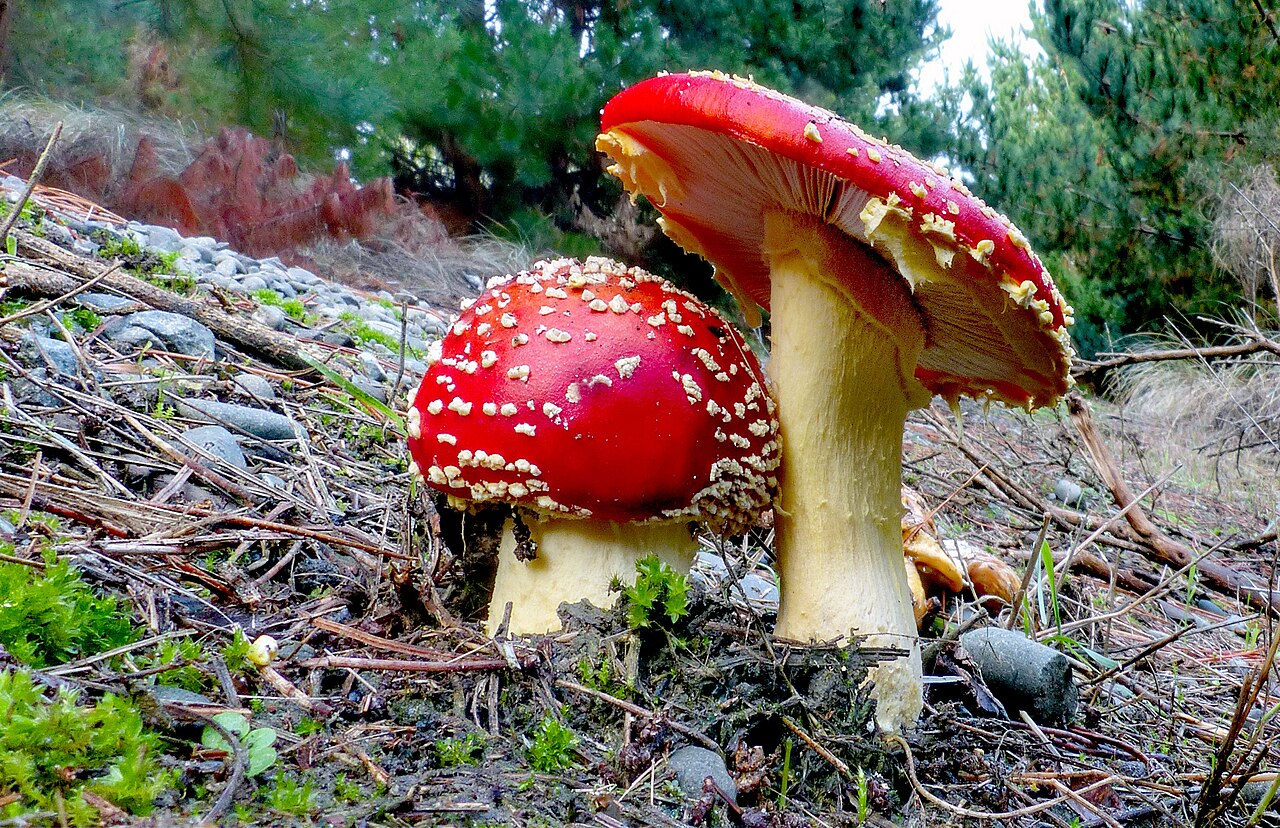
Late porcini for the lucky ones. Blewits (Lepista nuda) are fruiting now,beautiful purple mushrooms in leaf litter and compost heaps. Here’s the thing about blewits: they actually taste better after a light frost, which concentrates their flavor.
Fly agaric appears under birches,the iconic red cap with white spots. Not edible (well, not safely), but it means the season is turning. Shaggy manes pop up in lawns, paths, and disturbed ground. Hedgehog mushrooms ,with their tiny teeth instead of gills,are one of the safest wild mushrooms to identify, and they’re excellent eating.
In California, candy cap mushrooms (Lactarius rubidus) are showing up, and they smell exactly like maple syrup. People make candy cap cookies. Seriously.
November
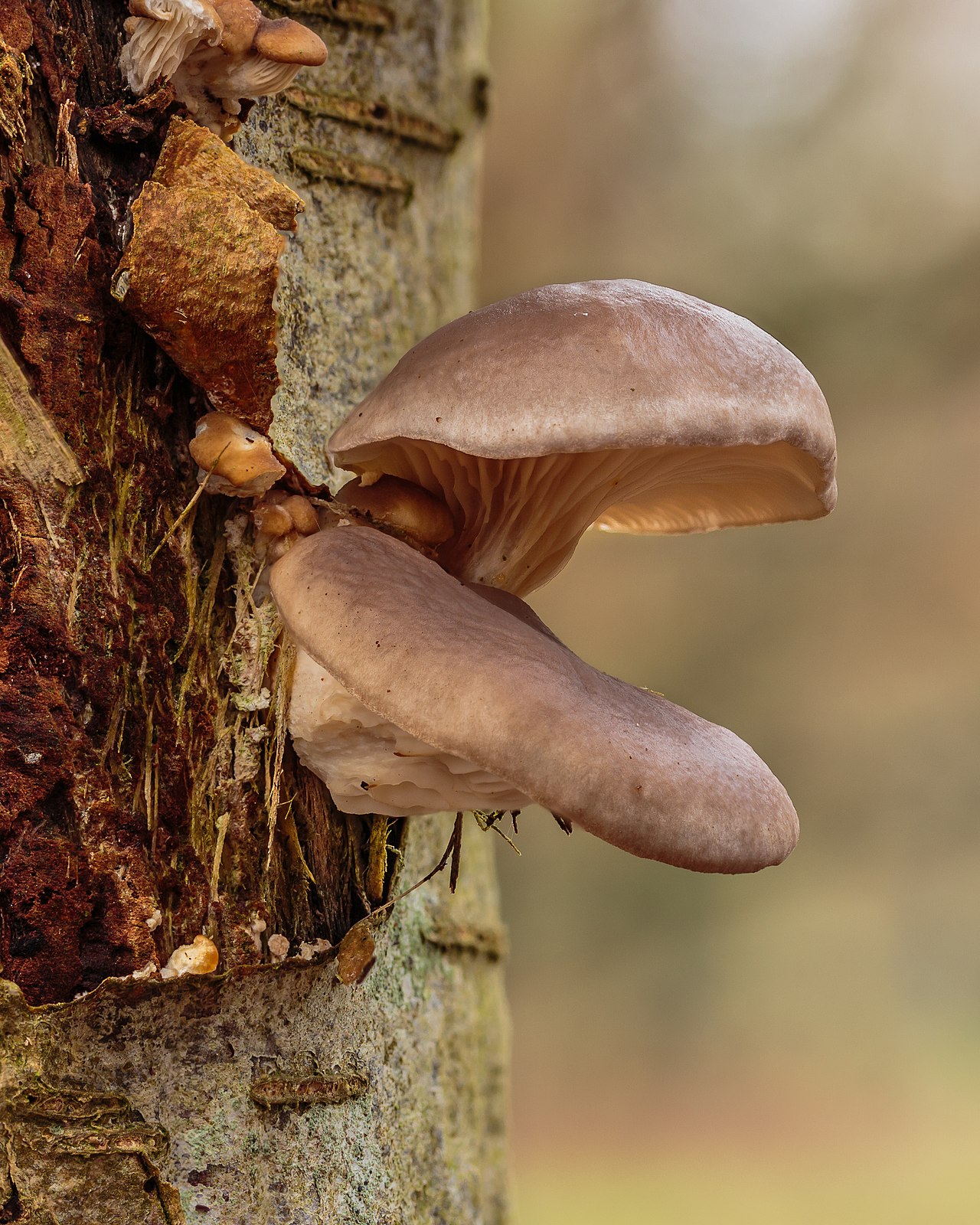
The season is winding down but it’s not over. Oyster mushrooms are fruiting on dead wood,they handle cold weather better than most species and you can find them well into November, sometimes later. Late blewits are still around.
Velvet shank (Flammulina velutipes) is one of the few mushrooms that actually fruits in near-freezing temperatures. It has a dark, velvety stem and a slimy orange cap, and it’s the wild ancestor of the enoki mushroom you see in grocery stores. Wood ears are back too. November foraging requires more walking and less finding, but the woods are quiet and beautiful.
Winter (December – February)
December – February
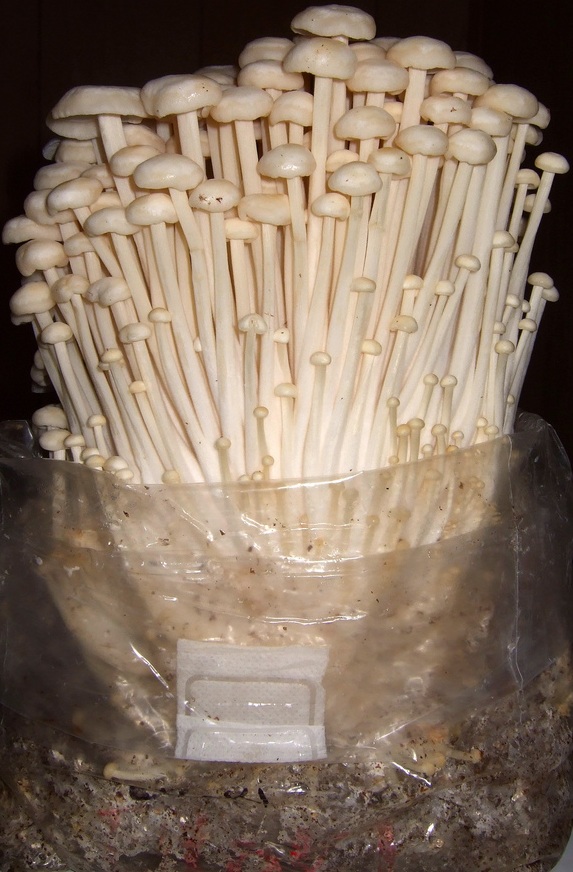
Winter foraging is a real thing, just don’t expect abundance. Velvet shank fruits straight through winter, you can find it on dead elm and willow even when there’s snow on the ground. Oyster mushrooms pop up during mild spells, and if you get a few days above freezing in January, it’s worth checking your known spots.
Turkey tail is around year-round,it’s not a culinary mushroom (way too tough to eat), but it’s used medicinally and there’s legitimate research behind it. Scarlet elf cups return toward the end of February, which means the cycle is about to start again.
Winter is for reading field guides, cleaning your gear, and planning spring routes. Also for ordering dried porcini online and pretending that counts as foraging.
Tips for Seasonal Foraging
- Track soil temperature, not air temperature. Air can swing 20 degrees in a day. Soil temperature is what actually triggers fruiting, and it changes slowly. A cheap soil thermometer is the best $10 you’ll spend on foraging gear.
- Keep a journal. Same species, same spot, similar dates,year after year. After two or three seasons your journal becomes a calendar that tells you exactly when to check each location. I use a notes app with GPS pins but a notebook works just as well.
- Join local foraging groups. They share timing intel that you can’t get any other way. Nobody’s going to tell you their exact spot, but they’ll say “chanterelles are up in the southern counties” and that’s enough to get you moving.
- Rain + warmth + 3 days = check your spots. This is the single most reliable formula in foraging. A good soaking rain followed by warm days, and three days later the mushrooms are up. Set a reminder on your phone if you have to.
- Different altitudes = different timing. Higher elevation means later fruiting. If you missed morel season in the valley, drive up 2,000 feet and you might get another shot two weeks later. This works for less species than you’d think, but for morels and porcini it’s reliable.
Foraging makes you pay attention to seasons in a way nothing else does. You start noticing the soil warming in March, the first humid night in June, the first cool morning in September. The mushrooms were always there. You just weren’t looking. For species distribution and seasonality data, explore GBIF.