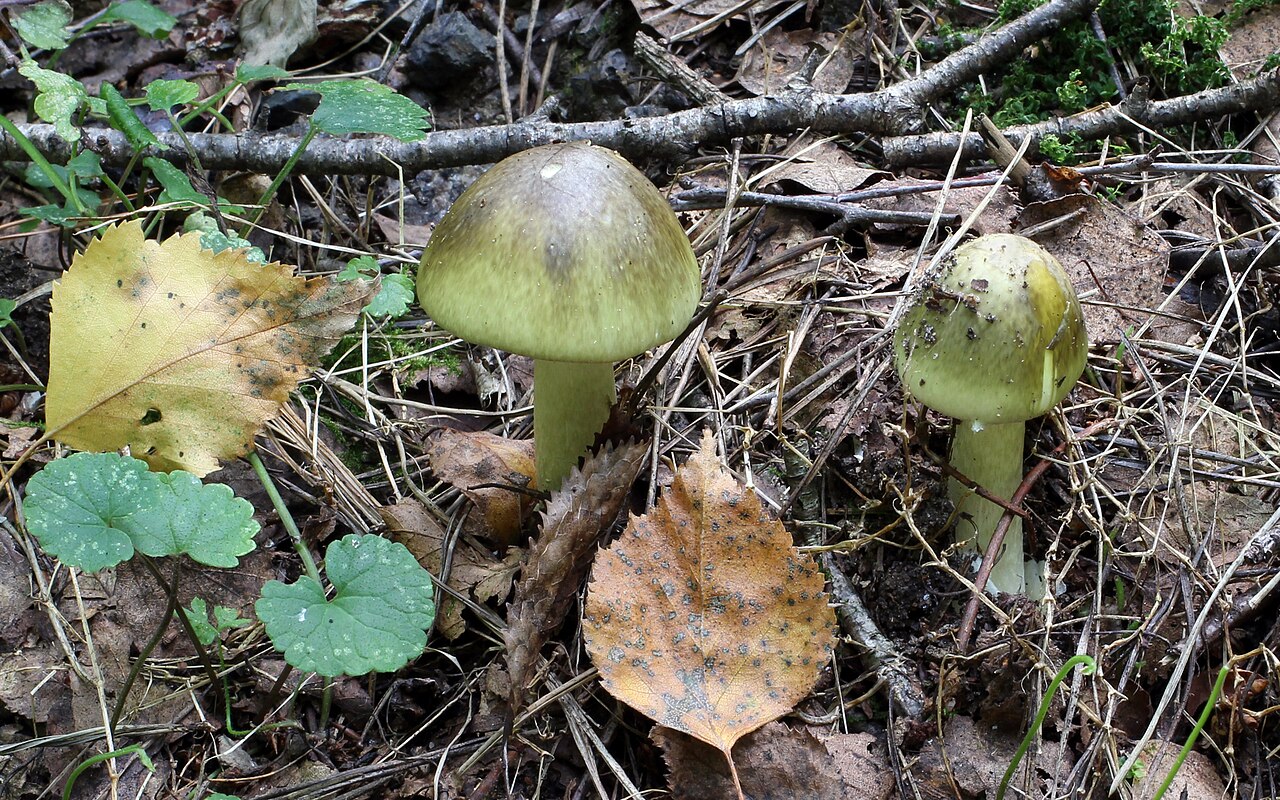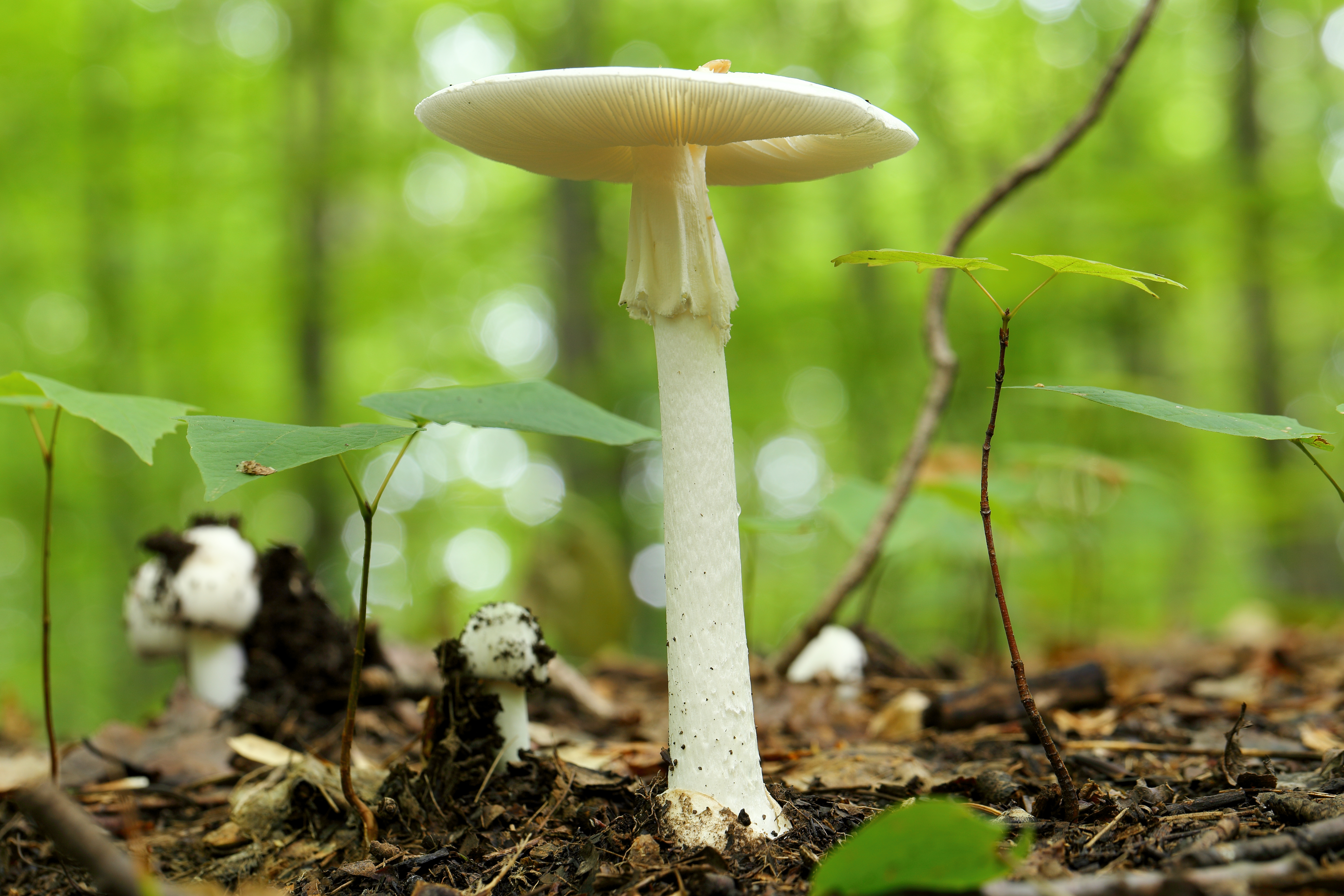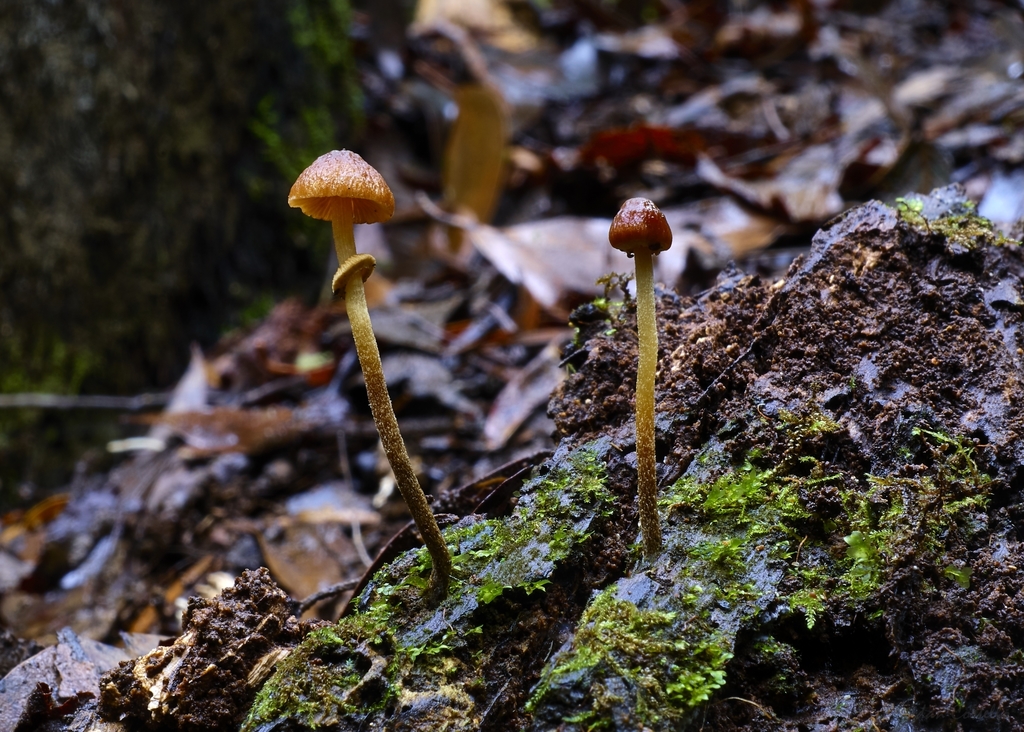
Photo by iNaturalist contributor · iNaturalist · CC BY
Poison Fire Coral is a bright red, finger-like fungus from East Asia that contains trichothecene mycotoxins, the same class of compounds used in biological weapons. It is one of very few mushrooms that can kill through skin contact alone, though most fatalities occur from ingestion.
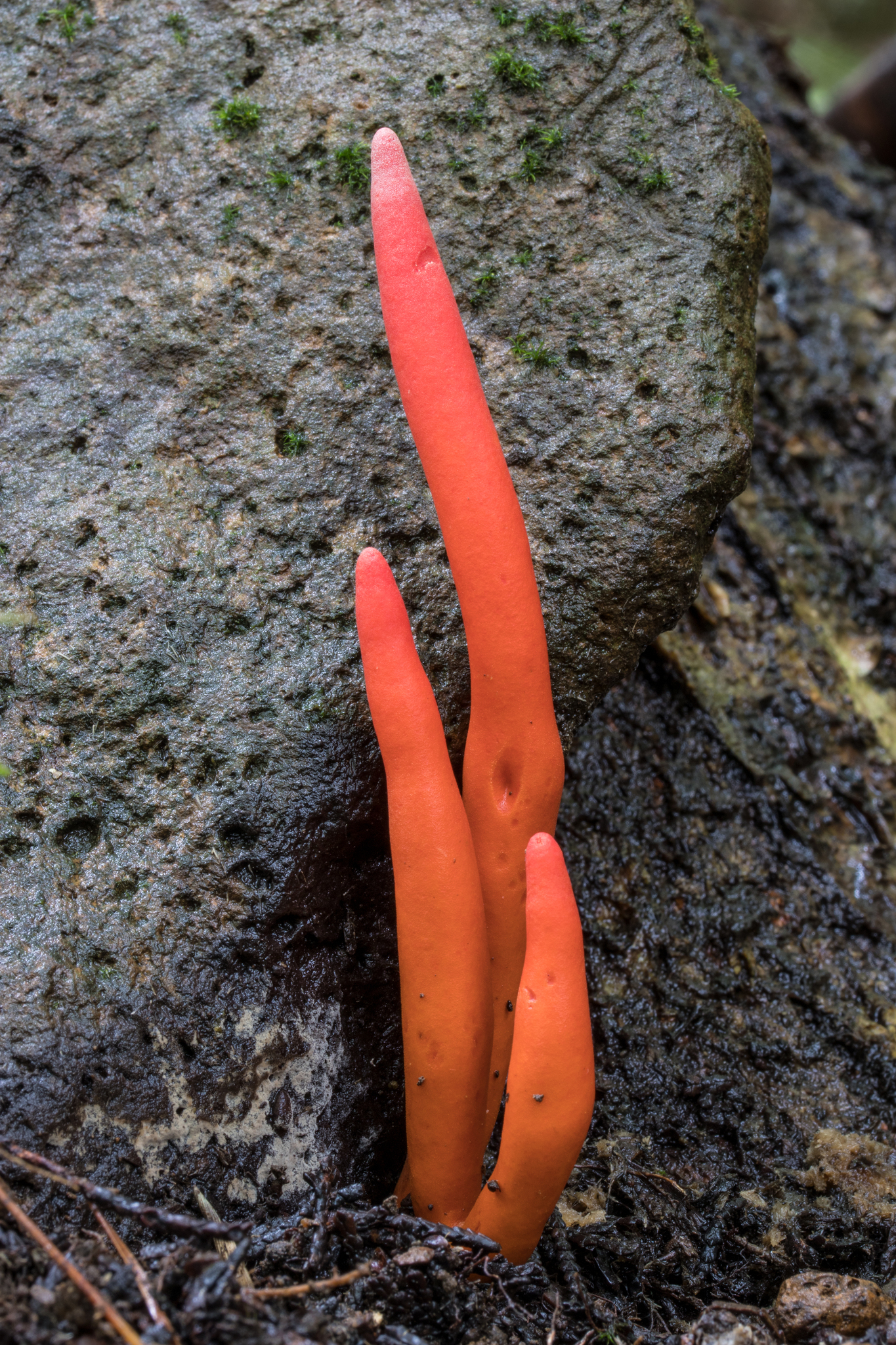
Podostroma cornu-damae looks nothing like a typical mushroom. It erupts from the ground in clusters of bright red to orange-red, finger-like or antler-like projections that resemble coral or some alien life form. It is strikingly beautiful in a way that invites touch, which is precisely the problem. This fungus contains satratoxin H and other trichothecene mycotoxins at concentrations high enough to cause serious harm through skin absorption and fatal organ failure if eaten.
The Poison Fire Coral is native to Japan, Korea, and parts of China, where it grows on or near dead hardwood, particularly in montane forests. In Japan, where it is known as 'kaentake' (fire mushroom), it has caused multiple deaths over the decades. The most well-documented case involved a group of five people in Japan in 1999 who ate the fungus after mistaking it for an edible coral fungus. All five became critically ill; one died from multiple organ failure. Others have suffered severe burns and peeling skin simply from handling the fruiting bodies.
What makes Podostroma cornu-damae uniquely terrifying among fungi is that its toxins can penetrate intact skin. Most mushroom poisons require ingestion. This one does not. Simply picking it up and holding it can cause localized chemical burns, skin peeling, and in prolonged cases, absorption of enough toxin to cause systemic effects. It is, without exaggeration, one of the most dangerous organisms you can encounter in an East Asian forest.
Poison Fire Coral Facts
- ●Poison Fire Coral is one of very few known organisms whose toxins can penetrate intact human skin. Simply holding it with bare hands can cause chemical burns and systemic poisoning.
- ●Trichothecene mycotoxins, the class of poisons found in Poison Fire Coral, were allegedly weaponized during the Cold War as 'yellow rain' in Southeast Asia. The same compound class occurs naturally in this fungus.
- ●In Japan, Podostroma cornu-damae is called 'kaentake,' which translates to 'fire mushroom,' a name that refers both to its fiery red color and to the burning sensation it causes on contact with skin.
- ●Despite its extreme toxicity, Poison Fire Coral is rare and localized. Most people, even in Japan and Korea where it occurs, will never encounter one in the wild.
- ●The bright red color of Poison Fire Coral comes from naphthoquinone pigments, which are unrelated to the trichothecene toxins responsible for its lethal effects.
Stories From the Field
The 1999 Japanese Group Poisoning
In 1999, five people in the Niigata Prefecture of Japan ate Poison Fire Coral they had collected from a mountain forest, believing it was an edible coral fungus. All five were hospitalized within hours with severe gastrointestinal hemorrhage. One man, aged 65, died of multiple organ failure within a week. The others survived after prolonged intensive care.
Korean Hiker Burns Hands on Fire Coral
In 2012, a hiker on Jirisan Mountain in South Korea picked several bright red specimens out of curiosity and carried them in his bare hands for about 20 minutes. Within hours, his palms developed severe chemical burns with blistering and skin peeling. He required treatment at a dermatology clinic for three weeks.
Misidentified as Traditional Medicine in China
In 2016, a man in Yunnan Province, China, collected red coral-like fungi from a mountainside, believing they were a traditional medicinal fungus. He made a tea from dried specimens. He was hospitalized with liver failure and bleeding gums within 48 hours. He survived after a month of treatment.
Japanese Documentary Crew Films With Gloves
In 2018, a nature documentary crew filming in Nara Prefecture, Japan, encountered a large cluster of Poison Fire Coral on a dead oak stump. The crew wore nitrile gloves and used long-handled tongs to handle the specimens. The segment aired on NHK and helped raise public awareness about the species.
Where It's Been Found
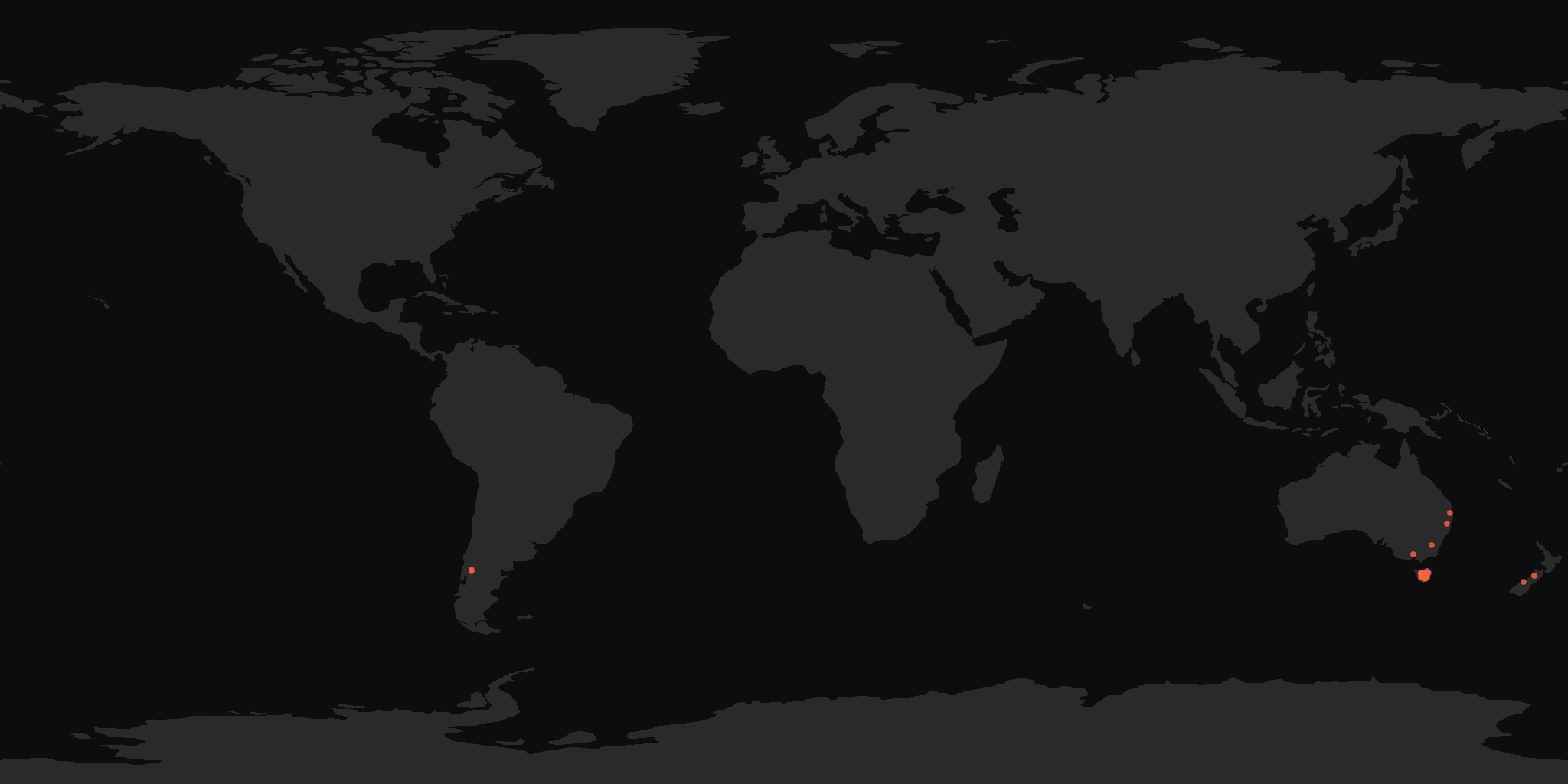
Based on reported sightings worldwide
How to Identify Poison Fire Coral
Cap
No cap in the traditional sense. Fruiting body consists of upright, finger-like or antler-like projections, 3-13 cm tall. Bright orange-red to blood-red. Surface is smooth to slightly roughened. Branches may be simple or forked.
Gills
None. Spores are produced on the surface of the finger-like projections.
Stem
No distinct stem. The projections emerge directly from a base attached to dead wood or soil near buried wood.
Spore Print
White (though collecting a spore print from this species is strongly discouraged due to skin-contact toxicity).
Odor
Mild or not distinctive.
Mushrooms That Look Like Poison Fire Coral
Clavulinopsis coral fungi
Various edible or harmless coral fungi can be yellow, orange, or pinkish. They tend to be more delicate, more branched, and less intensely red than Poison Fire Coral. However, color overlap exists, and in East Asian forests, any red coral-like fungus should be treated with extreme caution.
Read more on iNaturalist →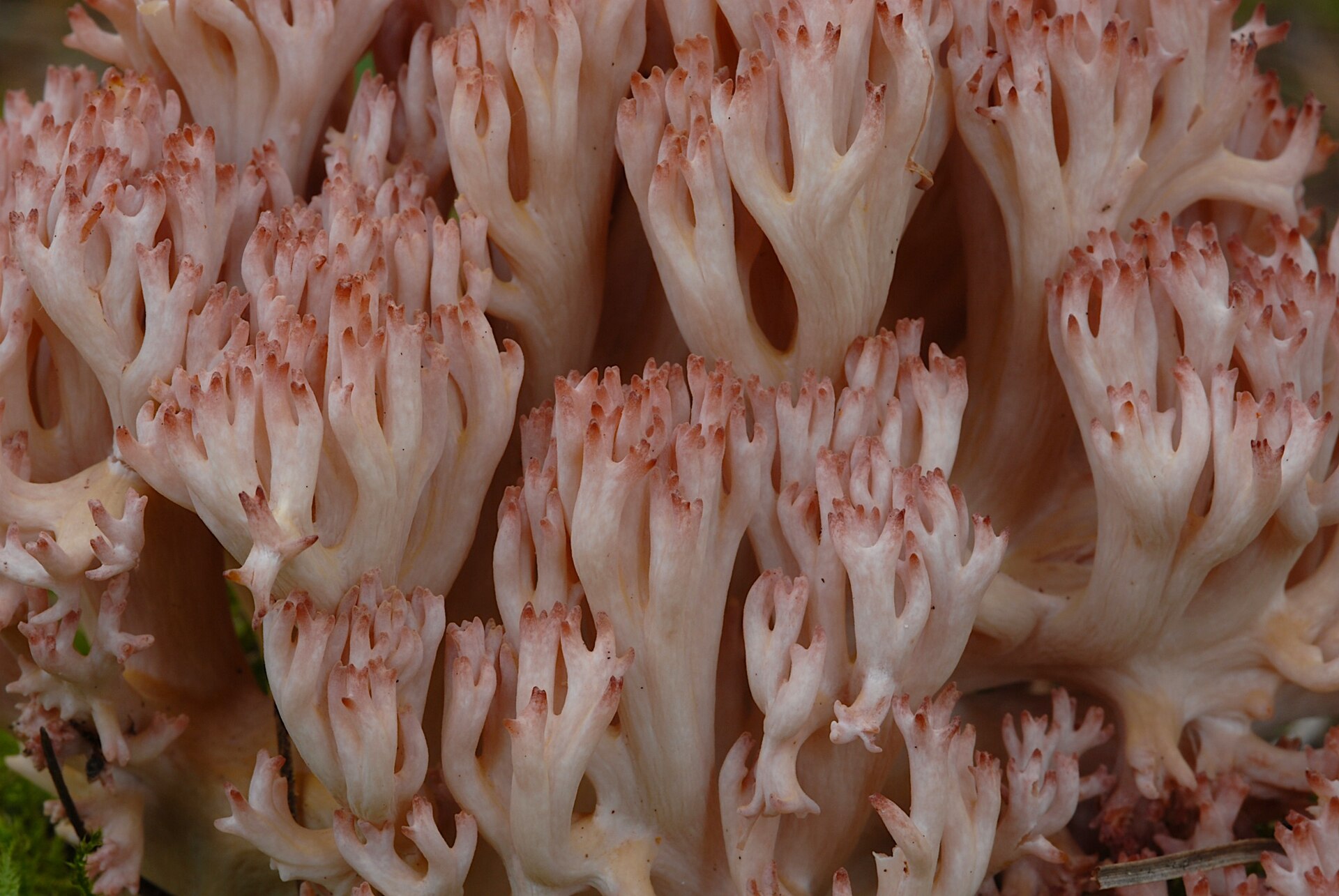
A large, much-branched coral fungus with white to pinkish branches and purple-pink tips. Much larger and more extensively branched than Podostroma. Grows on the ground in broadleaf forests. Considered edible.
Side-by-side comparison →Trichoderma cornu-damae
The anamorph (asexual stage) of the same organism. Can appear as a reddish stromatic growth on wood. Equally toxic. Taxonomy is complex and some authorities consider them the same species in different reproductive states.
Read more on iNaturalist →Why Poison Fire Coral Is Deadly
Contains satratoxin H and other trichothecene mycotoxins at extremely high concentrations. Ingestion causes severe multi-organ failure, beginning with gastrointestinal hemorrhage and progressing to bone marrow suppression, brain damage, liver failure, and kidney failure. Death can occur within days. Remarkably, toxins can also be absorbed through intact skin, causing chemical burns, skin peeling, and systemic poisoning with prolonged contact. Do not touch this fungus with bare hands under any circumstances.
Always verify with local experts before consuming wild mushrooms.
Found something that looks like this in the wild? Don't guess — identify it from a photo with Orangutany and check it against look-alikes before you touch it.