Photo by George Chernilevsky · Wikimedia Commons · Public domain
Meet the world's deadliest mushroom. The Death Cap is responsible for roughly 90% of all mushroom-related fatalities worldwide, and it looks disturbingly similar to several edible species.
The Death Cap is nature's most effective poisoner. It doesn't taste bad. It doesn't smell bad. It doesn't even make you feel sick right away. You eat it, feel totally fine for 6 to 12 hours, maybe even think you dodged a bullet — and then your liver starts shutting down. By the time symptoms hit, the damage is already done. That delayed onset is what makes Amanita phalloides so terrifyingly effective, and why emergency rooms dread it.
This mushroom has a resume of high-profile kills stretching back centuries. Roman Emperor Claudius almost certainly died from Death Cap poisoning in 54 AD — served by his wife Agrippina, who wanted her son Nero on the throne. Pope Clement VII may have been another victim in 1534. In modern times, immigrants and refugees who mistake it for edible species from their home countries account for a heartbreaking number of deaths every year, particularly in California and Australia where the mushroom thrives under imported oak trees.
Originally native to Europe, the Death Cap hitched a ride to other continents on the roots of exported trees. It now grows across North America, Australia, parts of South America, and North Africa. It fruits in autumn, often near oaks, and a single cap contains enough amatoxin to kill an adult. There is no reliable antidote, though silybin (from milk thistle) and early liver transplant have saved some people. The bottom line: if you're not 100% certain what you're picking, leave it in the ground.
Death Cap Facts
- ●A single Death Cap contains enough amatoxin to kill a healthy adult — and cooking, freezing, or drying does absolutely nothing to break down the poison.
- ●The Death Cap was accidentally introduced to North America on the roots of European cork oaks imported to California. It's been spreading ever since.
- ●After Emperor Claudius was killed by Death Caps, the Roman philosopher Seneca darkly joked that mushrooms had become 'a vehicle for poison.'
- ●Death Caps have a cruel false-recovery phase — after the initial vomiting stops, patients feel better for about 24 hours while their liver is silently being destroyed.
- ●Dogs are highly susceptible to Death Cap poisoning. In the Pacific Northwest, veterinarians see cases every autumn when dogs eat fallen mushrooms in parks.
Stories From the Field
The Leongatha Lunch That Killed Three
In 2023, Erin Patterson served beef Wellington containing Death Cap mushrooms to her former in-laws in Leongatha, Victoria, Australia. Three of the four guests died. On July 7, 2025, Patterson was found guilty of three counts of murder. On September 8, 2025, she was sentenced to life imprisonment.
Canberra New Year's Tragedy
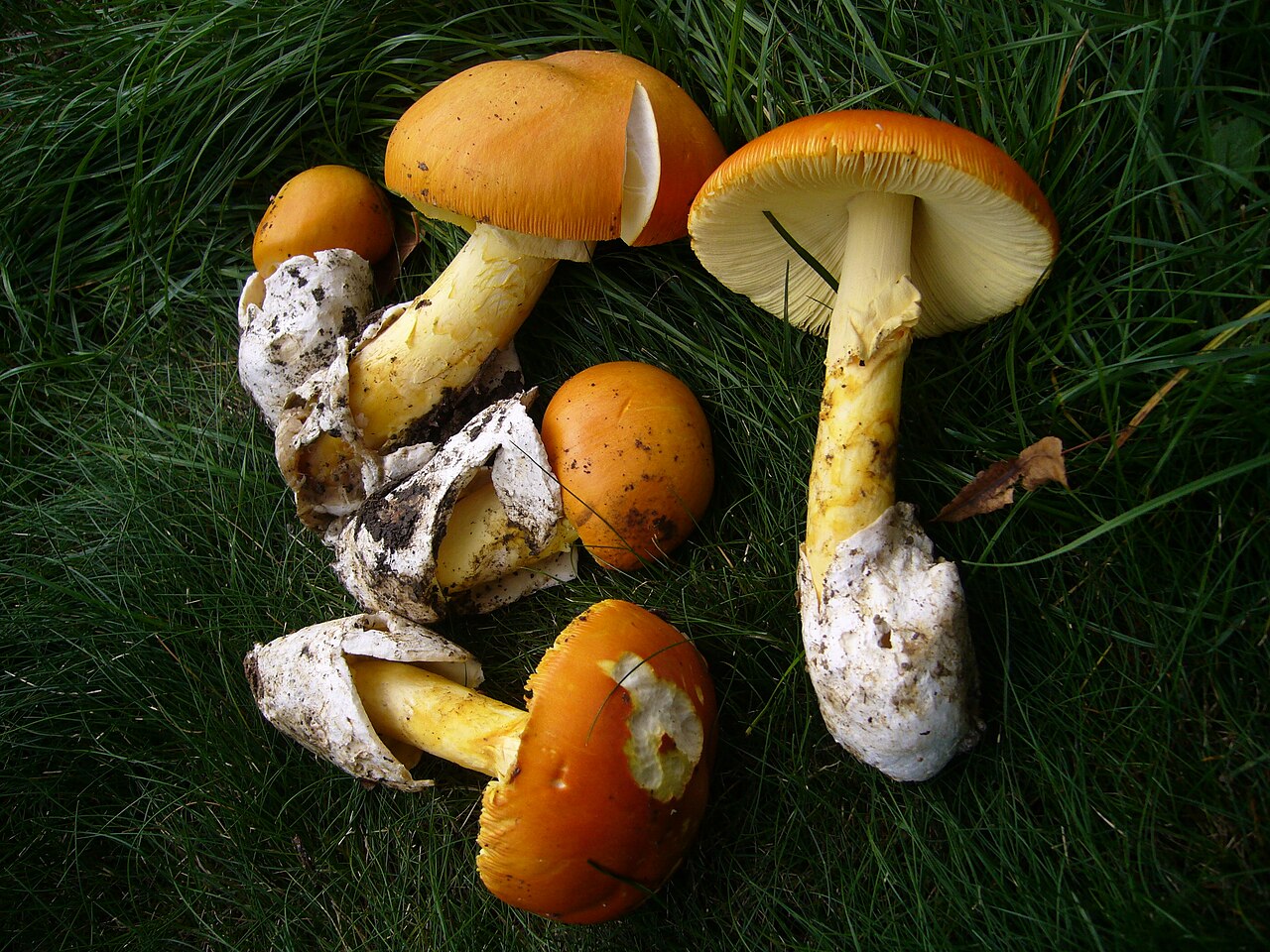
On New Year's Day 2012, two people died in Canberra after eating Death Cap mushrooms picked from a local suburb. They were experienced foragers from China who mistook them for Straw Mushrooms.
Emperor Claudius: History's Most Famous Mushroom Victim
In 54 AD, Roman Emperor Claudius died after eating a dish of mushrooms — almost certainly Death Caps slipped in by his wife Agrippina. His death put 16-year-old Nero on the throne.
Bay Area Foraging Gone Wrong
In 2016, a family of three in the Santa Cruz Mountains was hospitalized after eating Death Caps foraged near their home. The 18-month-old daughter required an emergency liver transplant. All survived.
Dog Eats a Death Cap in Portland
In 2021, a golden retriever in a Portland, Oregon park ate a Death Cap growing under an oak tree. The dog developed liver failure within 48 hours and died despite emergency veterinary care.
Where It's Been Found
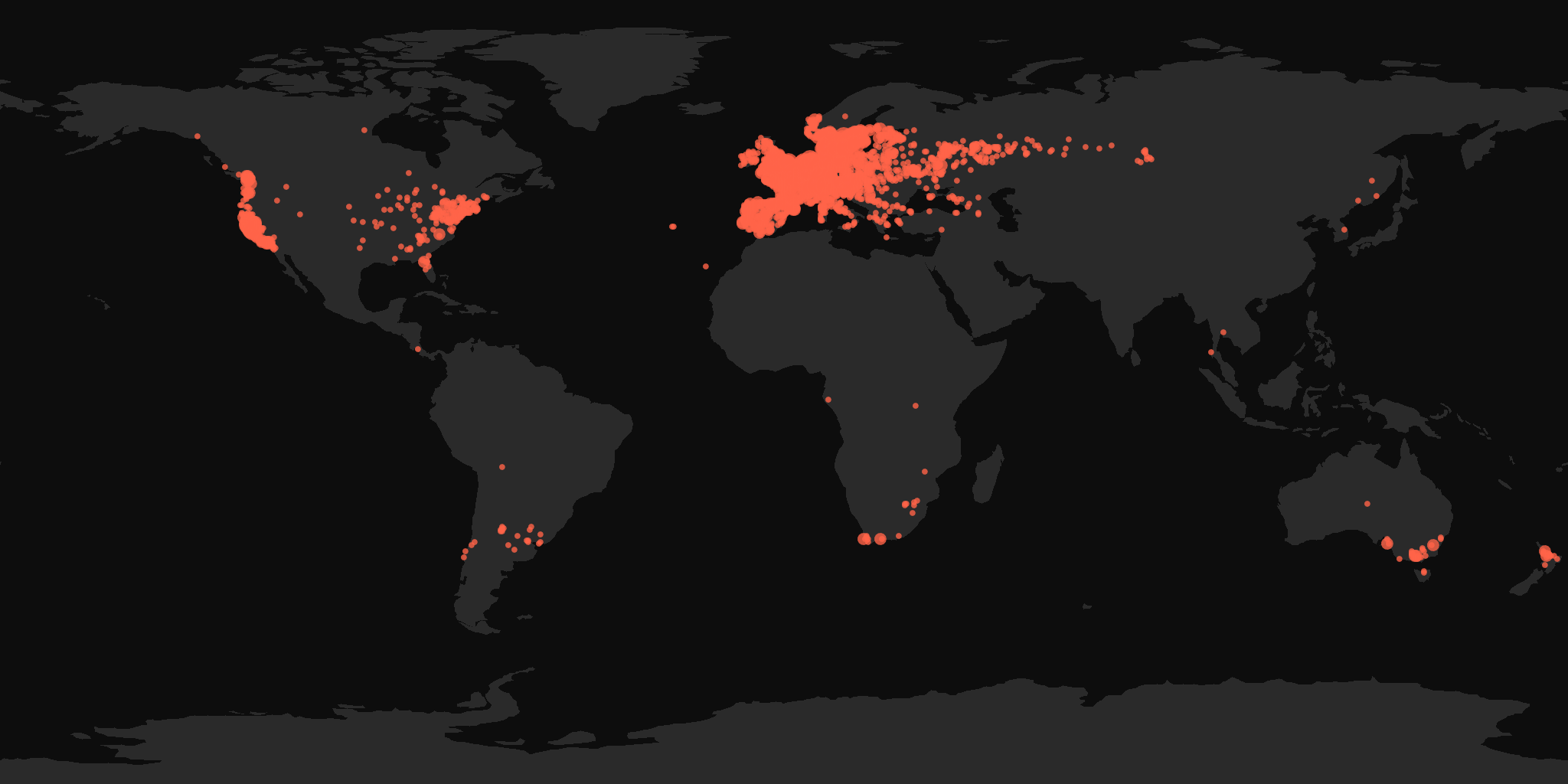
Based on reported sightings worldwide
How to Identify Death Cap
Cap
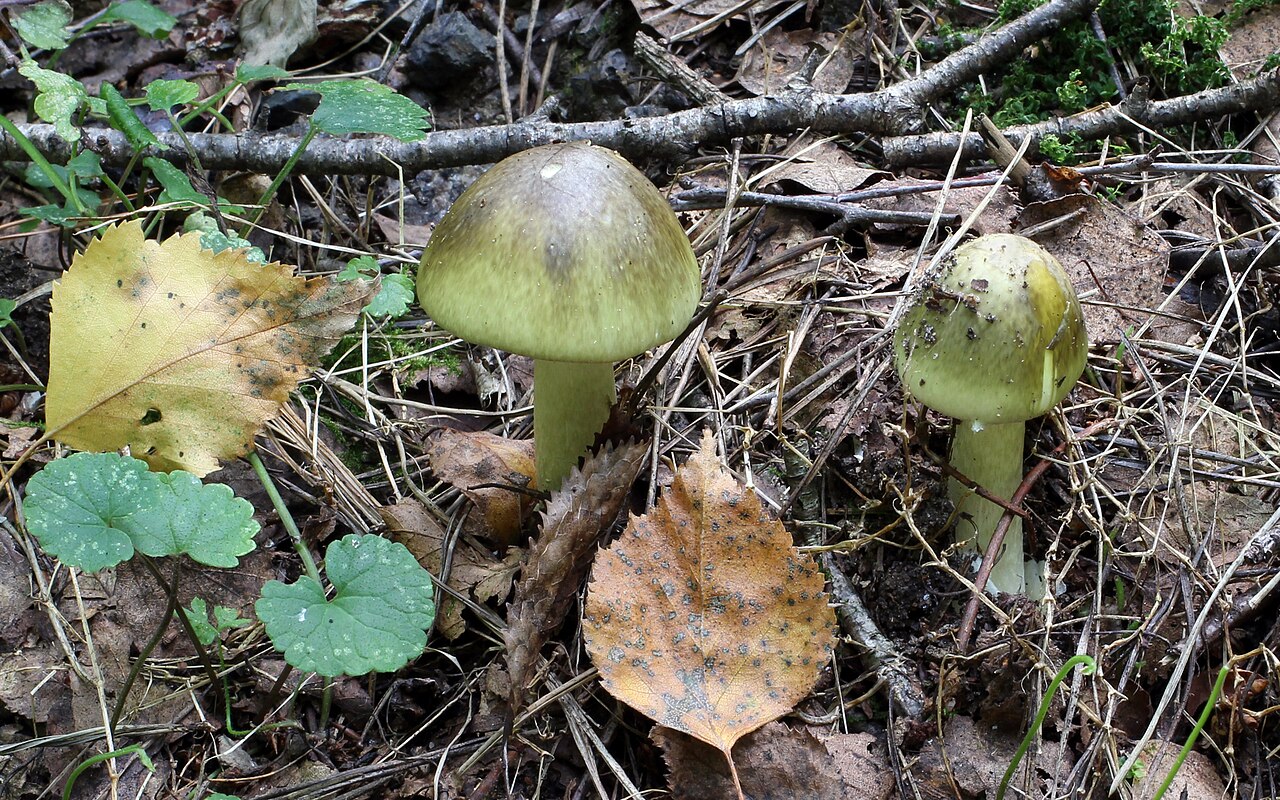
5-15 cm across. Starts egg-shaped, opens to convex then flat. Color ranges from pale greenish-yellow to olive green, sometimes almost white. Surface is smooth and slightly sticky when wet. No warts or patches (unlike Fly Agaric). The green tinge is the key tell, but pale specimens can fool you.
Gills
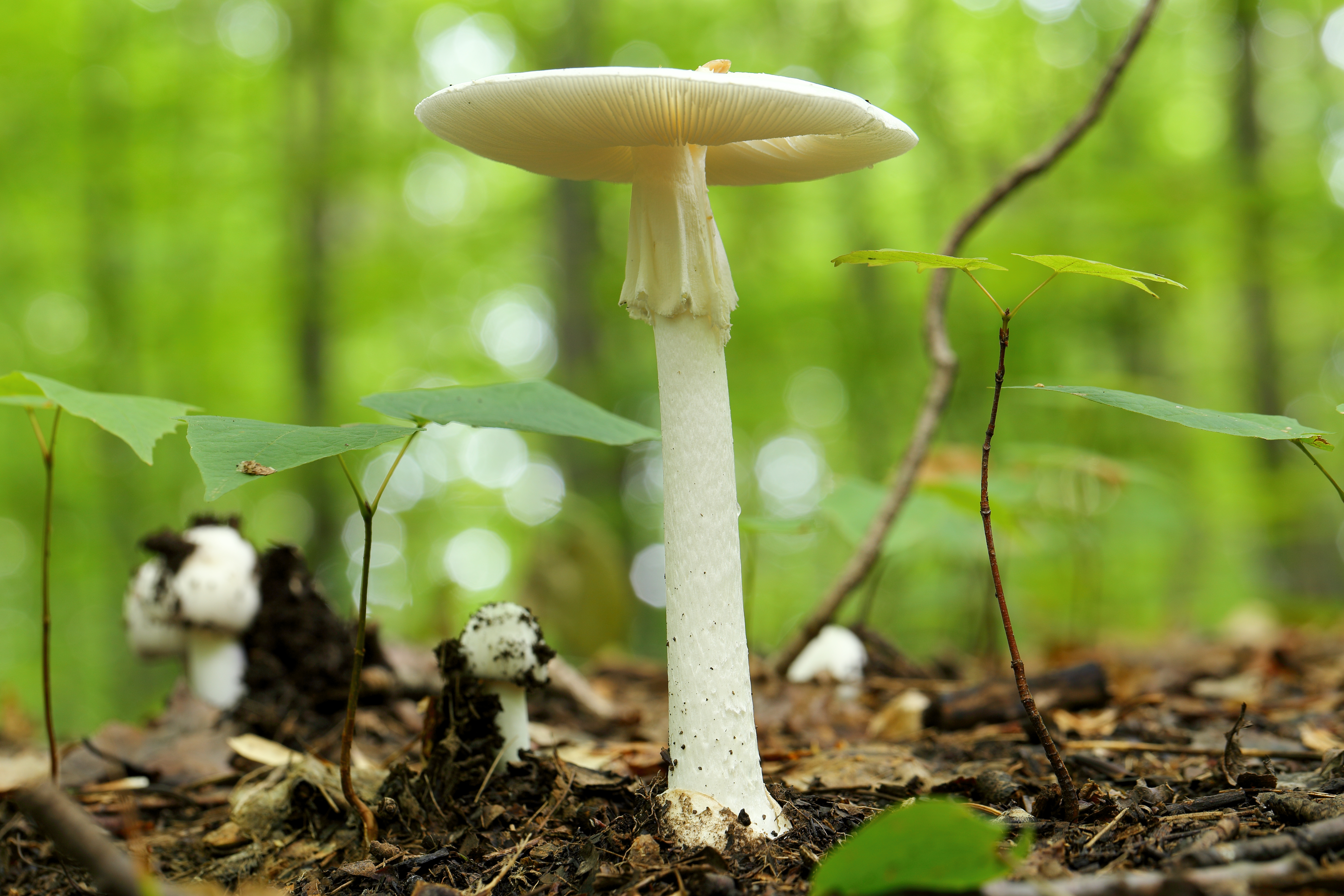
White, closely spaced, and free (not attached to the stem). They stay white even as the mushroom ages — no color change.
Stem
8-15 cm tall, white to pale green, with a prominent drooping skirt-like ring near the top. The base sits inside a cup-shaped volva (sac) that's often buried underground. Always dig up the base to check for the volva — it's the single most important identification feature.
Spore Print
White.
Odor
Faintly sweet and pleasant when young. Becomes sickly sweet and unpleasant as it ages — sometimes described as honey-like turning to rotting.
Mushrooms That Look Like Death Cap
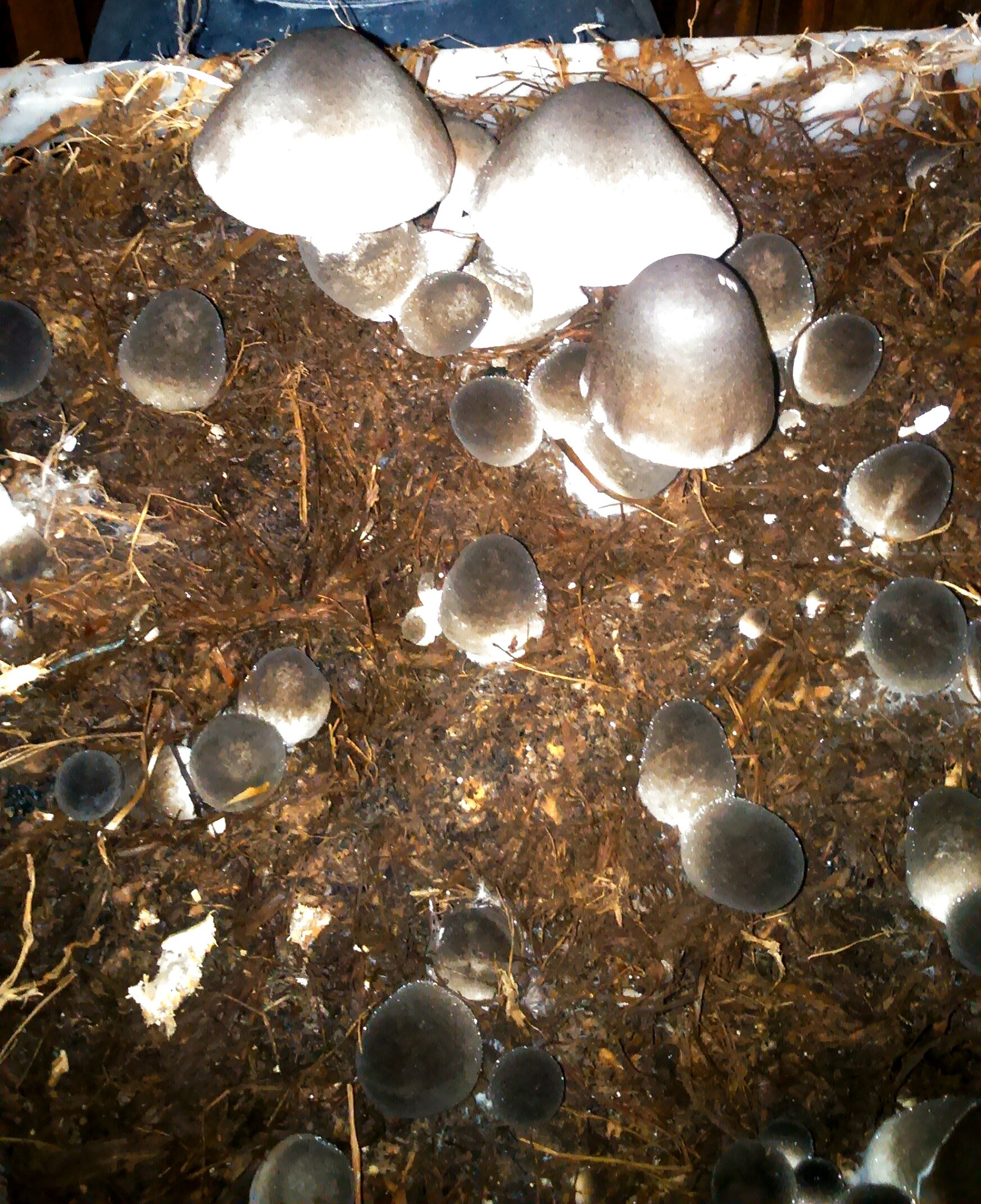
A popular edible mushroom in Southeast Asian cuisine. Both have a volva at the base, but the Straw Mushroom has pinkish-brown spores (not white), a darker grayish-brown cap, and gills that turn pink with age. This confusion has killed Southeast Asian immigrants foraging in the US and Australia.
Side-by-side comparison →Read more on iNaturalist →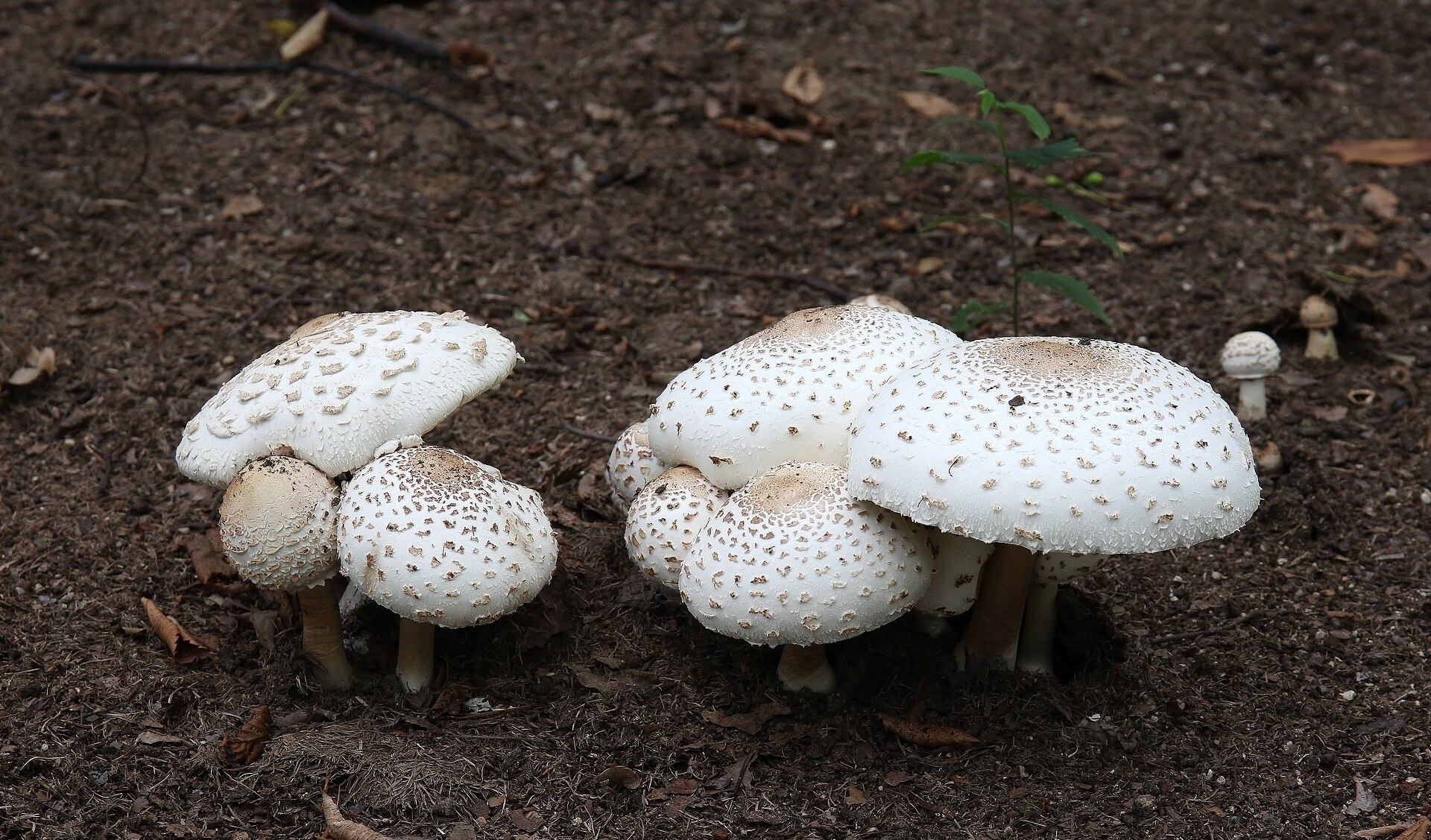
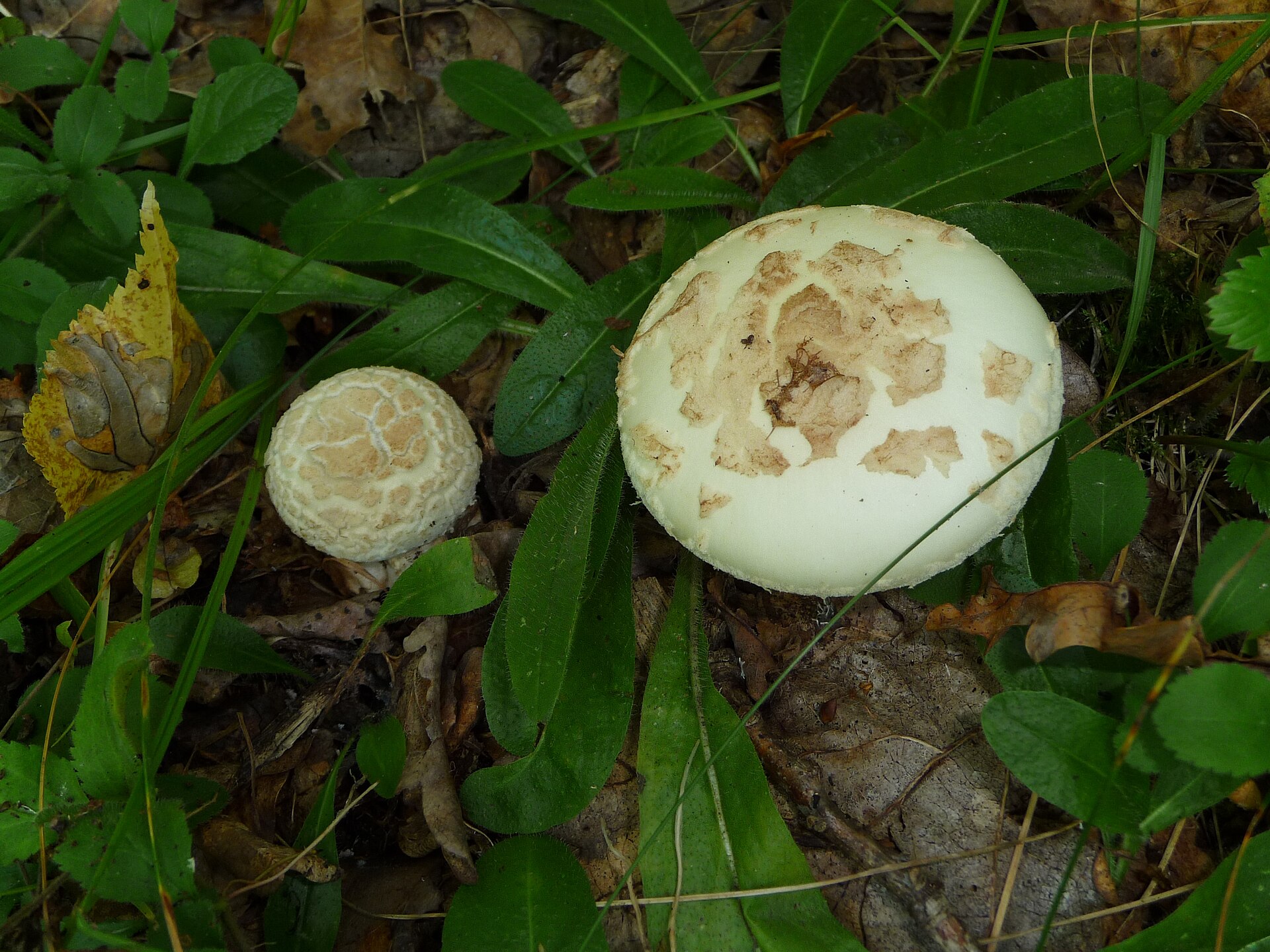
The most commonly eaten poisonous mushroom in North America (causes severe GI distress but is rarely fatal). Much larger than the Death Cap, with a shaggy scaly cap and green spore print. Grows in lawns and open grass, not in woodland. No volva at the base.
Side-by-side comparison →Read more on Wikipedia →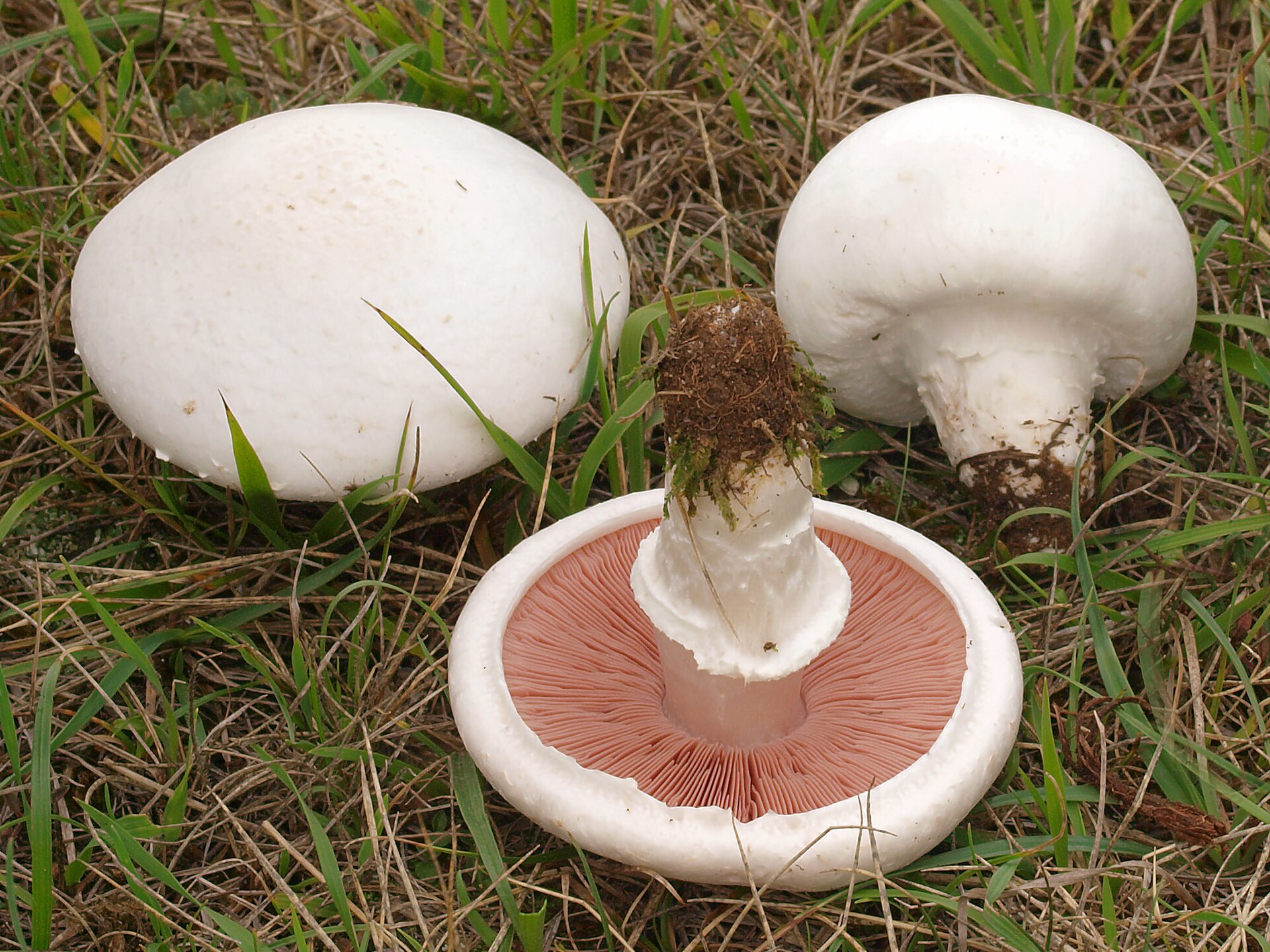
A common edible mushroom. Key differences: Field Mushrooms have pink-to-brown gills (never white), a chocolate-brown spore print, and no volva at the base. If the gills are white and there's a sac at the base, you may be holding a Death Cap.
Side-by-side comparison →Read more on MushroomExpert →Why Death Cap Is Deadly
Contains amatoxins (primarily alpha-amanitin) that destroy liver and kidney cells. A single mushroom can contain enough toxin to kill an adult. Symptoms are delayed 6-12 hours, starting with severe vomiting and diarrhea, followed by a deceptive recovery period, then rapid liver failure on days 3-5. Mortality rate without treatment is 50-90%. Cooking does NOT destroy the toxins. There is no reliable antidote. Do not eat this mushroom under any circumstances.
Always verify with local experts before consuming wild mushrooms.
Found something that looks like this in the wild? Don't guess — identify it from a photo with Orangutany and check it against look-alikes before you touch it.