How Climate Change Is Reshaping Mushroom Season
By Priya Sharma · Orangutany · March 2026
In 2007, a team of researchers at Kew Royal Botanic Gardens published a study that should have made headlines. Analyzing over 52,000 fungal herbarium records from the United Kingdom dating back to 1950, they found that the average autumn mushroom fruiting season had shifted: species were appearing earlier and fruiting for longer. Some species that once fruited only in October were now appearing in late August. The average fruiting season had extended by several weeks.
The cause was not a mystery. Warmer autumns, milder winters, and altered rainfall patterns were rewriting the phenological calendar for fungi across Europe and North America. And what has happened since has only confirmed the trend.
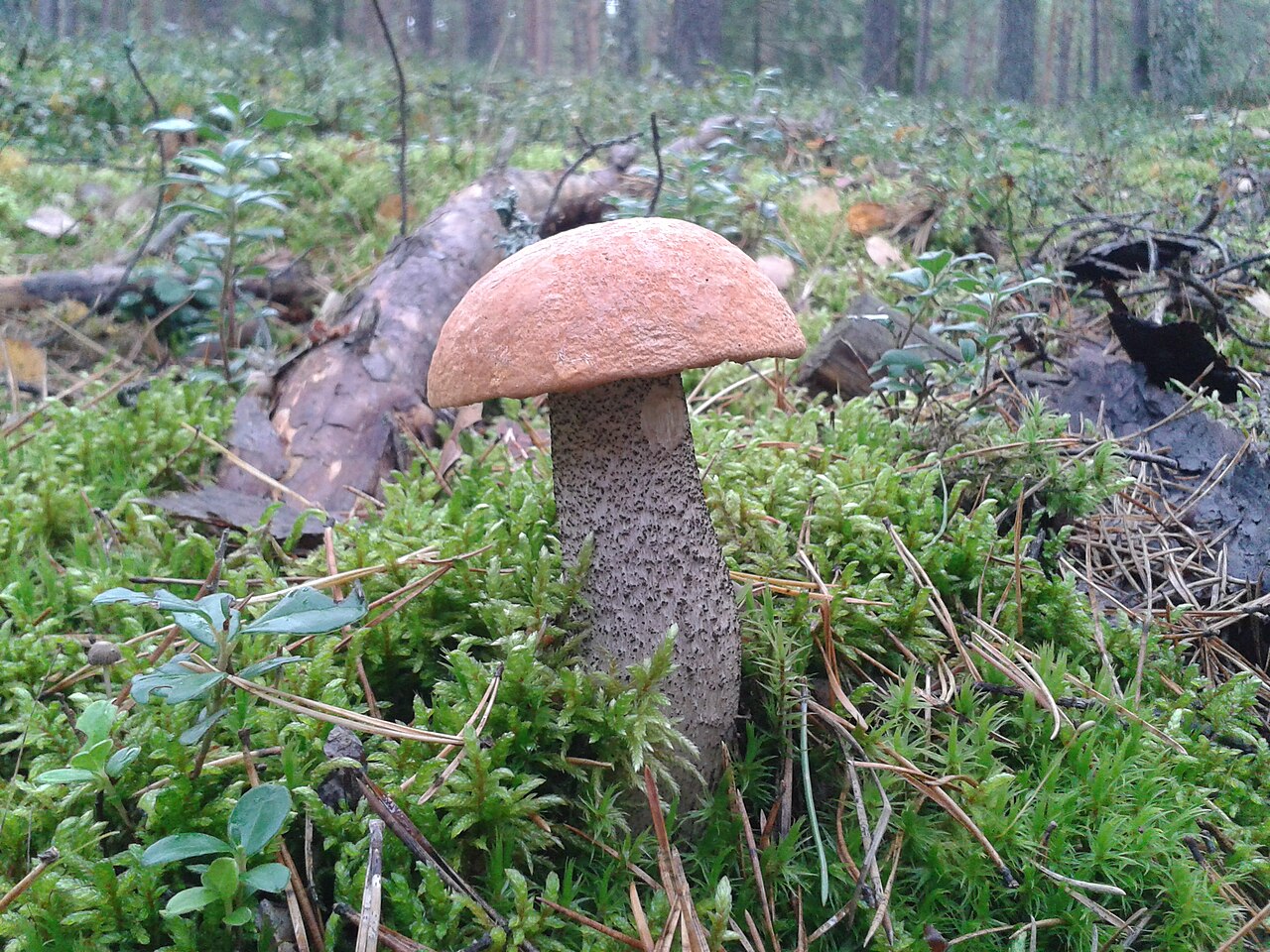
The Data: What Phenology Records Show
Fungal phenology, the study of when fungi fruit, relies on decades of herbarium collections, foray records from mycological societies, and more recently, citizen science platforms like iNaturalist and Mushroom Observer. The datasets are large enough to reveal clear trends.
The Kew study, led by Alan Gange and published in Science, analyzed 315 species across the UK. Key findings: the average first fruiting date had advanced by about two weeks compared to the 1950s. Many species that historically fruited only in autumn were now also producing a spring fruiting, something rarely recorded before the 1980s. The total number of days per year during which fruiting bodies could be found had nearly doubled for some species.
A 2012 follow-up study in Norway found similar patterns. Autumn fungi were fruiting 10 to 13 days earlier than they had 40 years prior. A 2015 Swiss study analyzing 60 years of data confirmed the trend in alpine regions, with some high-altitude species fruiting three to four weeks earlier than historical norms.
In North America, data from the North American Mycoflora Project and regional mycological societies shows comparable shifts, though the records are less systematically collected than in Europe. Oregon Mycological Society foragers have reported finding chanterelles (Cantharellus cibarius) as early as late May in recent years, when the traditional season began in July. Pacific Northwest porcini (Boletus edulis) flushes have become less predictable, with some years seeing virtually no autumn fruiting due to drought.
What's Driving the Shift
Fungi fruit in response to environmental triggers, primarily temperature and moisture. Unlike plants, which respond strongly to day length (photoperiod), most fungi rely on soil temperature dropping below a species-specific threshold combined with adequate rainfall. This makes them particularly sensitive to climate variables.
Three changes are happening simultaneously:
1. Warmer Autumns
Across the Northern Hemisphere, average autumn temperatures have increased by 1–2°C since the 1950s. For fungi that require soil temperatures to drop to, say, 12°C before fruiting, that threshold is now reached later in the year. But paradoxically, some species are fruiting earlier because warmer summers extend their growing season, allowing mycelium to accumulate enough energy to fruit before the traditional autumn trigger. The result is a wider, more diffuse fruiting window.
2. Altered Rainfall Patterns
Many regions are experiencing more intense but less frequent rainfall. Fungi need sustained moisture over several days to initiate fruiting. Brief heavy downpours followed by dry spells are less effective than steady autumn rains. This is particularly affecting Mediterranean and Western European species. In California, the erratic timing of autumn rains has made chanterelle season increasingly unpredictable.
3. Milder Winters
Reduced frost periods mean that some fungi continue fruiting well into December and January in regions where they once stopped in November. UK recorders have noted oyster mushrooms and velvet shanks fruiting throughout winter in southern England, a pattern that was exceptional before the 2000s.
Truffles in Decline
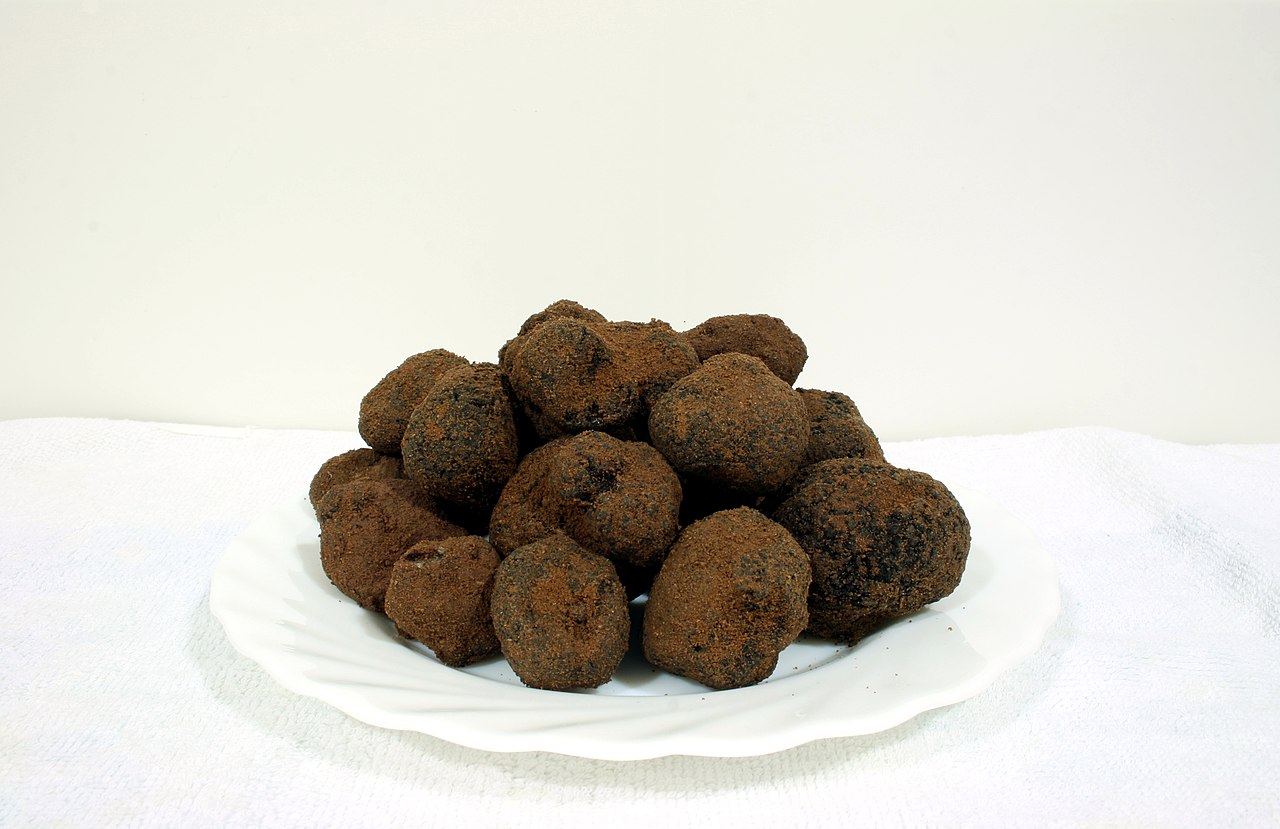
Nowhere is climate change hitting fungi harder than in the truffle regions of southern Europe. The Perigord black truffle (Tuber melanosporum) and the Italian white truffle (Tuber magnatum) are both in serious trouble.
A 2021 study published in Nature Climate Change analyzed truffle production data from Spain, France, and Italy going back to the 1970s. The findings were stark: black truffle production across all three countries had declined by 70–80% since 1970. The primary driver was summer drought. Black truffles require summer rainfall to develop their underground fruiting bodies, and Mediterranean summers have become significantly drier over the past 50 years.
White truffle production in Italy's Piedmont region, where Tuber magnatum is harvested from wild oak and hazel forests, has also declined sharply. The Alba truffle fair, the world's most famous white truffle market, has seen record high prices in recent years driven by scarcity. In the 2024 season, premium white truffles reached $5,000 per pound, a reflection not of increased demand but of collapsing supply.
Some growers are adapting. Black truffle plantations, called truffieres, are being established further north, in southern England, northern France, and even Sweden. A farm in Monmouthshire, Wales, produced its first commercially viable black truffle harvest in 2021, something unthinkable a generation earlier. But cultivated truffles cannot replace the wild harvest. Tuber magnatum has never been successfully cultivated at commercial scale, and wild white truffles depend on old-growth forest ecosystems that are themselves under pressure.
Species on the Move
As temperatures warm, fungal species are shifting their geographic ranges, just as plants, insects, and birds are. The general pattern is northward migration in the Northern Hemisphere and upslope movement in mountainous regions.
Boreal species associated with coniferous forests are retreating northward as those forests contract. Species like Boletus edulis and Cantharellus cibarius, both ectomycorrhizal with conifers and broadleaf trees, are being found at increasingly high latitudes in Scandinavia.
Conversely, thermophilic (warmth-loving) species are expanding northward. Several Mediterranean fungi have been recorded for the first time in southern England and the Low Countries. The ink cap Coprinopsis atramentaria and other urban-adapted species are extending their range as cities warm faster than surrounding countryside due to the heat island effect.
In alpine regions, the picture is more concerning. A 2019 study in the Swiss Alps found that ectomycorrhizal fungal diversity at the treeline had declined significantly over 20 years. Species adapted to cold, nutrient-poor soils were being displaced by generalist competitors moving upslope. Since treeline fungi are critical partners for alpine trees and shrubs, their loss could accelerate treeline retreat.
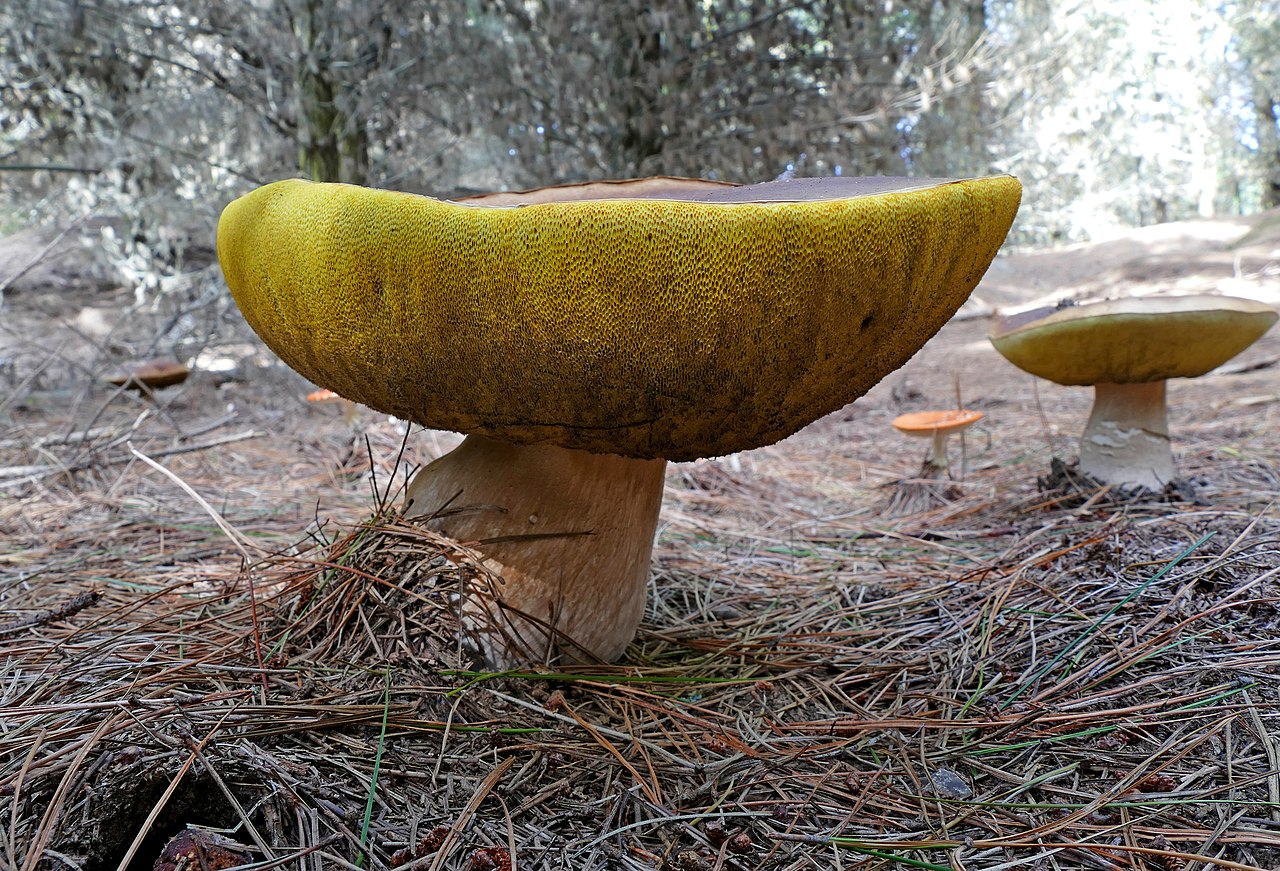
The Mycorrhizal Crisis You Haven't Heard About
Roughly 90% of plant species form mycorrhizal partnerships with fungi. These symbioses are foundational to terrestrial ecosystems: trees exchange sugars for mineral nutrients delivered by their fungal partners. Boreal forests, temperate forests, and tropical montane forests all depend on these relationships.
A 2023 paper in Global Change Biology modeled the impact of climate change on ectomycorrhizal fungal communities across Europe. The projections were sobering: under a moderate warming scenario (RCP 4.5), 25–40% of current ectomycorrhizal species associations in temperate European forests would be disrupted by 2070. Under high warming (RCP 8.5), the figure rose to 60%.
The problem is that trees and their fungal partners do not necessarily migrate at the same speed. Oaks, for instance, can only spread about 500 meters per year through natural seed dispersal. Their mycorrhizal partners may not be present in the new territory the oak is moving into. Without the right fungi in the soil, tree seedlings establish poorly or not at all.
This "mycorrhizal mismatch" could become a bottleneck for forest migration. Trees cannot adapt to new climates without their fungal partners, and those partners may not be able to keep up. Some ecologists have proposed deliberately inoculating soils in target migration areas with appropriate mycorrhizal fungi, a kind of assisted migration for the underground ecosystem.
What This Means for Foragers
Experienced foragers have noticed the changes long before scientists published about them. Online forums and mycological society records are full of observations: chanterelles appearing earlier, autumn boletes failing to show in years with dry Septembers, morels (Morchella esculenta) fruiting in March instead of April in the American Midwest.
The practical implications for foraging are significant:
- Traditional calendars are less reliable. "Chanterelle season starts in July" may no longer be true in many regions. Foragers need to monitor conditions (soil temperature, recent rainfall) rather than relying on calendar dates.
- Drought years may produce almost nothing. In regions with increasingly dry autumns, entire fruiting seasons can be effectively canceled. California, southern France, and parts of Australia have experienced multiple low-yield years in the past decade.
- New species in familiar areas. As ranges shift, foragers may encounter species they have never seen before. This increases misidentification risk, particularly with toxic species expanding into new territory.
- Winter foraging opportunities. Milder winters in temperate regions are creating new foraging windows. Species like oyster mushrooms and velvet shanks can now be found fruiting in December and January in southern England, the Netherlands, and the mid-Atlantic United States.
Species Most Affected
Not all fungi respond to climate change equally. The most vulnerable are specialists: species with narrow temperature tolerances, specific host trees, or obligate mycorrhizal partnerships. The most resilient are generalists and decomposers that can colonize a wide range of substrates.
- Most vulnerable: Alpine and Arctic ectomycorrhizal species; truffle species (T. melanosporum, T. magnatum); boreal specialists like chaga (Inonotus obliquus), which depends on birch trees in cold climates; Ophiocordyceps sinensis, the caterpillar fungus, which is already declining across the Tibetan Plateau due to warming.
- Most resilient: Decomposer species like oyster mushrooms, turkey tail, and honey fungus (Armillaria mellea); generalist mycorrhizal species; urban-adapted fungi. Chicken of the woods (Laetiporus sulphureus), a wood decay species, appears largely unaffected by moderate warming.
Fungi are often invisible in climate change discussions. The focus falls on polar bears, coral reefs, and forests. But beneath those forests, the mycorrhizal networks that sustain them are being quietly disrupted. The fruiting bodies we see above ground, the mushrooms, are just the reproductive structures of vast underground organisms. When their timing shifts, their ranges move, and their partnerships break down, the effects ripple through entire ecosystems.
For foragers, the message is pragmatic: watch conditions, not calendars. For ecologists, it is urgent: the underground ecosystem is changing faster than we are studying it. And for everyone, it is a reminder that climate change does not just affect the charismatic megafauna. It reaches all the way down to the mycelium.