Philosopher's Stone / Magic Truffle
Psilocybe tampanensis
By Varun Vaid · Orangutany
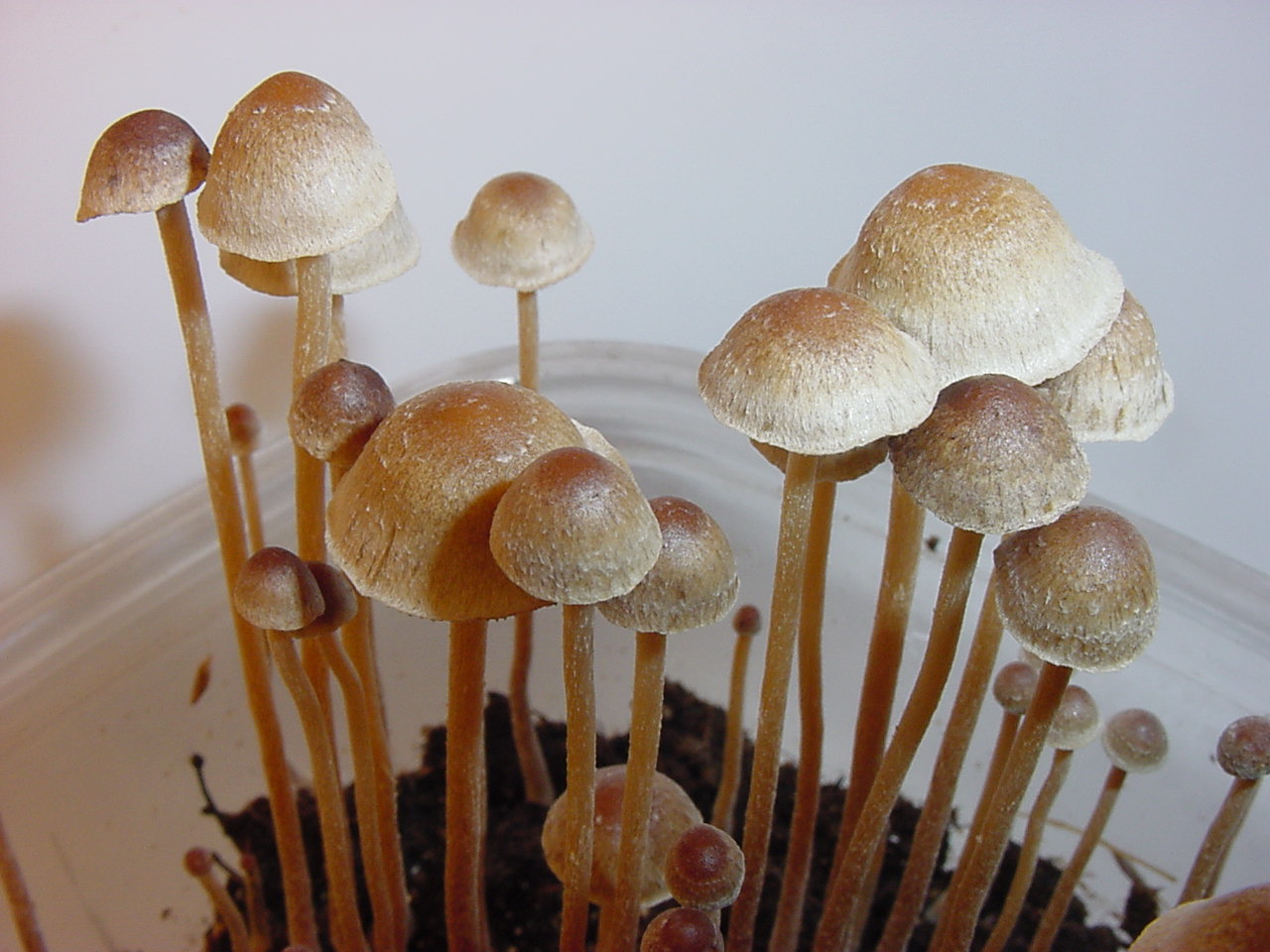
Photo by Workman · Wikimedia Commons · CC BY-SA 3.0
One of the rarest psilocybin mushrooms in the wild, found only once in nature near Tampa, Florida in 1977. Famous for producing psychoactive sclerotia ("magic truffles") that became the basis of the legal psychedelic market in the Netherlands. Contains controlled substances; illegal to possess in most countries. This page is for educational identification purposes only.
Psilocybe tampanensis has one of the most remarkable stories in mycology. The species was collected exactly once in the wild — by Steven Pollock in September 1977, on a sandy meadow near Tampa, Florida. Pollock, a physician and psychedelic researcher, recognized its significance and cloned the specimen before it was formally described. That single collection is the ancestor of virtually every Psilocybe tampanensis culture in existence today. Despite extensive searching, the species has never been found in the wild again.
What makes P. tampanensis truly unusual is its ability to produce sclerotia — dense, truffle-like masses of mycelium that form underground and contain psilocybin and psilocin. These "philosopher's stones" or "magic truffles" became commercially important in the Netherlands, where a legal loophole meant that while psilocybin mushrooms (fruiting bodies) were banned in 2008, sclerotia remained technically legal. This created a thriving above-ground market for psilocybin truffles in Dutch smart shops that continues today, and Psilocybe tampanensis is one of the primary species cultivated for this purpose.
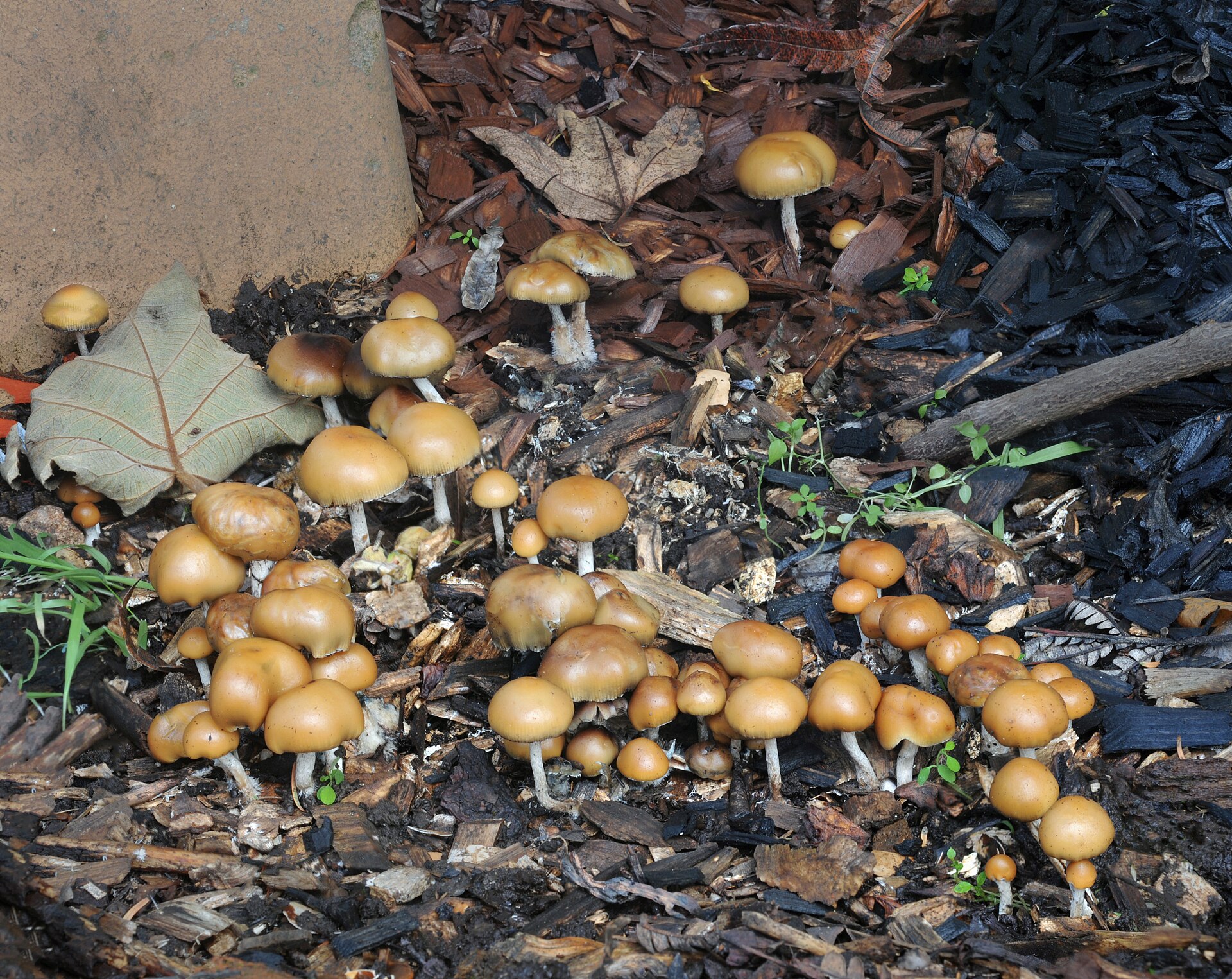
The fruiting body itself is small and unremarkable — a convex to flat brown cap on a thin stem, looking like countless other little brown mushrooms. The sclerotia, by contrast, are irregularly shaped brownish lumps that form in the substrate, somewhat resembling small truffles or pebbles. They can be stored for extended periods, making them more practical than fresh mushrooms.
Steven Pollock's story took a tragic turn — he was murdered in 1981 under mysterious circumstances that have never been fully resolved. Some have speculated the killing was connected to his psychedelic research, though this remains unproven. The cultures he preserved, however, live on, making his single Florida collection one of the most consequential mushroom finds in history.
Philosopher's Stone Facts
- ●The entire global supply of Psilocybe tampanensis descends from a single specimen found near Tampa, Florida in 1977 — the species has never been seen in the wild again.
- ●Its sclerotia ("magic truffles") fueled a legal psilocybin market in Dutch smart shops after fruiting bodies were banned in 2008, exploiting a loophole in the law.
- ●The discoverer, Dr. Steven Pollock, was murdered in 1981 under mysterious circumstances that remain unsolved to this day.
- ●The species name "tampanensis" refers to Tampa, Florida — making it one of the few psychoactive mushrooms named after an American city.
Stories From the Field
The Only One Ever Found
In September 1977, mycologist and physician Steven Pollock was attending a mushroom identification conference near Tampa, Florida when he spotted an unfamiliar small brown mushroom growing in a sandy meadow. He collected the specimen, recognized it as a new species of Psilocybe, and crucially, cloned the living tissue before it was formally described. That single find would become the progenitor of an entire industry — every cultivated Psilocybe tampanensis truffle in every Dutch smart shop traces back to Pollock's afternoon walk.
Where It's Been Found
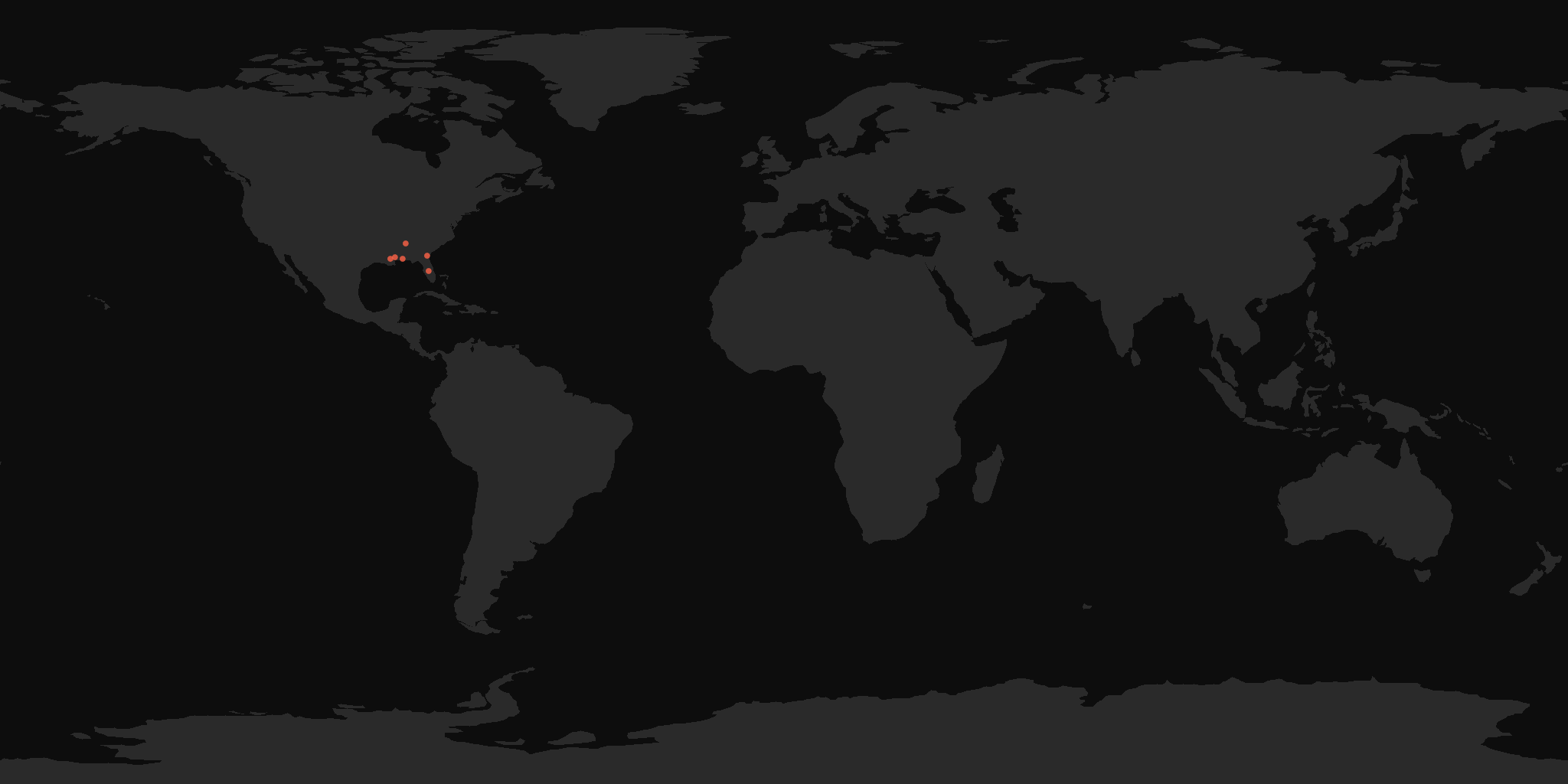
Based on reported sightings worldwide
How to Identify Philosopher's Stone
Cap
1-2.4 cm across. Convex to plane, sometimes with a slight umbo. Ochraceous-brown to straw-colored, paler when dry. Smooth, slightly sticky when moist. Hygrophanous.
Gills
Adnate, medium-spaced. Brown to dark purple-brown with age. Edges lighter.
Stem
2-6 cm tall, 1-2 mm thick. Thin, equal. Yellowish-brown, slightly darker at the base. Bruises blue when handled.
Spore Print
Purple-brown to dark purple-brown.
Mushrooms That Look Like Philosopher's Stone
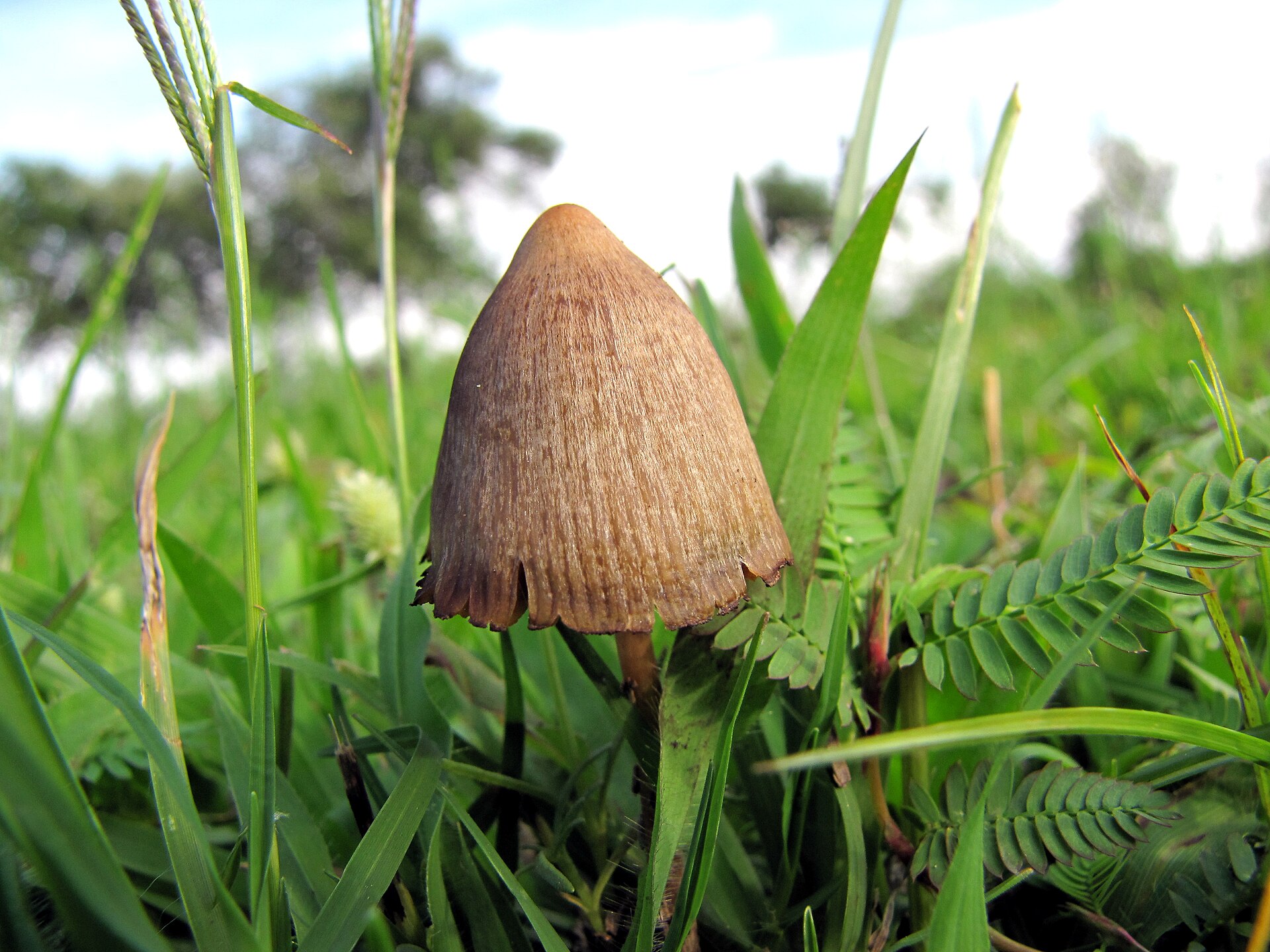
Similar small size and also produces sclerotia, but grows at high elevations in Mexican cloud forests. Has a more conical cap shape. Both contain psilocybin.
Side-by-side comparison →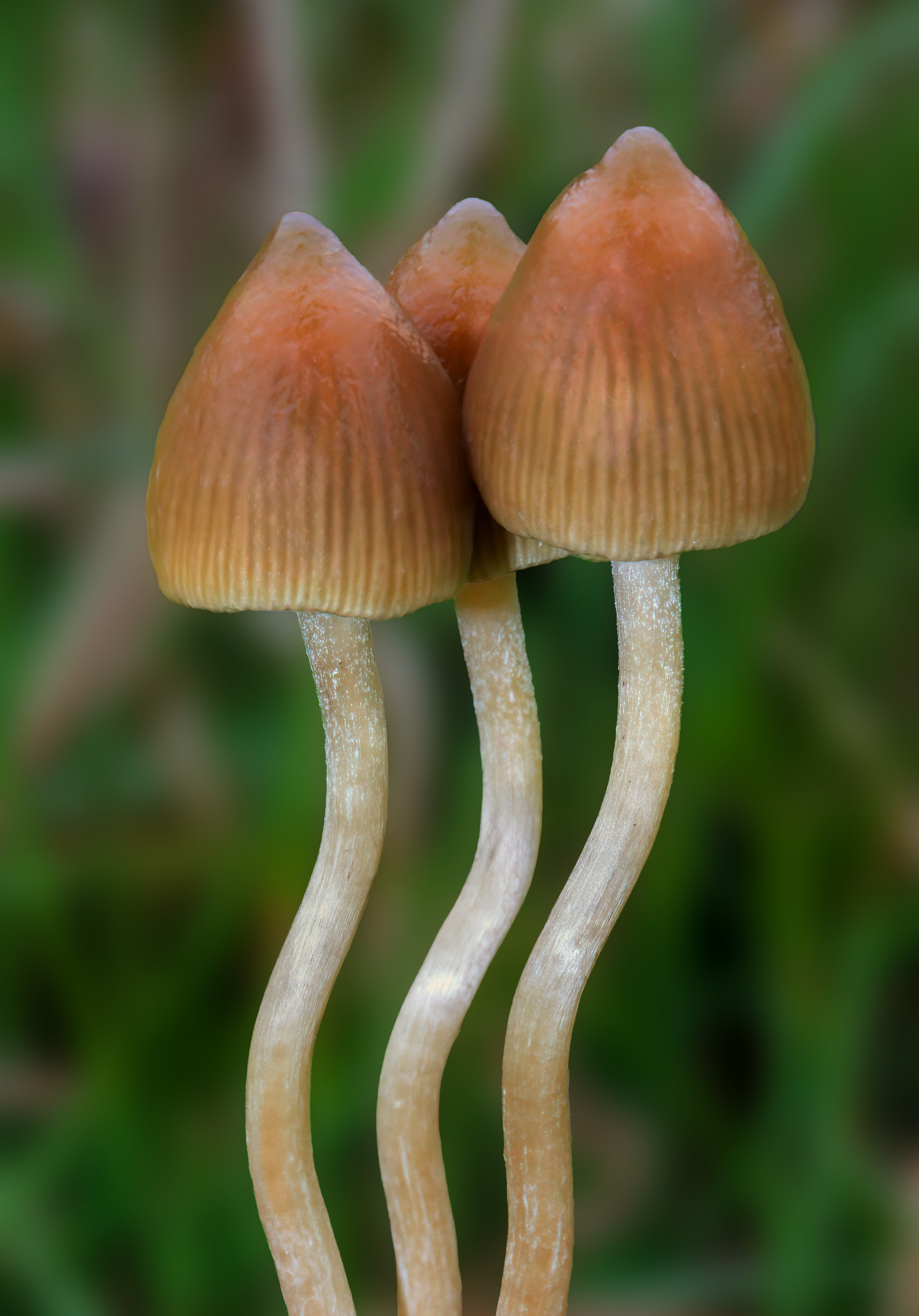
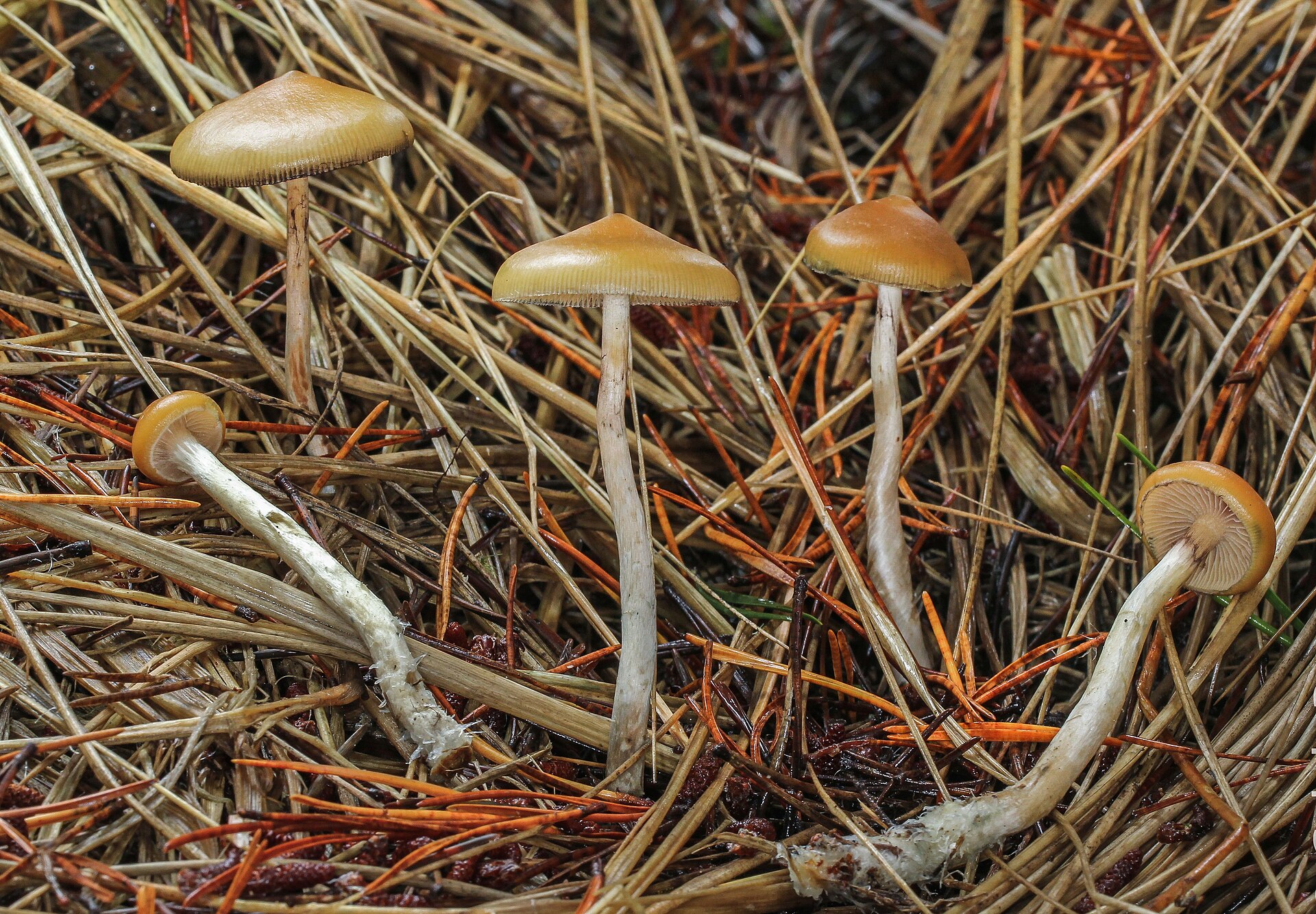
Similar size range but has a distinctly pointed, nipple-like cap with a gelatinous pellicle. Grows in temperate grasslands. Does not produce sclerotia.
Side-by-side comparison →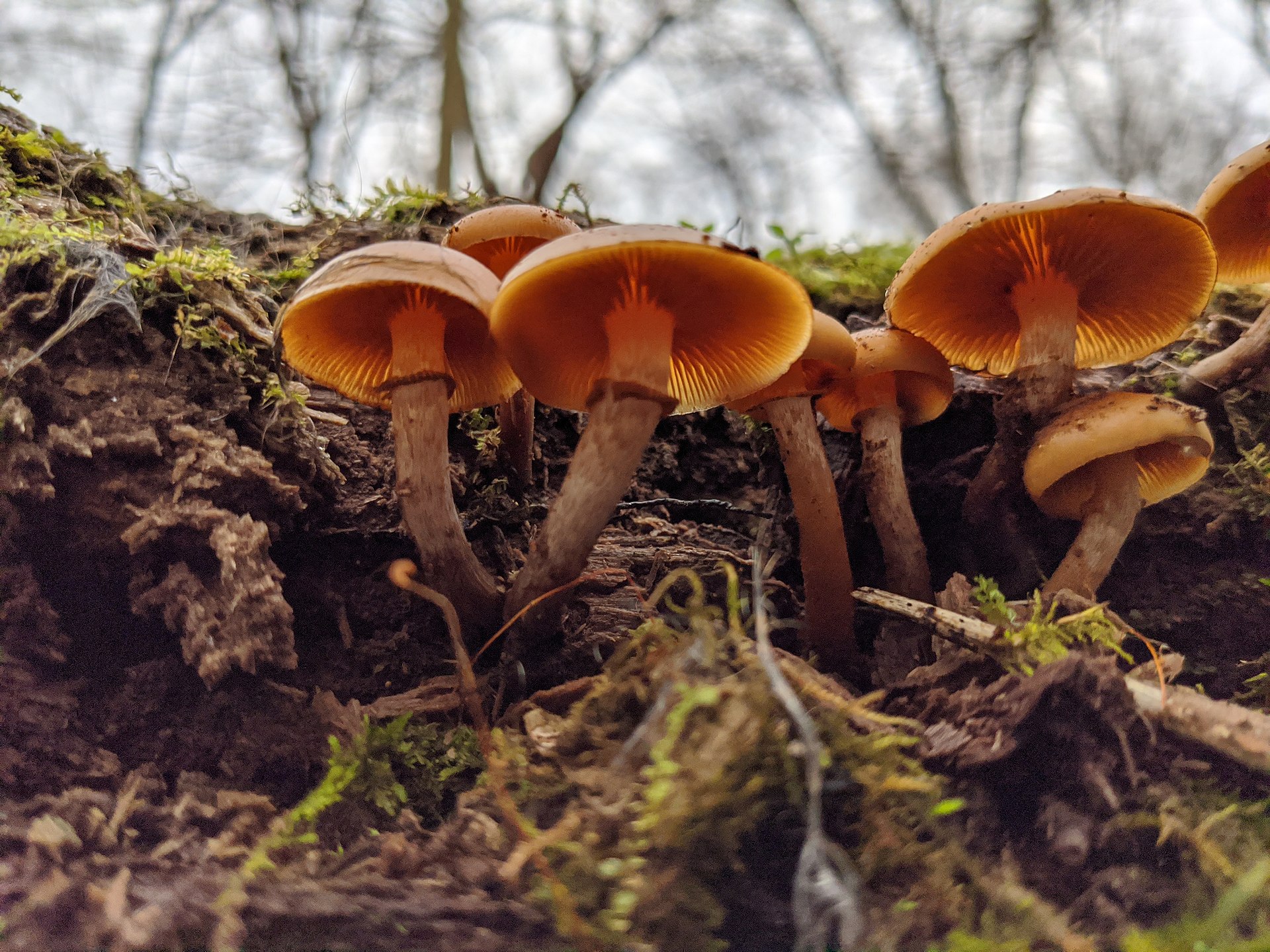
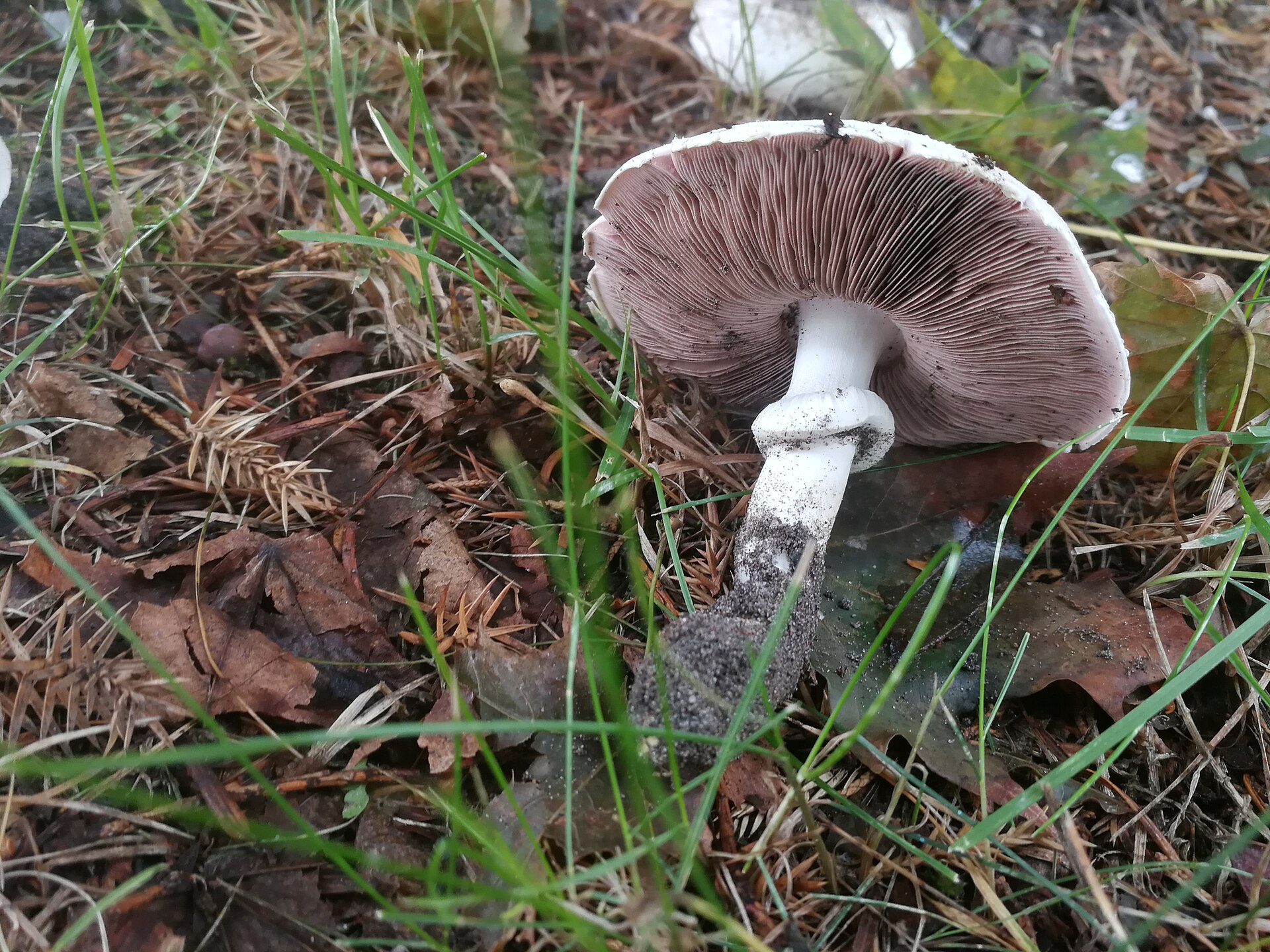
DEADLY POISONOUS. Similar small brown appearance but grows on decaying wood, has a ring on the stem, and produces rusty-brown spores (not purple-brown). Always verify with a spore print.
Side-by-side comparison →Is Philosopher's Stone Safe to Eat?
Contains psilocybin and psilocin, which are Schedule I controlled substances in the United States and illegal in most countries. The sclerotia ("magic truffles") contain the same psychoactive compounds. This species is documented for educational identification purposes only.
Always verify with local experts before consuming wild mushrooms.
Found something that looks like this in the wild? Don't guess — identify it from a photo with Orangutany and check it against look-alikes before you touch it.