Landslide Mushroom / Derrumbe
Psilocybe caerulescens
By Varun Vaid · Orangutany
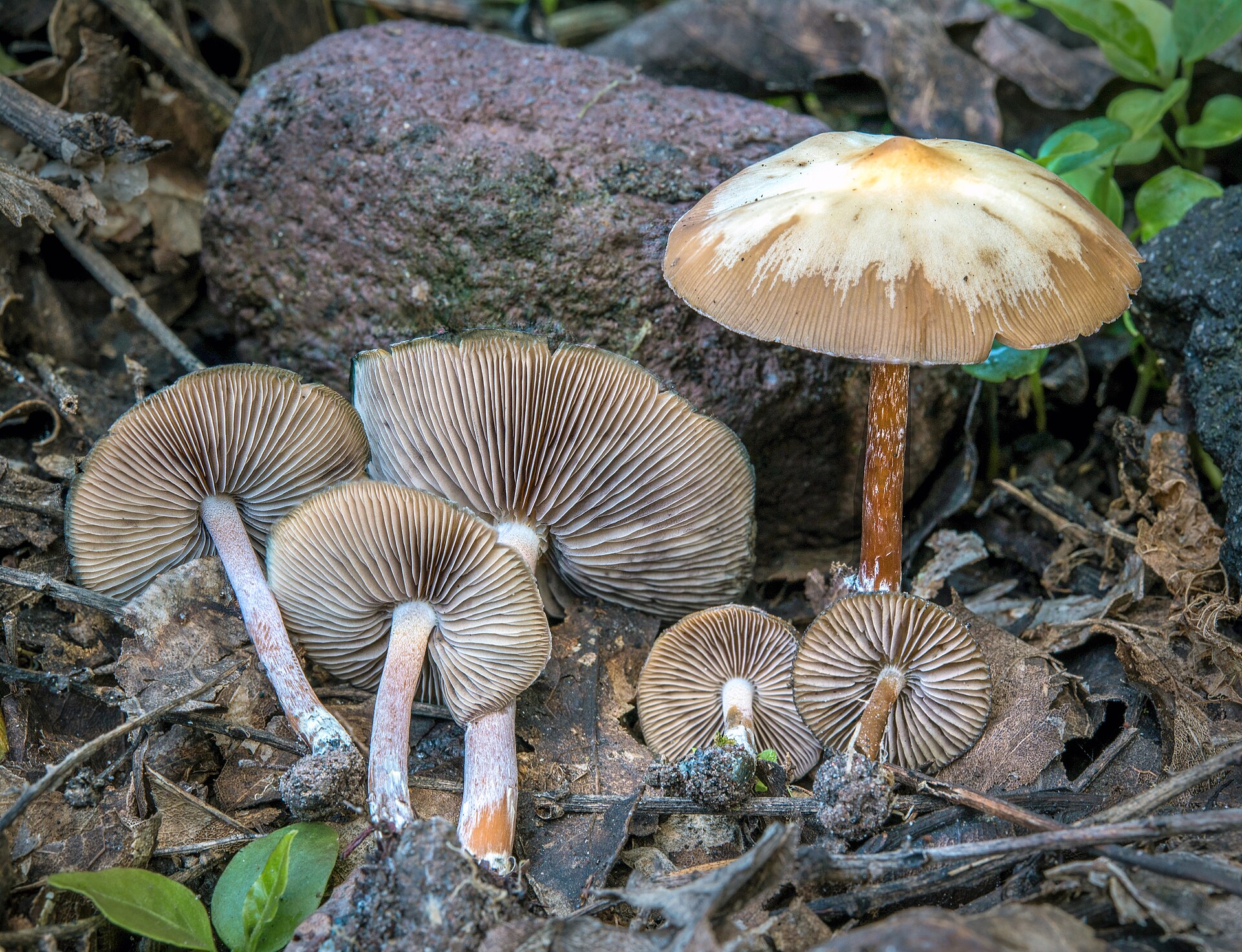
Photo by Alan Rockefeller · Wikimedia Commons · CC BY-SA 4.0
A psychoactive mushroom used in traditional Mazatec ceremonies alongside Psilocybe mexicana. Known locally as "derrumbe" (landslide) because it often fruits on disturbed earth after landslides and road cuts. Contains psilocybin; illegal in most jurisdictions. This page is for educational identification purposes only.
Psilocybe caerulescens — known to the Mazatec people as derrumbe, meaning "landslide" — is one of the sacred mushrooms used in traditional healing ceremonies in the mountains of southern Mexico. The name reflects its remarkable ecological habit: it fruits prolifically on disturbed, bare earth, particularly on landslide scars, road cuts, and freshly exposed soil along trails and stream banks. Where the earth has been torn open, derrumbe moves in.
This species was one of those encountered by R. Gordon Wasson during his pioneering visits to Mazatec communities in the 1950s, though it was Psilocybe mexicana that received most of the attention in his famous Life magazine article. The Mazatec curanderos recognized multiple species of sacred mushrooms and used them for different purposes — derrumbe was considered particularly potent.
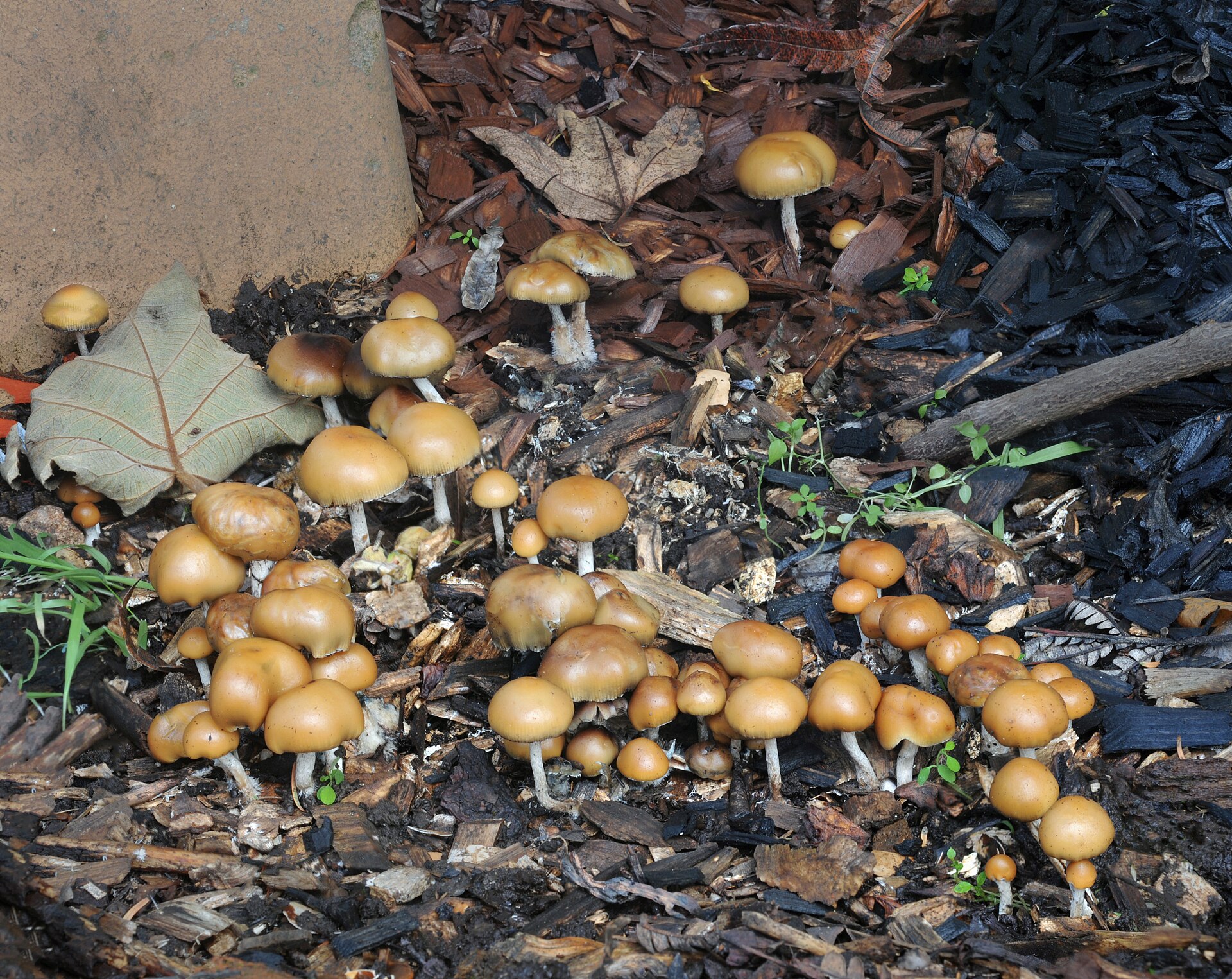
Psilocybe caerulescens is a medium-sized mushroom with a distinctive silvery-blue metallic sheen on the cap surface, particularly visible when young and fresh. The species name "caerulescens" means "becoming blue," referring both to this natural coloration and the intense blue bruising reaction that occurs when the flesh is damaged — a hallmark of psilocybin-containing species. The cap is hygrophanous, changing color dramatically as it dries.
The species grows at moderate to high elevations (500-1,700 meters) in southern Mexico and into South America, preferring the disturbed muddy or clayey soils along ravines, trails, and road cuts. It can fruit in large clusters after heavy rains, sometimes producing dozens of fruiting bodies from a single patch of exposed earth. This tendency to colonize disturbed ground made it one of the most reliably found sacred mushrooms in the Sierra Mazateca.
Landslide Mushroom Facts
- ●The name "derrumbe" means landslide in Spanish — it fruits on freshly exposed earth after landslides, road construction, and trail erosion.
- ●The silvery-blue metallic sheen on fresh caps is distinctive among Psilocybe species and gave rise to the species name "caerulescens" (becoming blue).
- ●Mazatec curanderos distinguished between multiple sacred mushroom species and considered derrumbe among the more potent varieties.
- ●After heavy rains in the Sierra Mazateca, dozens of fruiting bodies can appear overnight on a single landslide scar.
Stories From the Field
The Landslide Healer
In Mazatec tradition, derrumbe was valued not just for its psychoactive properties but for where it chose to grow. The mushroom's habit of appearing on landslide scars — places where the earth had been violently torn open — was seen as metaphorically significant. Just as the earth was broken open to reveal something new, the mushroom was believed to open the mind to healing. Curanderos would sometimes seek out fresh landslide sites specifically to collect derrumbe for ceremonies.
Where It's Been Found
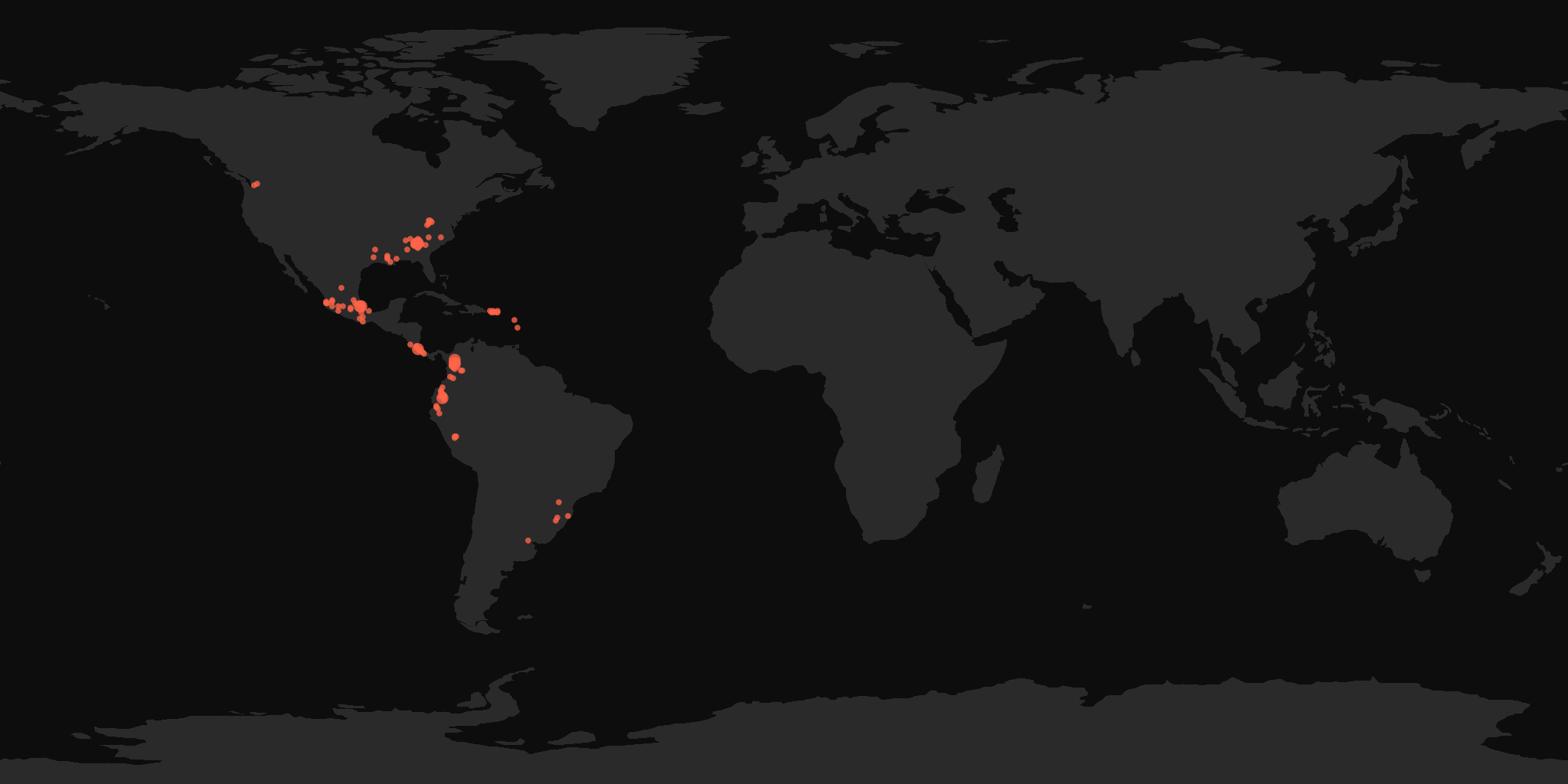
Based on reported sightings worldwide
How to Identify Landslide Mushroom
Cap
2-6 cm across. Convex to broadly convex, sometimes with a low umbo. Silvery-blue to olive-brown with a distinctive metallic or greasy sheen when fresh. Hygrophanous — dries to pale straw or beige. Surface smooth, sometimes with a slight gelatinous feel.
Gills
Adnate to slightly sinuate, close to moderately spaced. Grayish when young, becoming dark purple-brown with maturity. Edges often lighter or whitish.
Stem
4-10 cm tall, 3-7 mm thick. White to pale brownish, silky-fibrous. Equal or slightly enlarged at the base. Bruises strongly blue-green when handled. Partial veil leaves a faint fibrous zone.
Spore Print
Dark purple-brown to blackish-purple.
Mushrooms That Look Like Landslide Mushroom
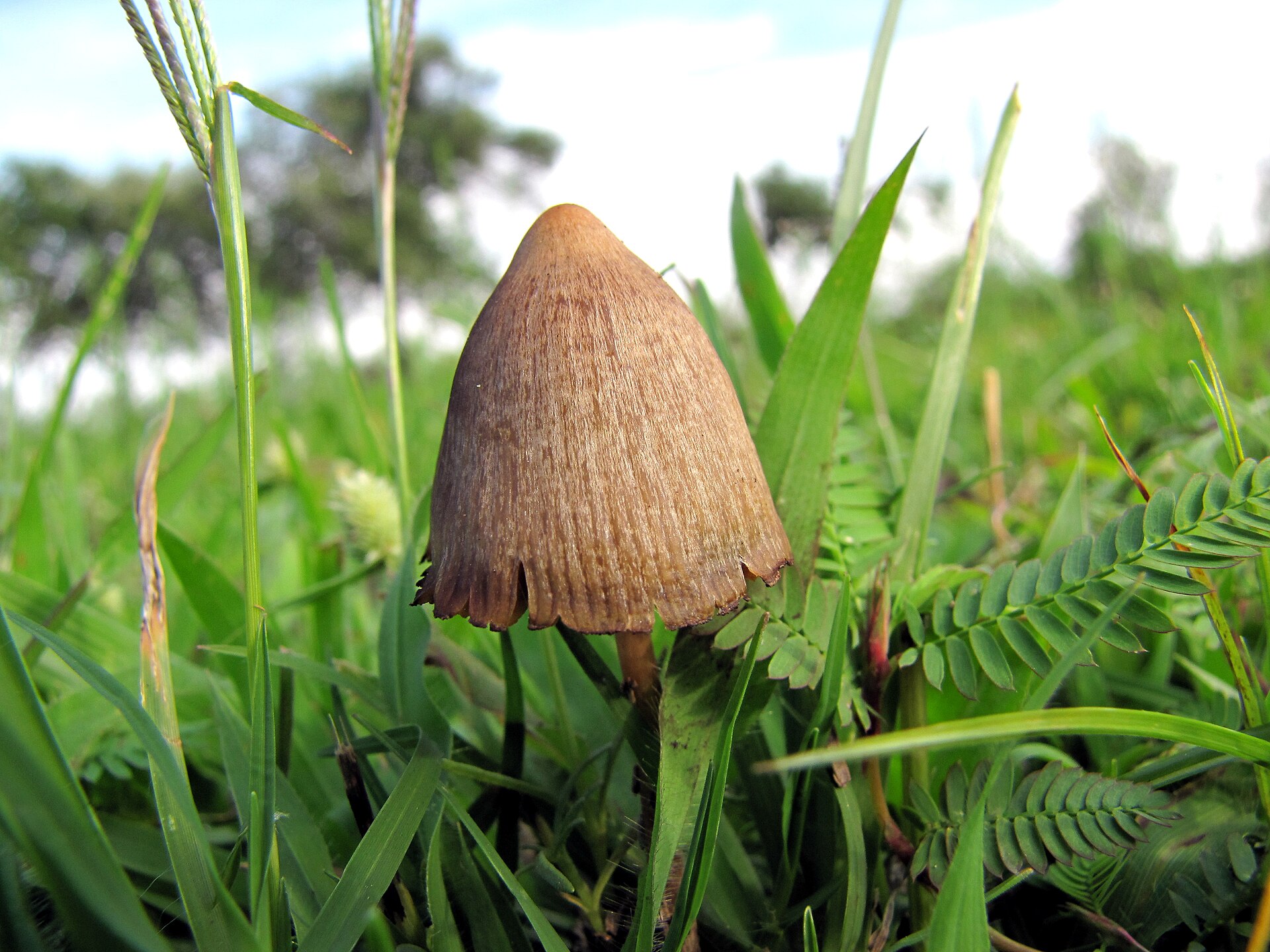
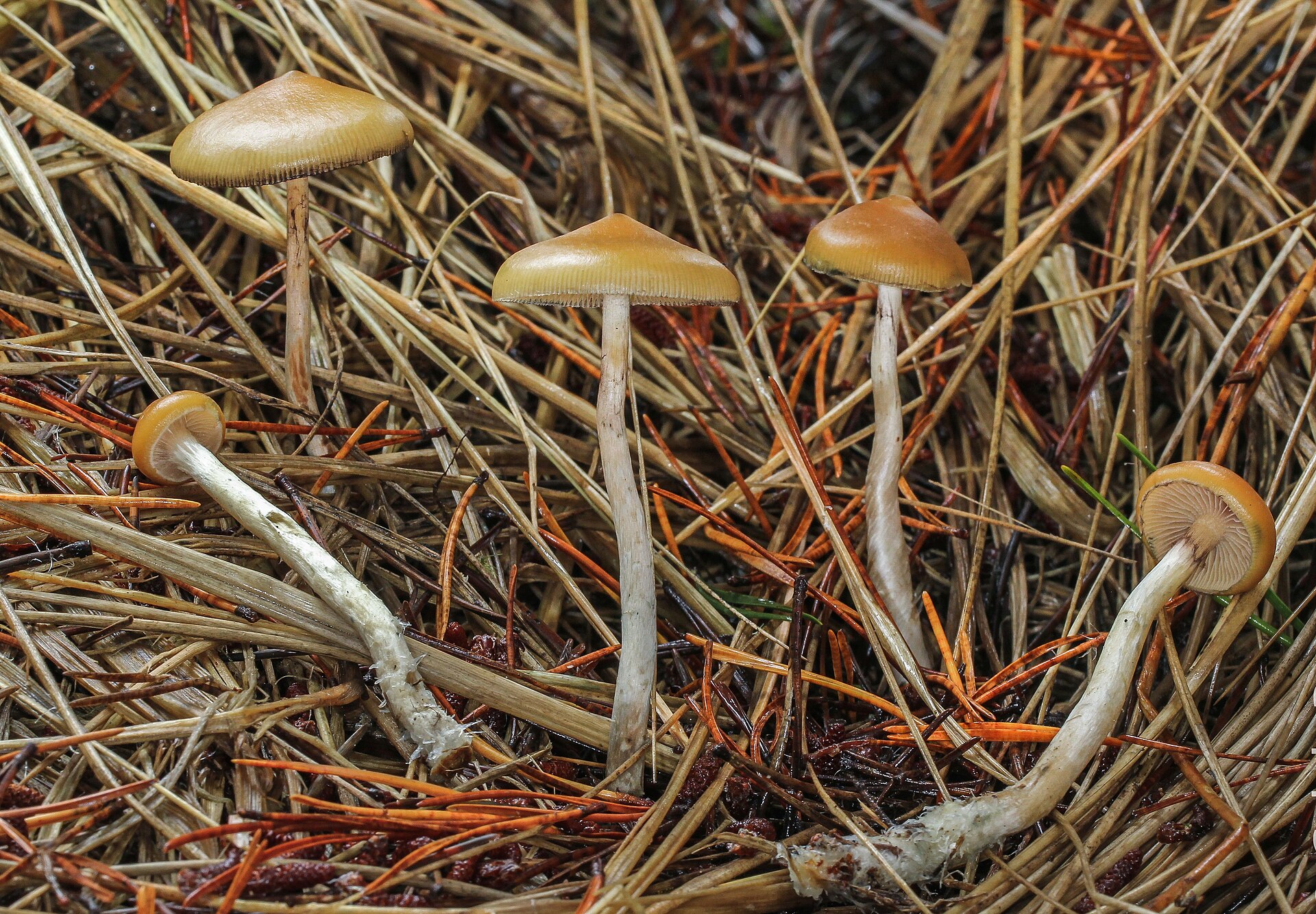
Smaller (cap 1-3 cm vs 2-6 cm), grows in grassy meadows rather than bare disturbed earth. More conical cap shape. Both contain psilocybin and are used in Mazatec ceremonies.
Side-by-side comparison →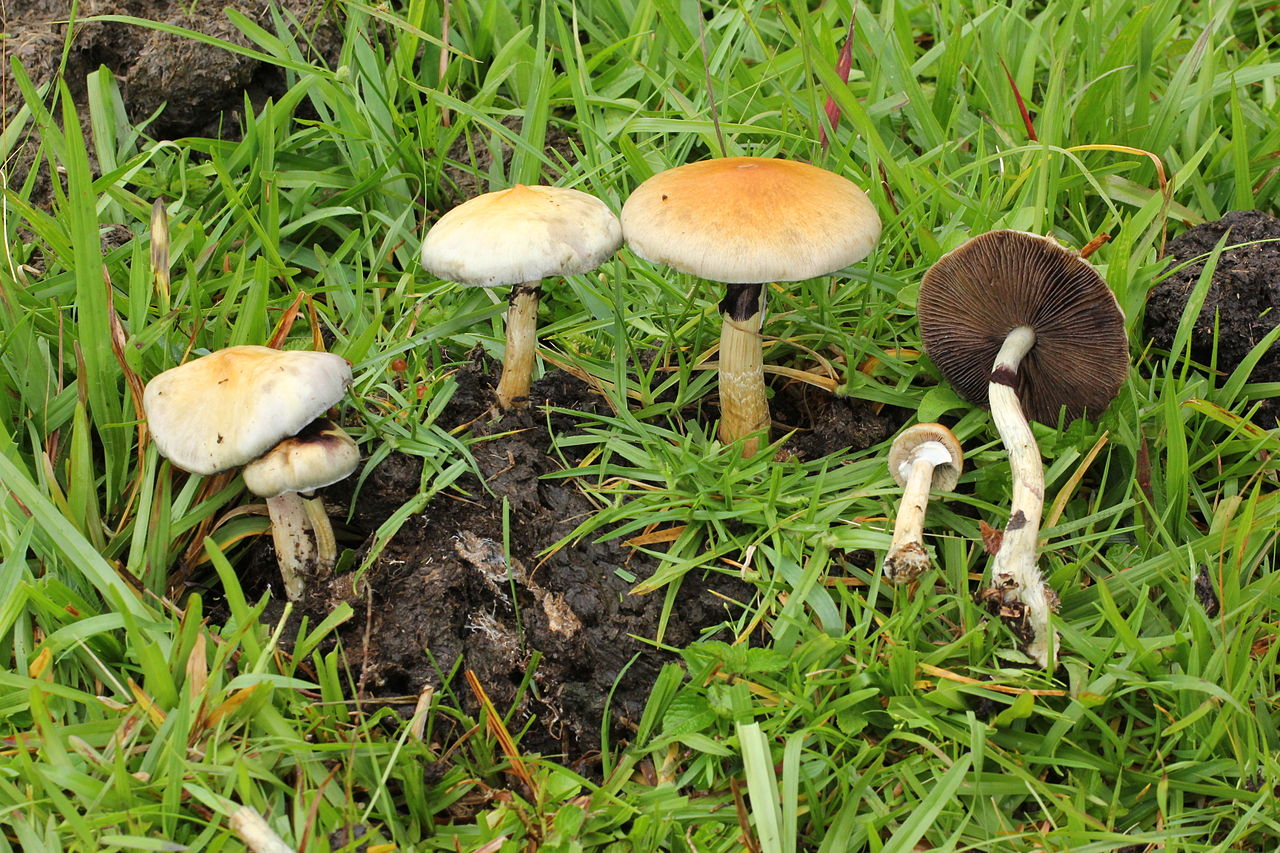
Larger, golden-brown mushroom that grows on dung in lowland tropical pastures, not on bare montane soil. Lacks the silvery-blue metallic sheen of P. caerulescens.
Side-by-side comparison →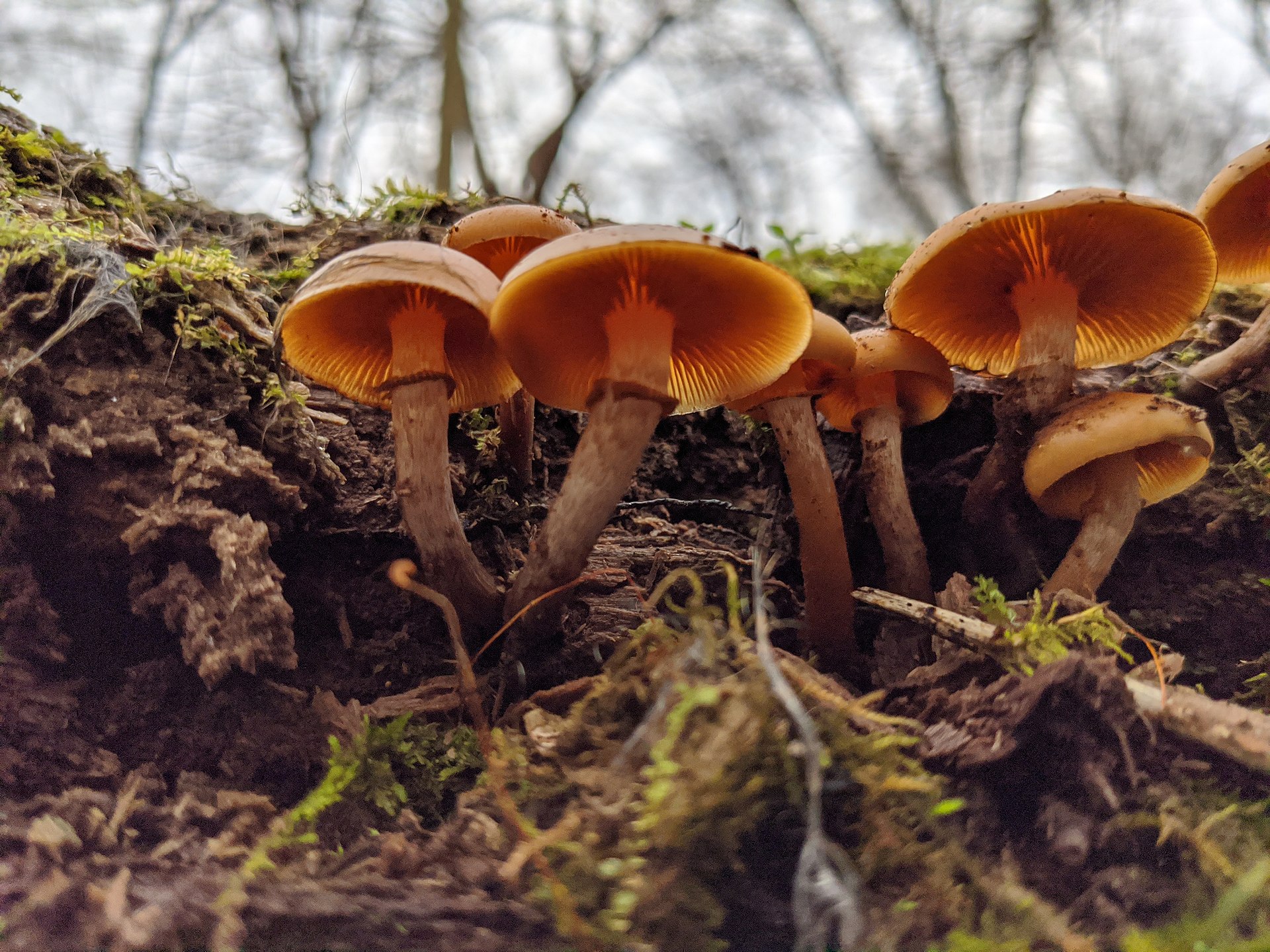
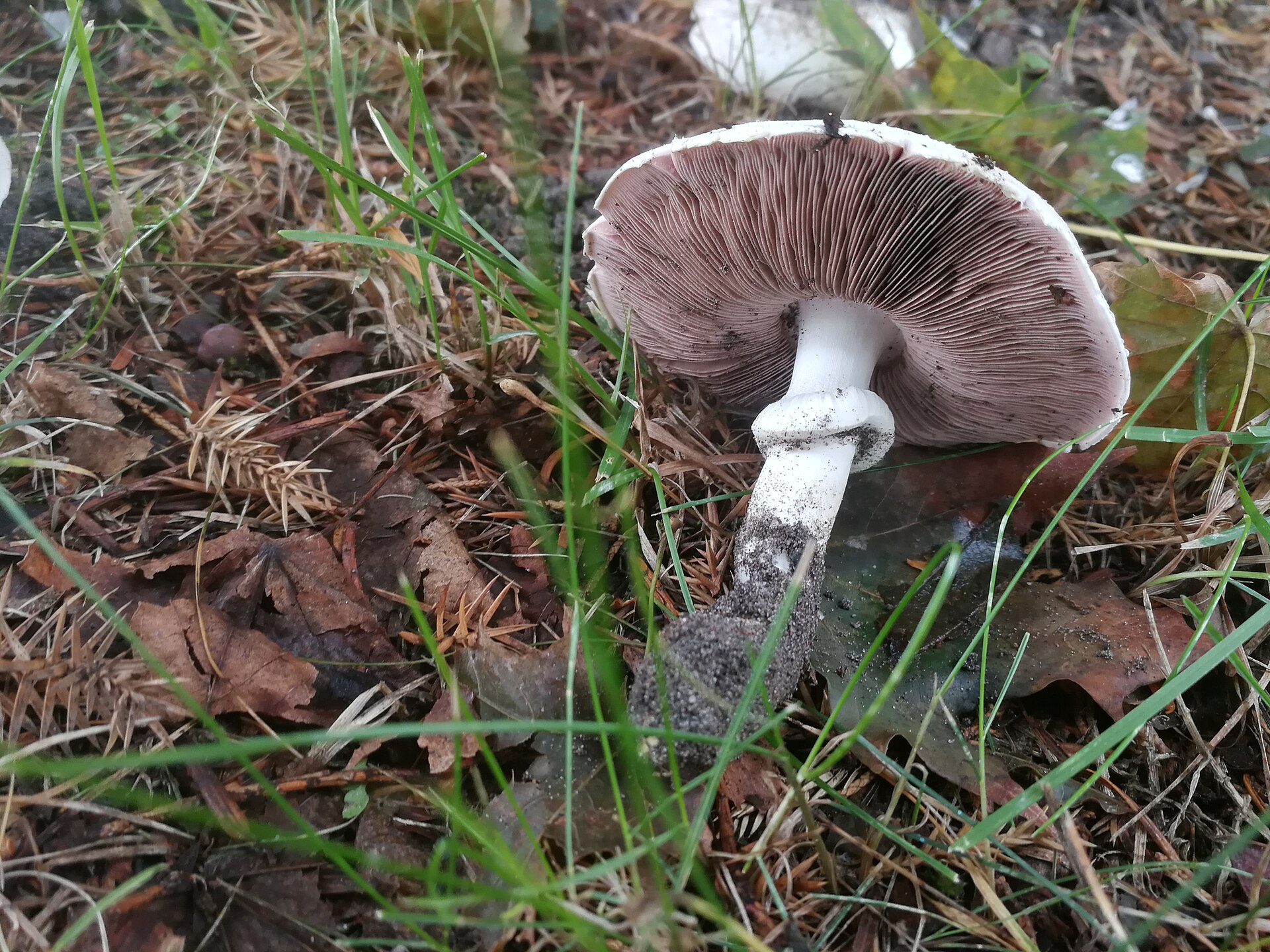
DEADLY POISONOUS. Grows on decaying wood, not bare soil. Has a prominent ring and rusty-brown spore print (not purple-brown). Does not bruise blue.
Side-by-side comparison →Is Landslide Mushroom Safe to Eat?
Contains psilocybin and psilocin, classified as controlled substances in most countries. Possession and consumption carry serious legal consequences. Documented here for educational identification purposes only.
Always verify with local experts before consuming wild mushrooms.
Found something that looks like this in the wild? Don't guess — identify it from a photo with Orangutany and check it against look-alikes before you touch it.