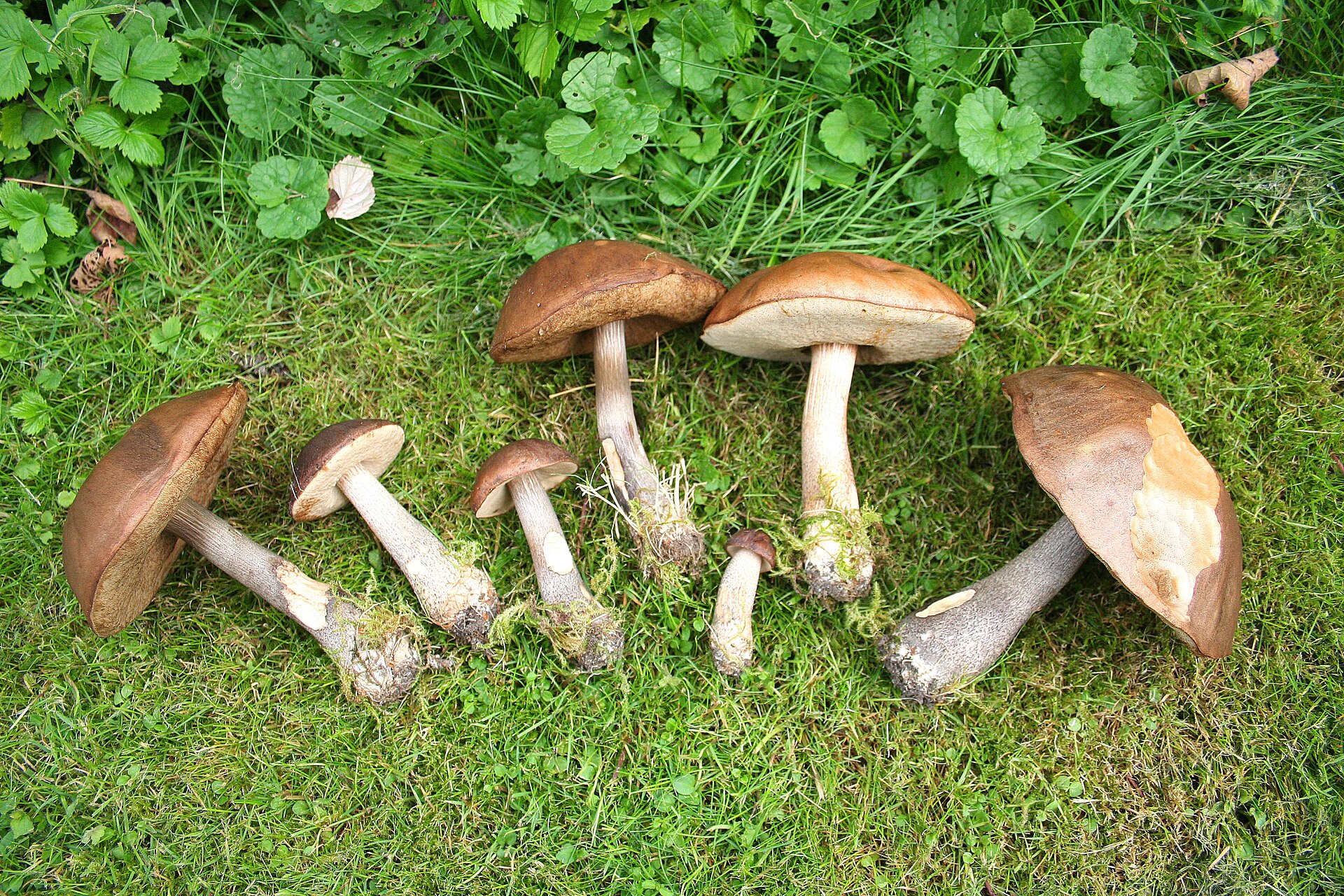
Photo by Jean-Pol GRANDMONT · Wikimedia Commons · CC BY 3.0
A reliable, beginner-friendly bolete found exclusively under birch trees across the Northern Hemisphere. Not the most glamorous mushroom in the basket, but the Brown Birch Bolete is the dependable workhorse of European and North American foraging: abundant, easy to identify, and perfectly good eating when picked young and firm.
If porcini is the celebrity chef of the bolete world, Leccinum scabrum is the line cook who shows up every shift without complaint. It lacks the knockout umami punch of Boletus edulis, but it makes up for it in sheer reliability. Find a birch tree in late summer or autumn, and there is a solid chance you will find Brown Birch Boletes nearby. They are one of the most common mycorrhizal mushrooms in birch forests from Scandinavia to Siberia, from Scotland to the Pacific Northwest.
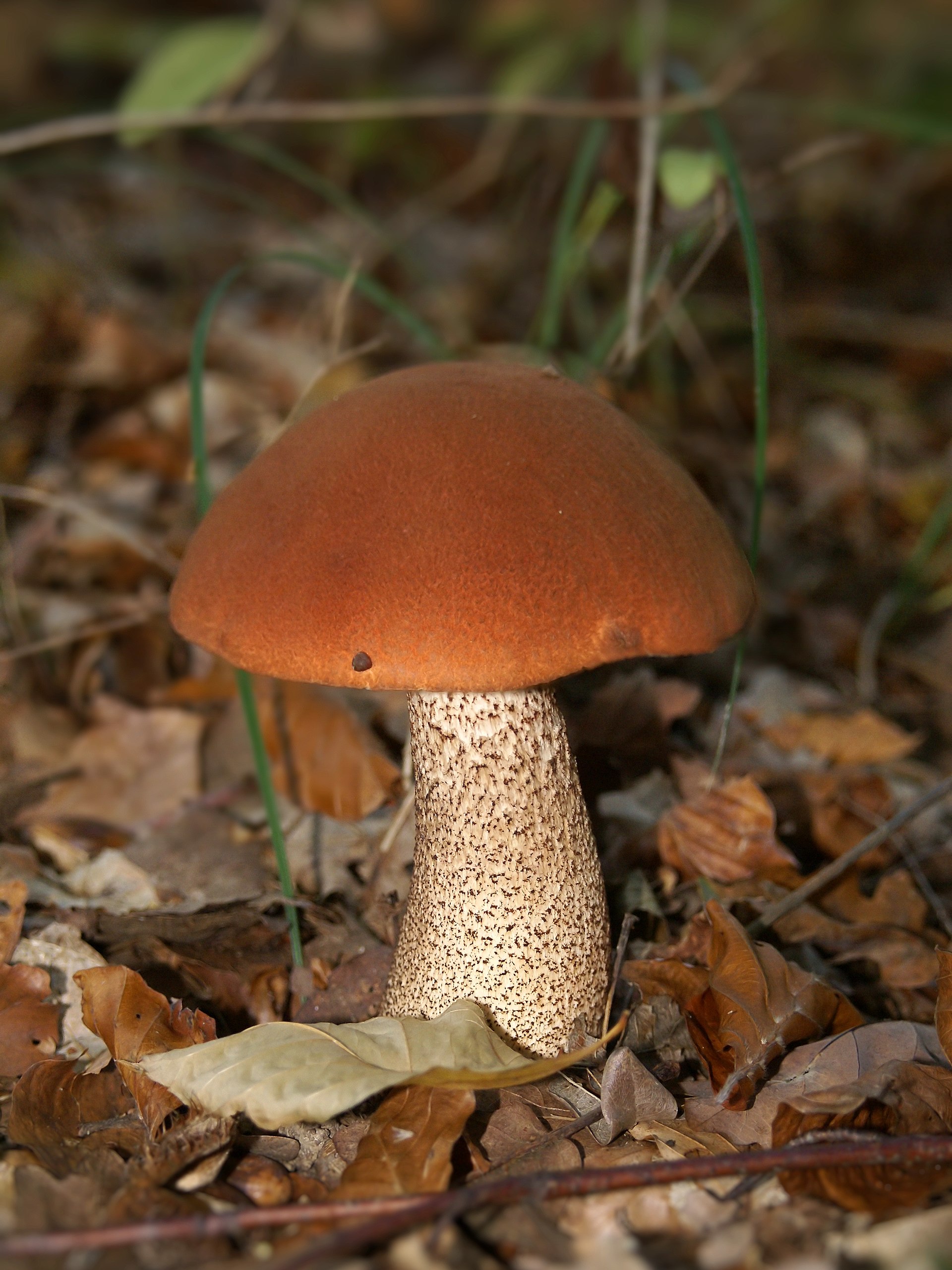
The key identification feature is right in the name: the stem is covered in rough, dark scabrous scales (scabers) that look like someone flicked tiny specks of dark paint onto a white background. These scales darken with age, turning from pale gray to near-black. The cap is a warm brown, smooth and slightly sticky when wet, sitting on top of a tall, slender stem that is much thinner than a porcini's.
Texture is the main knock against this species. The flesh is softer than porcini, and it tends to get spongy or waterlogged quickly after picking. Experienced foragers know to collect only young, firm specimens and to cook them promptly. Dried Brown Birch Boletes are significantly better than fresh ones for long-term use, as drying firms up the texture and concentrates what mild flavor they have.
In Scandinavia and Russia, this mushroom is a staple. It is one of the first species children learn to pick, and it fills pantries across Finland, Sweden, and the Baltic states every autumn. Russians call it podoberezovik, literally 'under-birch,' which tells you everything you need to know about where to find it.
Brown Birch Bolete Facts
- ●The name 'scabrum' comes from Latin for 'rough,' referring to the distinctive dark scales on the stem that make this species one of the easiest boletes to identify.
- ●Brown Birch Boletes are so tightly linked to birch trees that mycologists use their presence as a biological indicator of birch root networks in mixed forests.
- ●In Finland, an estimated 2-6 million kilograms of wild mushrooms are picked annually, and Leccinum species make up a major portion of the harvest.
- ●The flesh of Brown Birch Boletes does not stain when cut, which helps distinguish it from several related Leccinum species whose flesh turns pink, gray, or black.
Stories From the Field
Finland's National Mushroom Harvest
In Finland, Brown Birch Boletes make up a significant portion of the annual wild mushroom harvest. Finnish law guarantees 'everyman's right' (jokamiehen oikeus), allowing anyone to pick mushrooms freely in any forest. Families head out with woven baskets every August, and podoberezovik (or tatti, as Finns call boletes) is the bread and butter of the haul.
The Russian Grandmother's Pickling Tradition
In Russian kitchens, Brown Birch Boletes are traditionally preserved by marinating in vinegar with bay leaves, peppercorns, and garlic. Every babushka has her own recipe, passed down through generations. The pickled mushrooms appear on holiday tables throughout winter, served alongside black bread and sour cream.
A Beginner's First Confident ID
A popular post on the UK's Wild Food forum described a first-time forager's delight at finding Brown Birch Boletes: 'I walked into a birch grove and there they were, dozens of them. The scabrous stems made them unmistakable. For the first time, I felt 100% confident in what I was picking.' The species is frequently recommended as one of the best starter mushrooms for new foragers.
Where It's Been Found
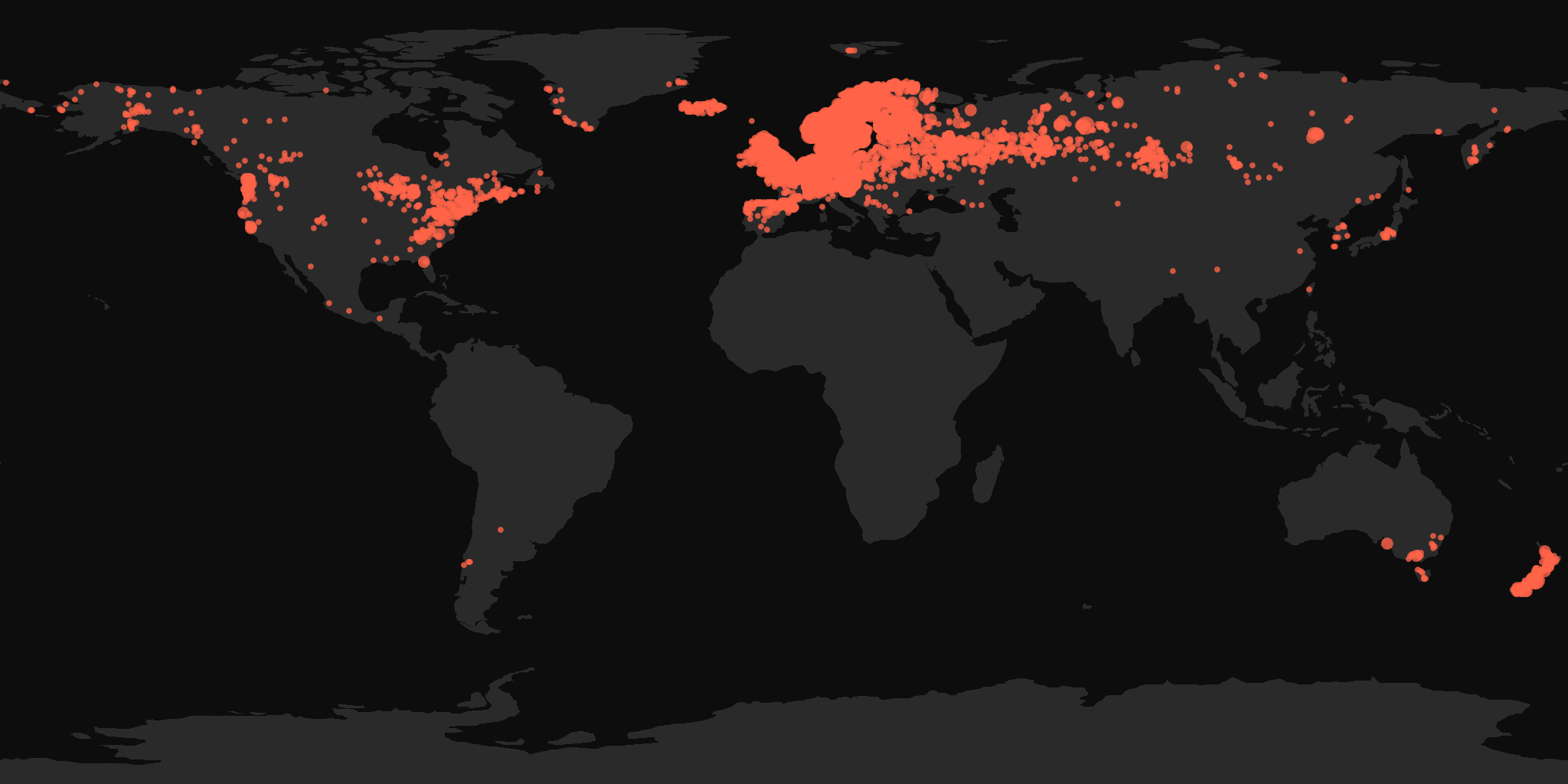
Based on reported sightings worldwide
How to Identify Brown Birch Bolete
Cap
5-15 cm across, convex becoming flatter with age. Smooth, slightly greasy when wet. Color ranges from tan to dark brown, occasionally grayish brown. Margin sometimes slightly overhanging the pore surface.
Gills
No gills. Pore surface is white when young, becoming grayish or brownish with age. Pores are small, round, and do not bruise significantly when pressed.
Stem
10-20 cm tall, 2-4 cm thick. White to pale gray, covered in distinctive rough dark scales (scabers) that become more pronounced and darker with age. Straight or slightly curved, often tapering slightly toward the top.
Spore Print
Olive-brown to yellowish brown.
Odor
Mild, pleasant, slightly mushroomy. Nothing distinctive.
Mushrooms That Look Like Brown Birch Bolete
Orange Birch Bolete (Leccinum aurantiacum)
Very similar structure and habitat, but the cap is distinctly orange to reddish-orange rather than brown. The flesh also stains grayish to dark when cut. Both are edible.
Read more on iNaturalist →Mottled Bolete (Leccinum variicolor)
Cap is mottled with patches of gray, brown, and whitish tones rather than uniform brown. Also found under birch. Edible but less common. Flesh may stain pinkish then gray when cut.
Read more on Wikipedia →Bitter Bolete (Tylopilus felleus)
Can look similar at a glance, but grows near conifers rather than birch. The stem has a brownish net pattern instead of scabers, pores turn pinkish with age, and the taste is intensely bitter.
Read more on iNaturalist →Is Brown Birch Bolete Edible?
Edible and widely eaten, especially in Scandinavia and Eastern Europe. Best when young and firm. Older specimens become soft and waterlogged. The texture improves significantly with drying. Cook thoroughly before eating. Remove the pore layer on mature specimens, as it becomes slimy when cooked.
Always verify with local experts before consuming wild mushrooms.
Found something that looks like this in the wild? Don't guess — identify it from a photo with Orangutany and check it against look-alikes before you touch it.