Photo by This image was created by user Gerhard Koller (Gerhard) at Mushroom Observer, a source for mycological images.You can co · Wikimedia Commons · CC BY-SA 3.0
The warm-weather cousin of the king bolete. Summer ceps fruit earlier in the season than Boletus edulis, bridging the gap between spring morels and autumn porcini with the same rich, nutty flavor that makes ceps royalty among wild mushrooms.
For foragers who cannot wait until autumn for porcini season, Boletus reticulatus is the answer. This summer-fruiting cep appears as early as May in warm climates and continues through September, filling the months when Boletus edulis is still dormant. The two species are closely related, equally delicious, and can be used interchangeably in the kitchen.
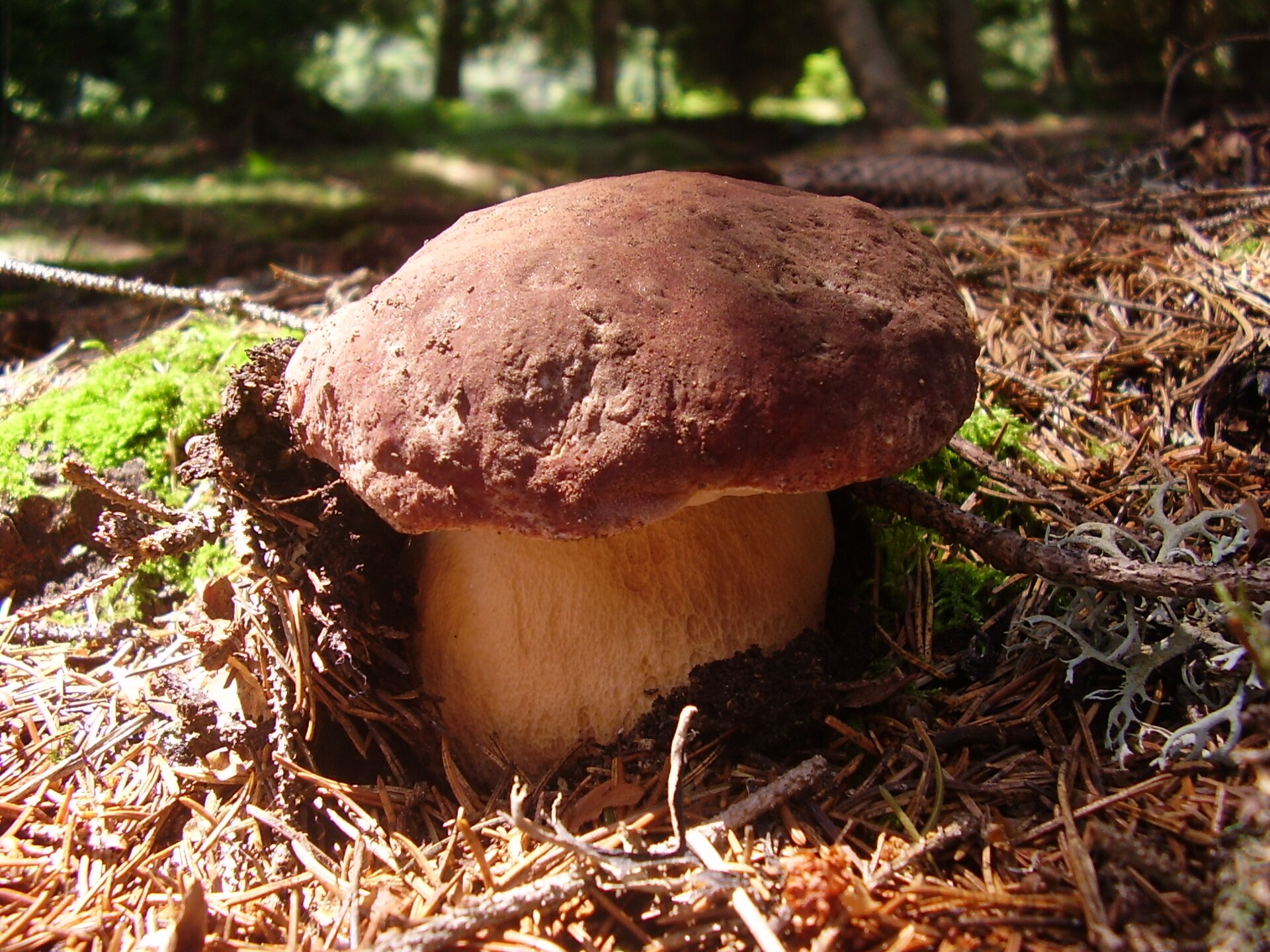
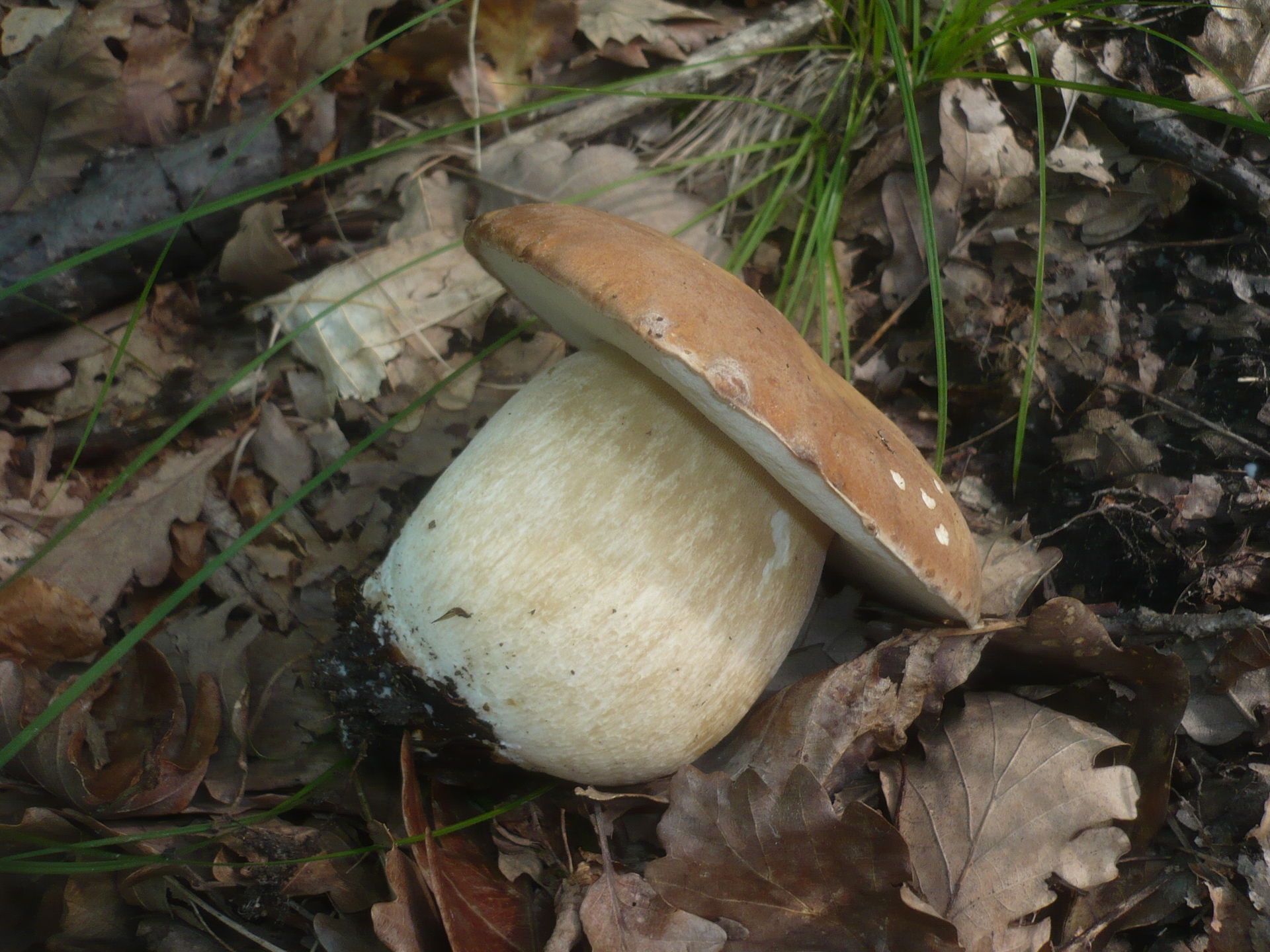
The summer cep is distinguished from its autumn cousin by its lighter, more velvety cap surface, which has a dry, suede-like texture rather than the slightly sticky surface of B. edulis. The cap color ranges from pale brown to dark brown, often with a distinctly matte, almost powdery appearance. The reticulation (net-like pattern) on the stem is typically more pronounced and extends further down the stalk, which gave the species its Latin name.
In southern Europe, especially Italy and southern France, the summer cep is the first porcini of the year and is greeted with genuine excitement. Italian markets start displaying 'porcini estivi' in June, and restaurants adjust their menus accordingly. The flesh is white, firm, and does not change color when cut. The flavor is rich, nutty, and deeply savory, with a texture that holds up beautifully to slicing and sauteing. Like all ceps, summer porcini dry exceptionally well.
Summer Cep Facts
- ●In Italian markets, summer ceps (porcini estivi) command the same price as autumn porcini because the flavor and quality are virtually identical.
- ●The reticulation pattern on the stem of Boletus reticulatus is one of the finest and most extensive in the Boletus genus, which is how the species got its Latin name (reticulatus means 'net-like').
- ●Summer ceps are more prone to insect larvae than autumn porcini because warm temperatures accelerate insect activity. Experienced foragers harvest them young and firm to minimize worm damage.
- ●Boletus reticulatus was one of the first cep species to be formally separated from the Boletus edulis complex, though many foragers still treat all ceps as a single culinary entity.
Stories From the Field
First Porcini of the Season in Tuscany
A truffle and mushroom hunter in the hills near Arezzo described finding the first summer ceps of 2021 in late May, growing under centuries-old oaks in a pastoral landscape. 'The Italians do not distinguish much between summer and autumn porcini,' he said. 'To them, a porcino is a porcino. But the summer ones have this velvety cap that I find even more beautiful than the autumn ones.'
The Bitter Bolete Mistake
A forager in southern France added what he thought was a summer cep to a large batch of sauteed mushrooms. One bite revealed the catastrophe: it was Tylopilus felleus. The entire pan was inedible, ruined by the overwhelming bitterness. He now does a mandatory taste test on every bolete before it goes in the pan.
Summer Ceps at the Portuguese Market
At a weekend market in Evora, Portugal, a vendor was selling summer ceps alongside black truffles and wild asparagus. The porcini were freshly picked that morning from cork oak woodland. Buyers were selecting individual mushrooms with the care of someone choosing avocados, pressing the caps to check firmness and inspecting the pores for worm damage.
The Oak Savanna Spot
A German forager described his secret summer cep spot: an old oak savanna in Bavaria where scattered trees grow in a sun-drenched meadow. 'The warm soil and open canopy create perfect conditions,' he explained. 'B. reticulatus loves heat. It appears here three months before B. edulis shows up in the deeper forest.'
Where It's Been Found

Based on reported sightings worldwide
How to Identify Summer Cep
Cap
5-20 cm across. Convex, expanding to broadly convex with age. Color is pale brown to medium brown, sometimes with a grayish or olive tint. Surface is distinctly dry and velvety or suede-like (not sticky), often appearing matte or slightly cracked in dry weather. Flesh is white and does not change color when cut.
Gills
No gills. Like all boletes, the underside has a sponge-like layer of tubes ending in small round pores. Pores are white when young, becoming yellowish to olive-yellow with age. Do not bruise blue.
Stem
6-15 cm tall, 3-6 cm thick. Swollen, club-shaped, especially when young. Pale brown to whitish. Covered with a prominent, fine white reticulation (net-like raised pattern) that typically extends over most of the stem surface. Solid and firm throughout.
Spore Print
Olive-brown.
Odor
Pleasant, nutty, with a rich mushroomy quality. Stronger when dried.
Mushrooms That Look Like Summer Cep
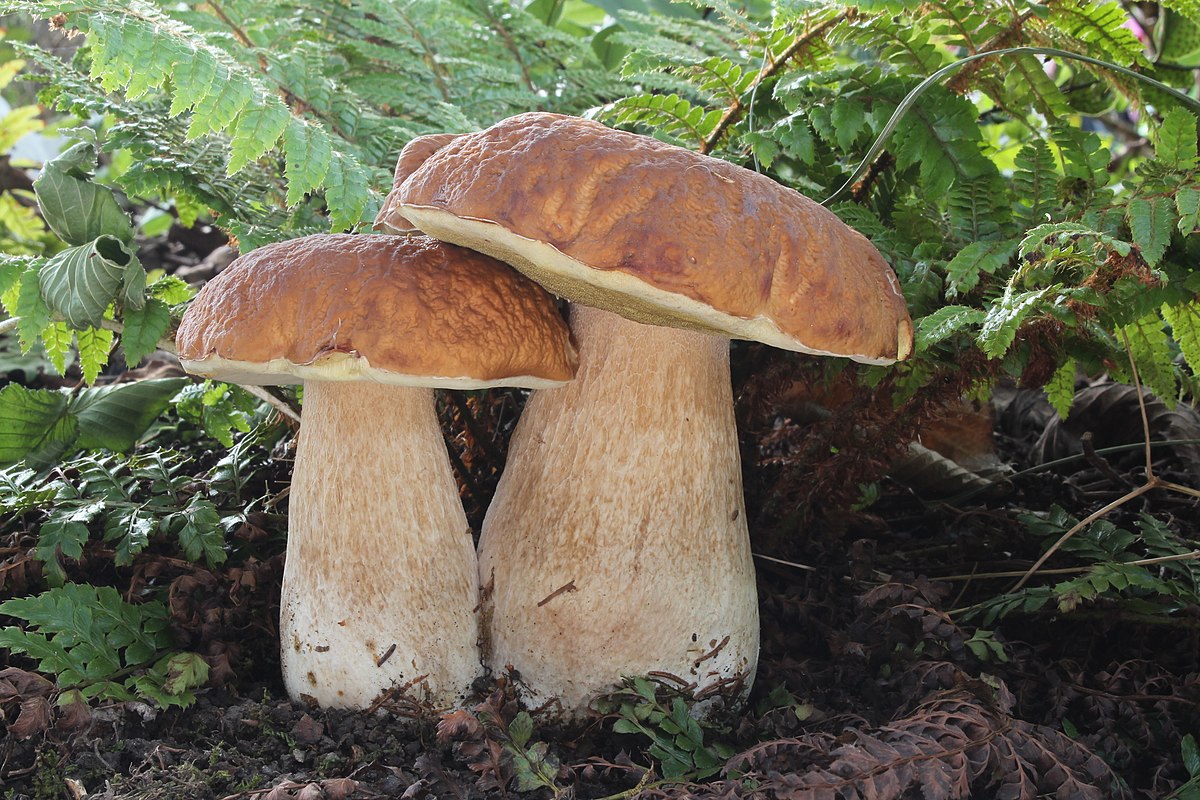
Very similar and equally edible. B. edulis has a slightly sticky or greasy cap surface (not dry and velvety), tends to be darker brown, and typically fruits later in autumn. The reticulation on the stem is usually less extensive. Both are premier edibles, so confusion between them is harmless.
Side-by-side comparison →Tylopilus felleus (Bitter Bolete)
Similar shape and brown cap but has pink to pinkish-brown pores (not white to yellow-green) and a brown reticulation on the stem (not white). Extremely bitter taste. One tiny nibble of the flesh reveals the bitter flavor instantly. Not toxic but ruins any dish it touches.
Read more on Wikipedia →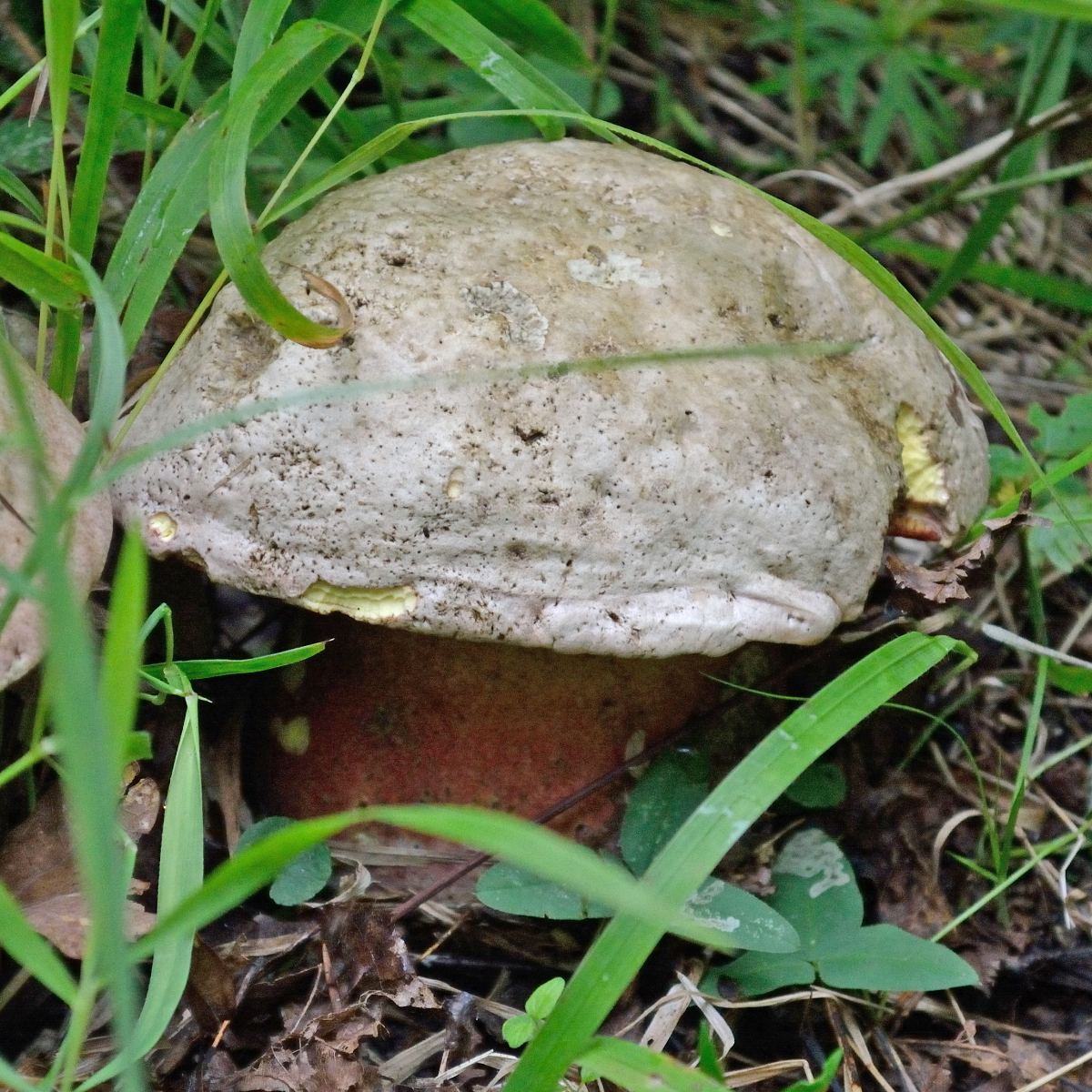
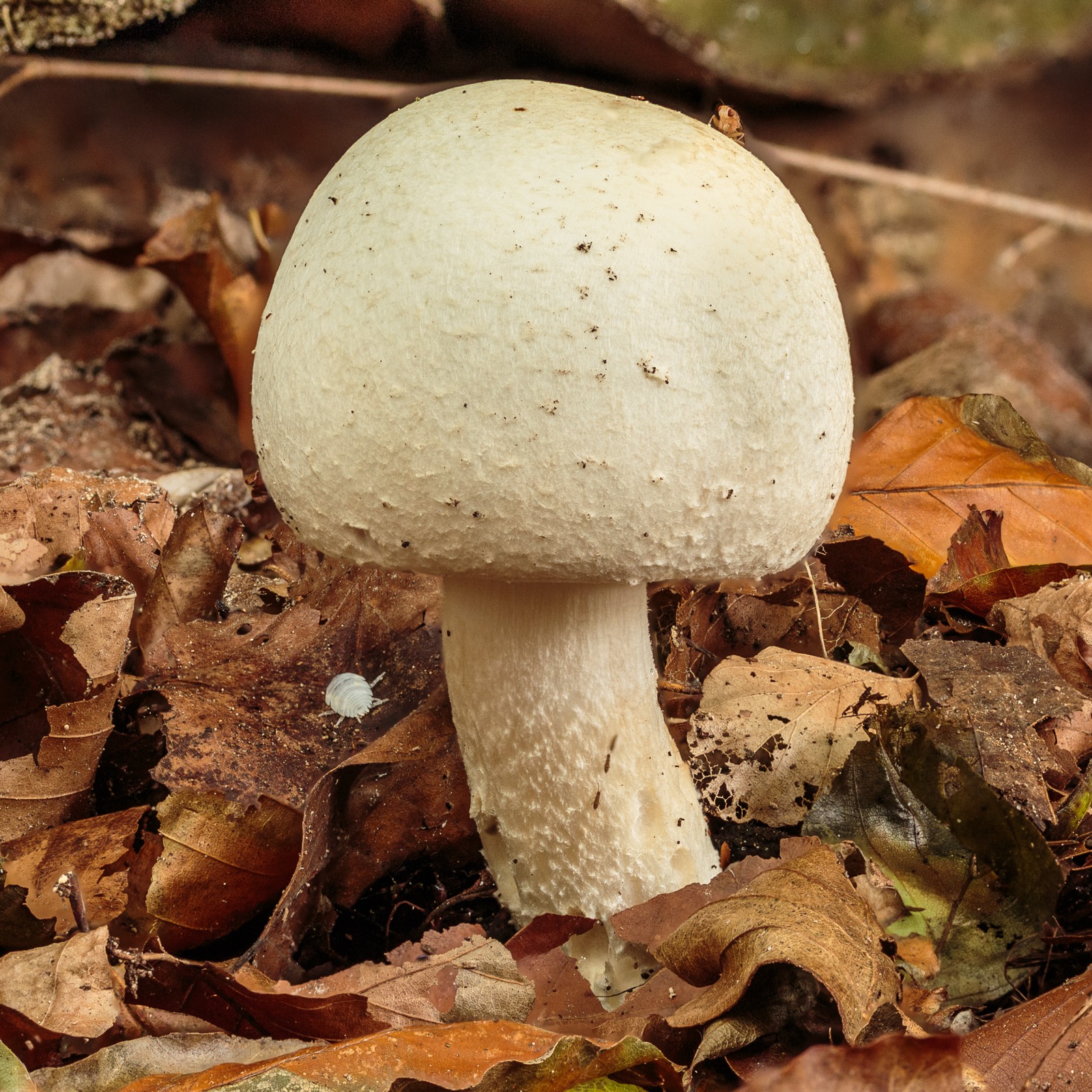
Pale whitish cap but with vivid red pores and a red-orange reticulation on a swollen yellow and red stem. Flesh bruises blue when cut. Causes severe GI distress. The red pores and blue bruising are unmistakable warning signs.
Side-by-side comparison →Is Summer Cep Edible?
A premier edible mushroom, equal in quality to Boletus edulis. Rich, nutty flavor with firm texture. Excellent sauteed, grilled, dried, or in risottos and pasta. Check the tubes for insect larvae, which are common in warm-weather boletes. Trim any heavily infested portions. Dries beautifully for year-round use.
Always verify with local experts before consuming wild mushrooms.
Found something that looks like this in the wild? Don't guess — identify it from a photo with Orangutany and check it against look-alikes before you touch it.