Tawny Grisette vs Death Cap
Amanita fulva compared with Amanita phalloides — how to tell them apart in the field.
This is a dangerous confusion.
At least one of these species is potentially deadly. Never eat a wild mushroom based on a photo comparison alone — verify with local experts.
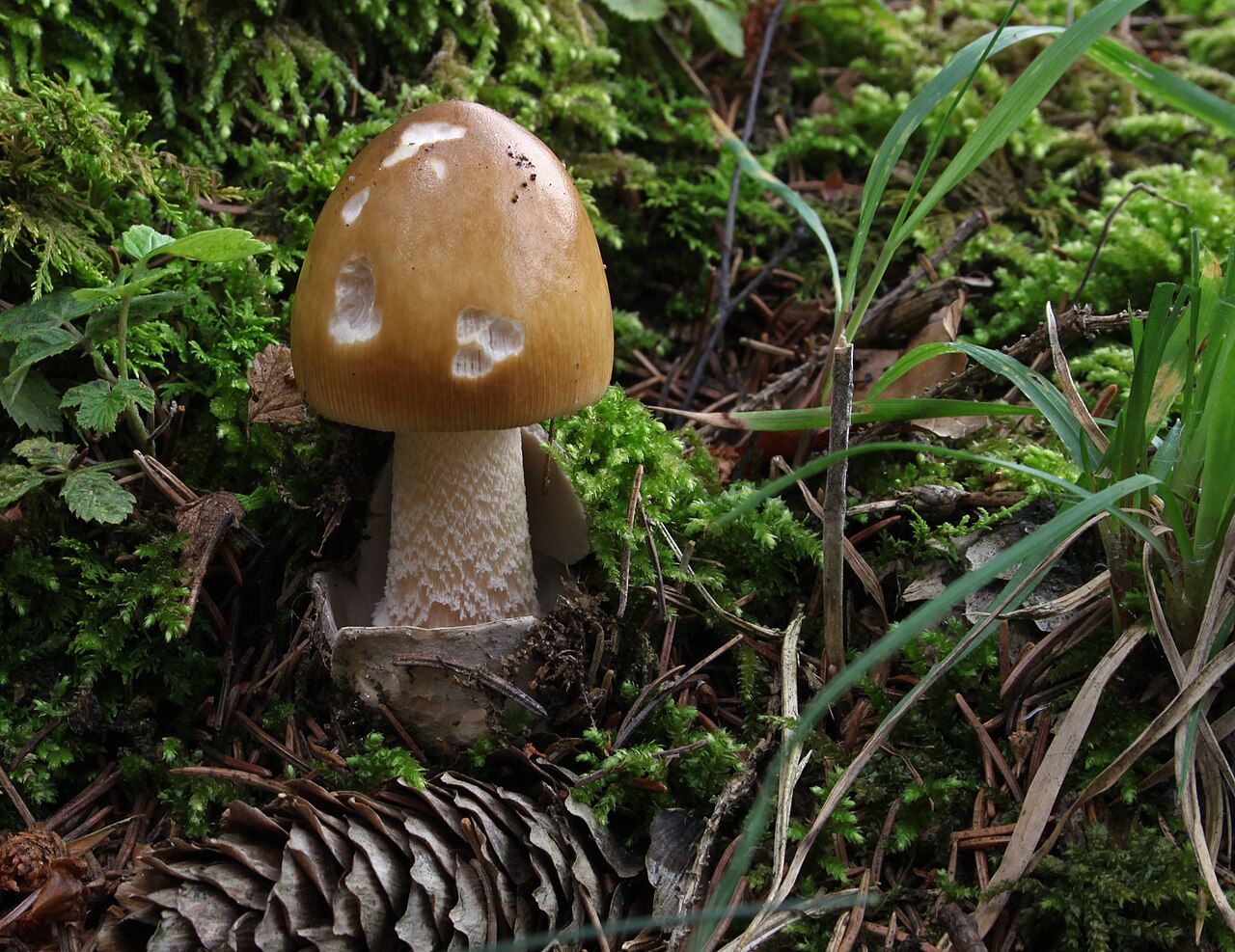
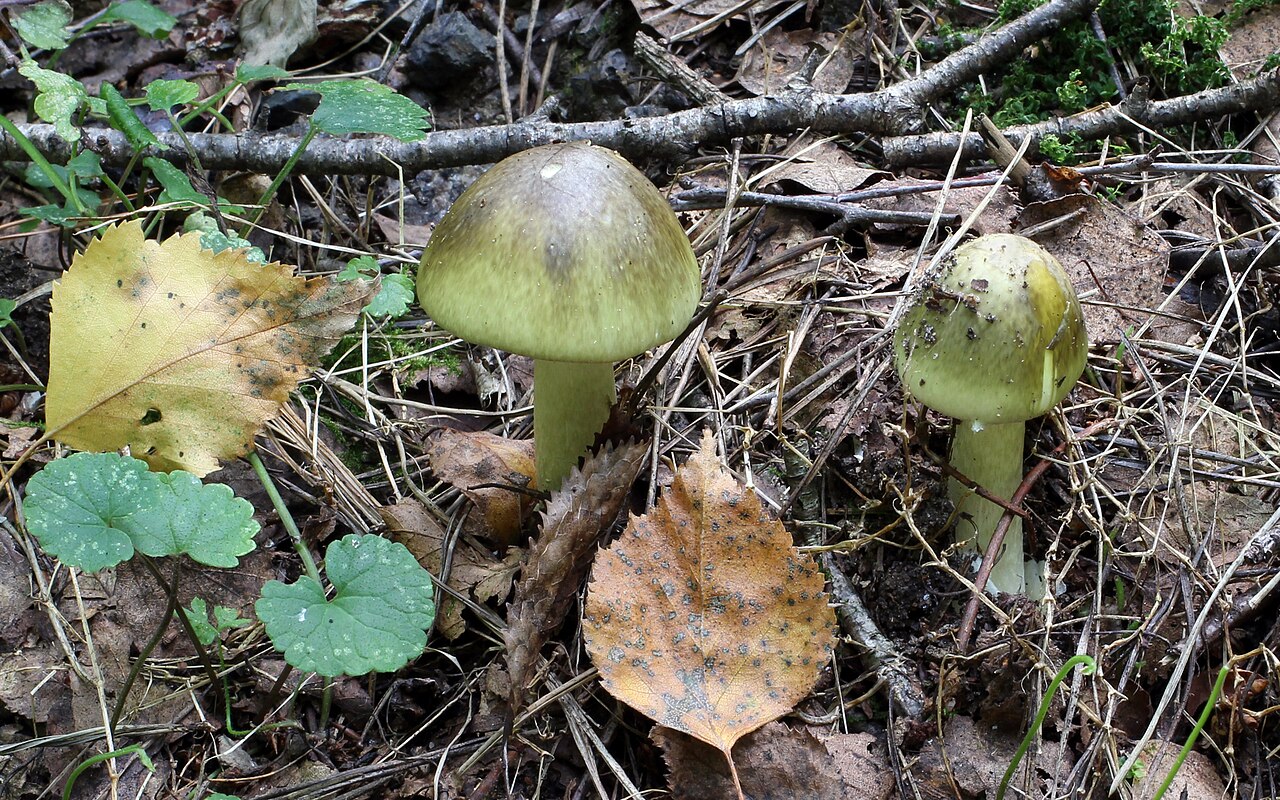
How to Tell Them Apart
THE critical look-alike. The Death Cap HAS A RING on its stem — grisettes do not. Death Cap also tends to have a greenish-yellow to olive cap (though it can be pale or white), non-striate cap margin, and a more bulbous base. Contains amatoxins and is responsible for over 90% of mushroom fatality deaths worldwide. If in doubt, DO NOT EAT.
Side-by-Side Identification
| Trait | Tawny Grisette | Death Cap |
|---|---|---|
| Cap | 4–10 cm across. Initially egg-shaped within the universal veil, expanding to convex then flat. Smooth, slightly sticky when wet. Color is a warm tawny-orange to fulvous-brown, sometimes with a darker center. The margin is distinctly striate (lined) for 1–2 cm — this is a key grisette feature. Usually no remnants of the universal veil on the cap surface. | 5-15 cm across. Starts egg-shaped, opens to convex then flat. Color ranges from pale greenish-yellow to olive green, sometimes almost white. Surface is smooth and slightly sticky when wet. No warts or patches (unlike Fly Agaric). The green tinge is the key tell, but pale specimens can fool you. |
| Gills | Free (not attached to the stem). White to pale cream. Crowded. Soft and fragile. | White, closely spaced, and free (not attached to the stem). They stay white even as the mushroom ages — no color change. |
| Stem | 8–15 cm tall, 1–1.5 cm thick. Tall and slender, slightly tapering upward. White to pale tawny, covered with a fine granular or snakeskin-like pattern. NO RING (annulus) — this is the most critical identification feature. Base enclosed in a prominent, persistent, white to slightly brownish volval sac (bag-like structure). | 8-15 cm tall, white to pale green, with a prominent drooping skirt-like ring near the top. The base sits inside a cup-shaped volva (sac) that's often buried underground. Always dig up the base to check for the volva — it's the single most important identification feature. |
| Spore print | White. | White. |
| Odor | Faint, not distinctive. | Faintly sweet and pleasant when young. Becomes sickly sweet and unpleasant as it ages — sometimes described as honey-like turning to rotting. |
| Habitat | Mycorrhizal with birch, oak, beech, pine, and spruce. Found in mixed deciduous and coniferous woodlands, heathlands, and along forest edges. Prefers damp, mossy areas with acidic to neutral soils. Often grows singly or in small groups. | Forms mycorrhizal relationships with hardwood trees, especially oaks. Also found near beeches, chestnuts, and occasionally conifers. Prefers well-drained soils in woodlands, parks, and suburban yards with established trees. |
| Season | Early summer through late autumn, typically June through November. Peak season is July–September across most of Europe. | Late summer through late autumn. Peak fruiting is September through November in the Northern Hemisphere; March through May in Australia. |
Found one of these in the wild? Don't rely on memory — identify it from a photo with Orangutany and check it against both species before you touch it.