Button Mushroom vs Death Cap
Agaricus bisporus compared with Amanita phalloides — how to tell them apart in the field.
This is a dangerous confusion.
At least one of these species is potentially deadly. Never eat a wild mushroom based on a photo comparison alone — verify with local experts.
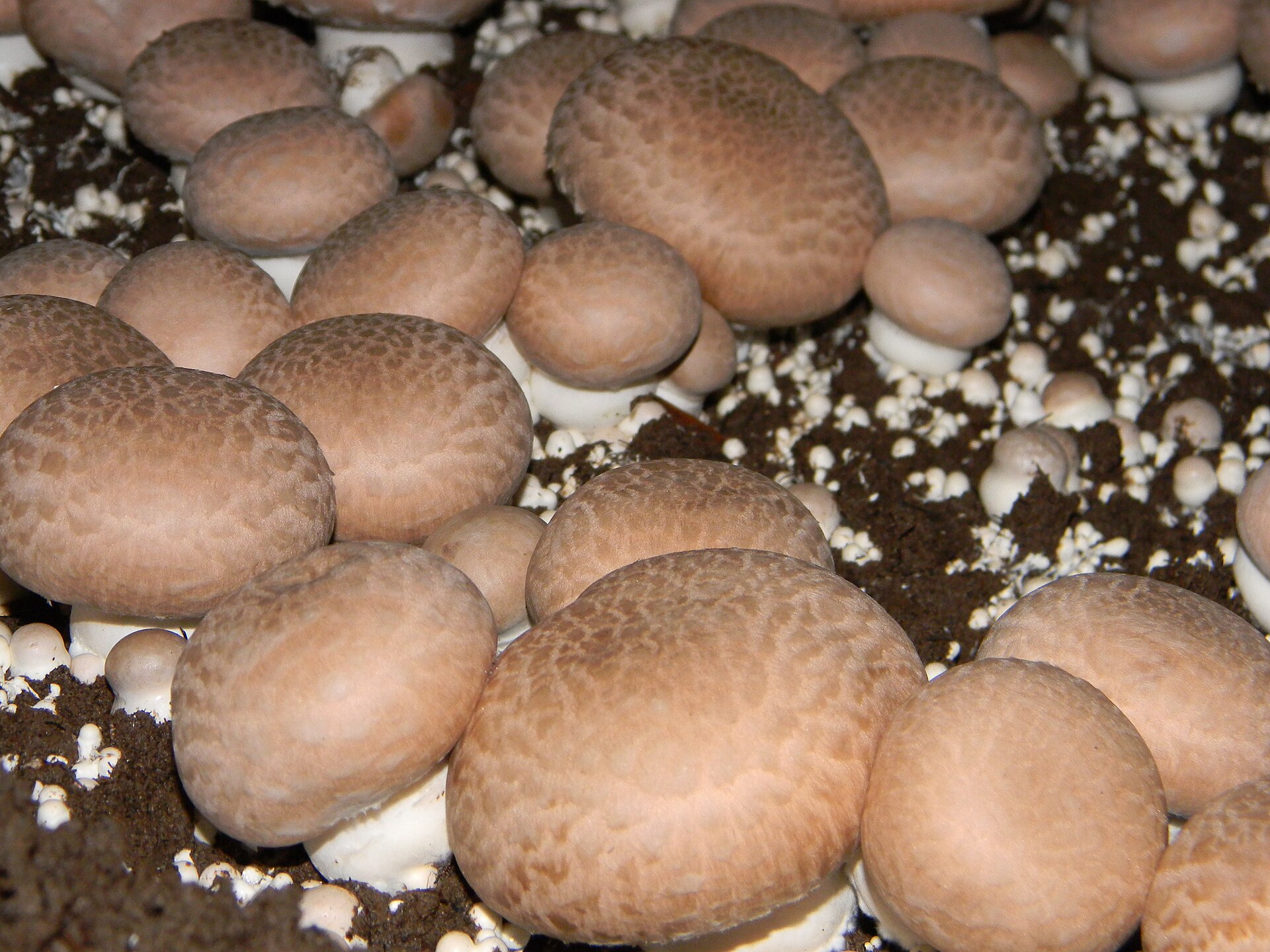
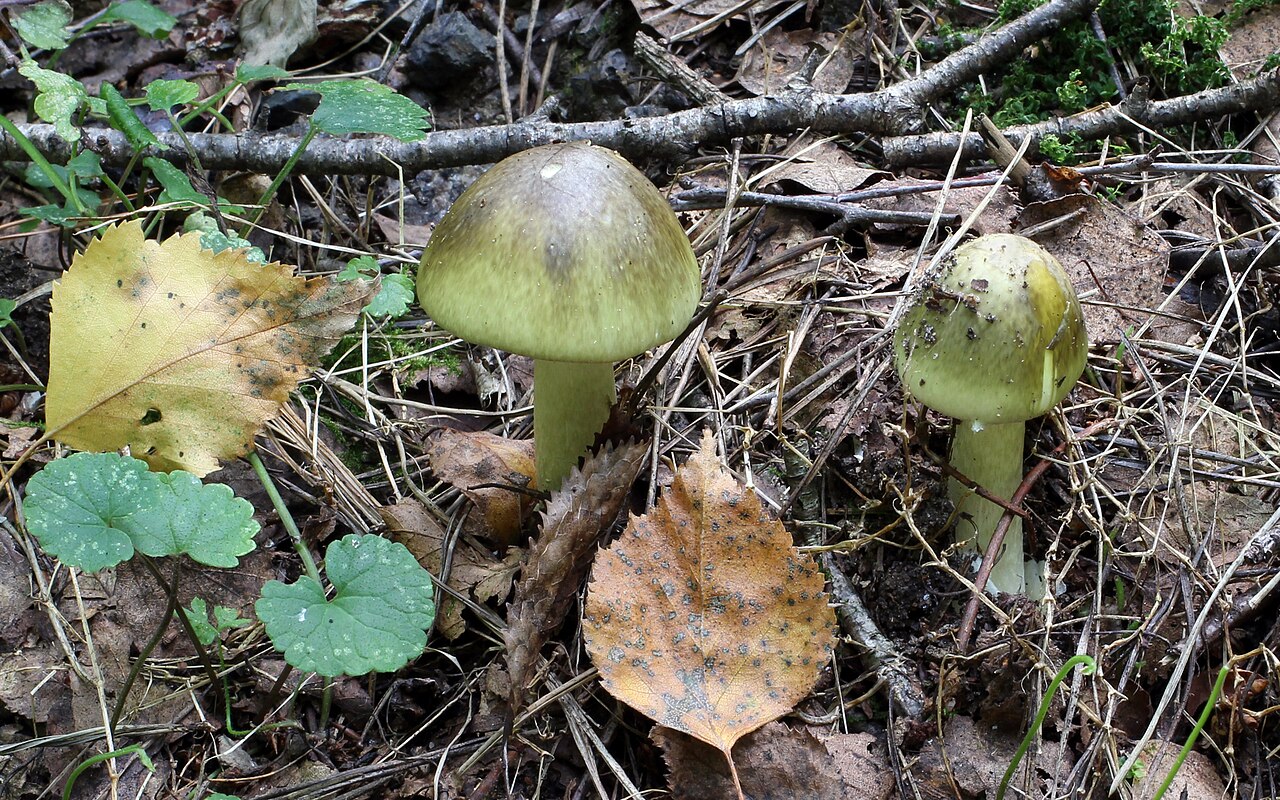
How to Tell Them Apart
Young white buttons of A. bisporus in the wild could theoretically be confused with young Death Caps, though their habitats rarely overlap. Key differences: Death Cap gills are WHITE and remain white. A. bisporus gills are PINK to brown. Death Cap has a sac-like volva at the stem base; A. bisporus does not. This confusion is mainly a risk for people foraging wild Agaricus species, not for those buying cultivated mushrooms.
Side-by-Side Identification
| Trait | Button Mushroom | Death Cap |
|---|---|---|
| Cap | Wild form: 5-10 cm across, convex, brown to dark brown with fine fibrillose scales. Cultivated white form: smooth, white, 3-8 cm. Cultivated brown (cremini/portobello): 4-15 cm, tan to dark brown. Portobello stage shows exposed dark gills with cap fully expanded. | 5-15 cm across. Starts egg-shaped, opens to convex then flat. Color ranges from pale greenish-yellow to olive green, sometimes almost white. Surface is smooth and slightly sticky when wet. No warts or patches (unlike Fly Agaric). The green tinge is the key tell, but pale specimens can fool you. |
| Gills | Free (not attached to stem). Start pale pink in young specimens (button stage), darkening through chocolate brown to nearly black as the mushroom matures and the cap opens. In the sealed button stage, gills are hidden by a partial veil. | White, closely spaced, and free (not attached to the stem). They stay white even as the mushroom ages — no color change. |
| Stem | 3-6 cm tall, 1-2.5 cm thick. White, smooth, solid. Has a thin, fragile ring (remnant of the partial veil) that is often reduced to a faint zone in mature specimens. No volva at the base. | 8-15 cm tall, white to pale green, with a prominent drooping skirt-like ring near the top. The base sits inside a cup-shaped volva (sac) that's often buried underground. Always dig up the base to check for the volva — it's the single most important identification feature. |
| Spore print | Dark chocolate brown. | White. |
| Odor | Mild, pleasant, the classic 'mushroom' smell that defines the category for most people. Faintly earthy. | Faintly sweet and pleasant when young. Becomes sickly sweet and unpleasant as it ages — sometimes described as honey-like turning to rotting. |
| Habitat | Wild: coastal grasslands and composted soils in California and possibly Mediterranean Europe. Cultivated: grown on composted horse manure, straw, and agricultural waste in climate-controlled facilities worldwide. A saprobic species that feeds on decaying organic matter. | Forms mycorrhizal relationships with hardwood trees, especially oaks. Also found near beeches, chestnuts, and occasionally conifers. Prefers well-drained soils in woodlands, parks, and suburban yards with established trees. |
| Season | Wild: autumn and winter in coastal California. Cultivated: year-round, with production cycles of approximately 6-8 weeks from spawning to harvest. | Late summer through late autumn. Peak fruiting is September through November in the Northern Hemisphere; March through May in Australia. |
Found one of these in the wild? Don't rely on memory — identify it from a photo with Orangutany and check it against both species before you touch it.