When Familiar Mushrooms Turn Deadly: Poisoning in Immigrant Communities
By Sofia Andersson · Orangutany · March 2026
Every autumn, emergency rooms in California, Australia, British Columbia, and Western Europe see the same pattern: a family is admitted with severe liver failure after eating foraged mushrooms. The family is almost always from somewhere else. Southeast Asia. Eastern Europe. East Africa. Latin America. They picked mushrooms that looked exactly like the ones they ate back home. But they weren't the same mushrooms.
This is one of the most preventable causes of mushroom death in the world. It is also one of the most heartbreaking, because the victims are not reckless. They are experienced foragers applying a lifetime of knowledge that simply does not translate to a new continent.
The Core Problem: Different Continents, Different Dangers
Mushroom foraging traditions run deep in many cultures. In Laos, Thailand, and Cambodia, families routinely forage for paddy straw mushrooms ( Volvariella volvacea), a delicious edible species that grows on rice paddies and in tropical grasslands. In Poland, Ukraine, and Russia, foraging for field mushrooms, porcini, and other wild species is a national pastime. In Ethiopia, Mexico, and Guatemala, rural communities have collected wild mushrooms for generations.
The knowledge these foragers carry is real and hard-earned. A Hmong grandmother from Laos knows exactly what a paddy straw mushroom looks like at every stage of development. A Polish immigrant can identify a dozen edible species by sight and smell. The problem is that this knowledge was developed in ecosystems where certain deadly species simply do not exist.
The death cap (Amanita phalloides) is native to Europe and was introduced to North America, Australia, and parts of South America through imported European trees. It does not occur naturally in Southeast Asia, sub-Saharan Africa, or Central America. Foragers from these regions have no frame of reference for it. And in its immature "button" stage, before the cap opens, the death cap is nearly indistinguishable from several edible species.
Death Cap vs. Paddy Straw Mushroom
The most documented and deadly confusion is between the death cap and the paddy straw mushroom. This pairing has killed people in California, Oregon, Australia, and across Europe.
Both species emerge from a universal veil, a white egg-like structure that encloses the immature mushroom. At the button stage, they are remarkably similar: white to pale, roughly the same size, growing from the ground with a similar silhouette. The differences become apparent only once the mushroom opens, and even then, distinguishing them requires knowledge specific to each species.
Key Differences
- Gills: Death cap gills are white and remain white. Paddy straw gills start white but turn pink and then brown as spores mature.
- Spore print: Death cap produces a white spore print. Paddy straw produces a pink to brown spore print.
- Volva: Both have a volva (cup at the base), but the death cap's volva is sac-like and often buried in soil, making it easy to miss when picking.
- Habitat: Death caps grow near European trees (oaks, beeches) in temperate climates. Paddy straw mushrooms grow in tropical and subtropical environments, typically on decaying rice straw or in warm grasslands. If you are in a temperate forest, any mushroom resembling a paddy straw should be treated with extreme suspicion.
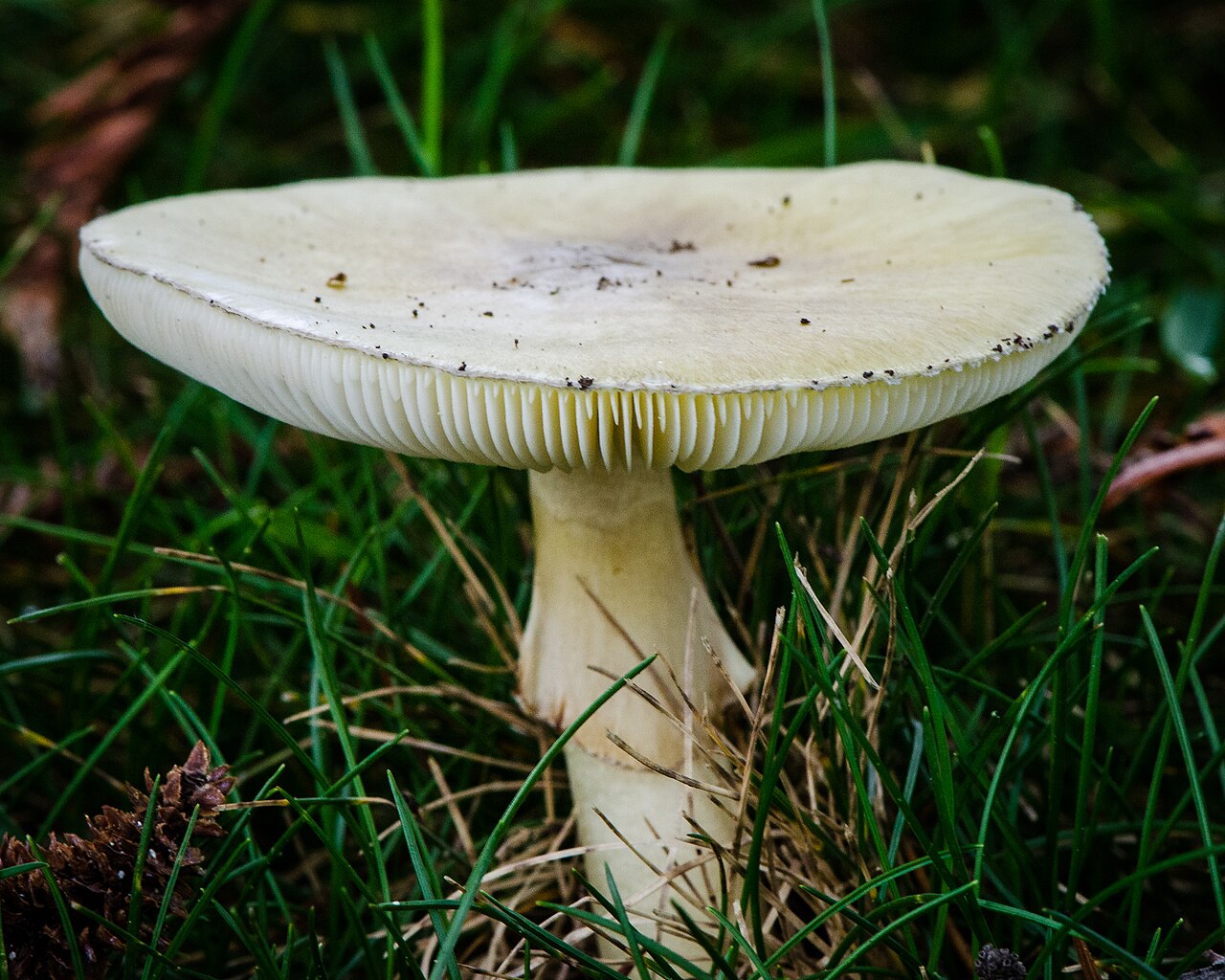
Photo: Wikimedia Commons (CC BY 2.0)
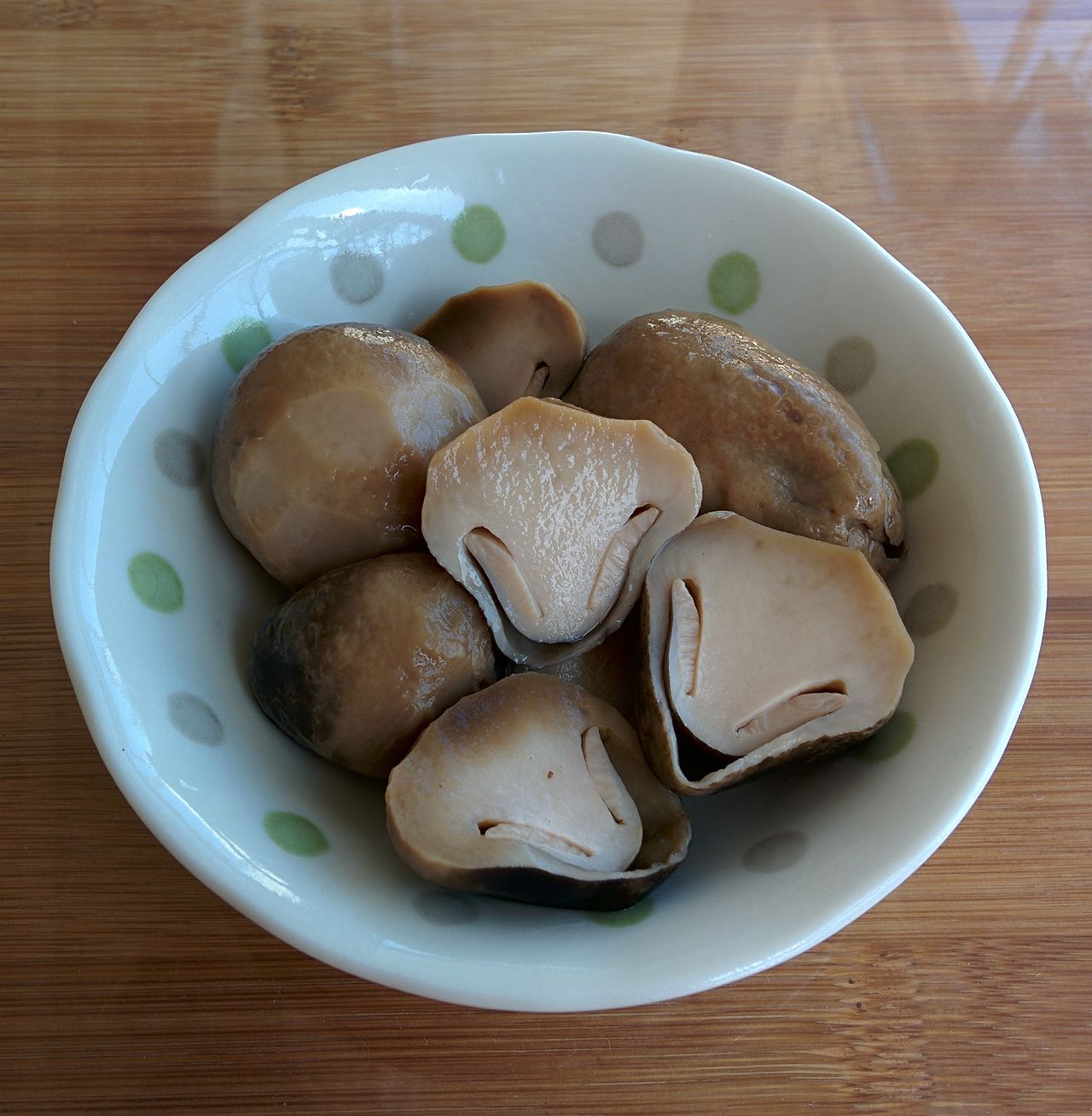
Photo: Susan Slater / Wikimedia Commons (CC BY-SA 4.0)
The problem is that these differences require training to observe. A forager who has never encountered a death cap and sees a button mushroom emerging from a white egg under an oak tree in Sacramento or Melbourne will see something that looks exactly like dinner.
Destroying Angel vs. Field Mushroom
Eastern European immigrants face a different but equally dangerous confusion. The destroying angel (Amanita virosa), which carries the same deadly amatoxins as the death cap, can be confused with the field mushroom (Agaricus campestris) and other white Agaricus species commonly collected in Eastern Europe.
In Poland and Ukraine, collecting wild Agaricus species (known locally as "pieczarki") is routine. These are the wild relatives of the common store-bought button mushroom. They are white, grow in grassy meadows, and are readily identifiable by their pink-then-brown gills and lack of a volva.
The destroying angel is also white and can grow in similar grassy or woodland-edge habitats. The critical difference is the volva at the base and the white gills that never change color. But the volva is often below the soil line, and a forager who pulls the mushroom rather than digging it up may not see it. The result is a white mushroom in the basket that looks safe but contains enough amatoxin to cause fatal liver failure.
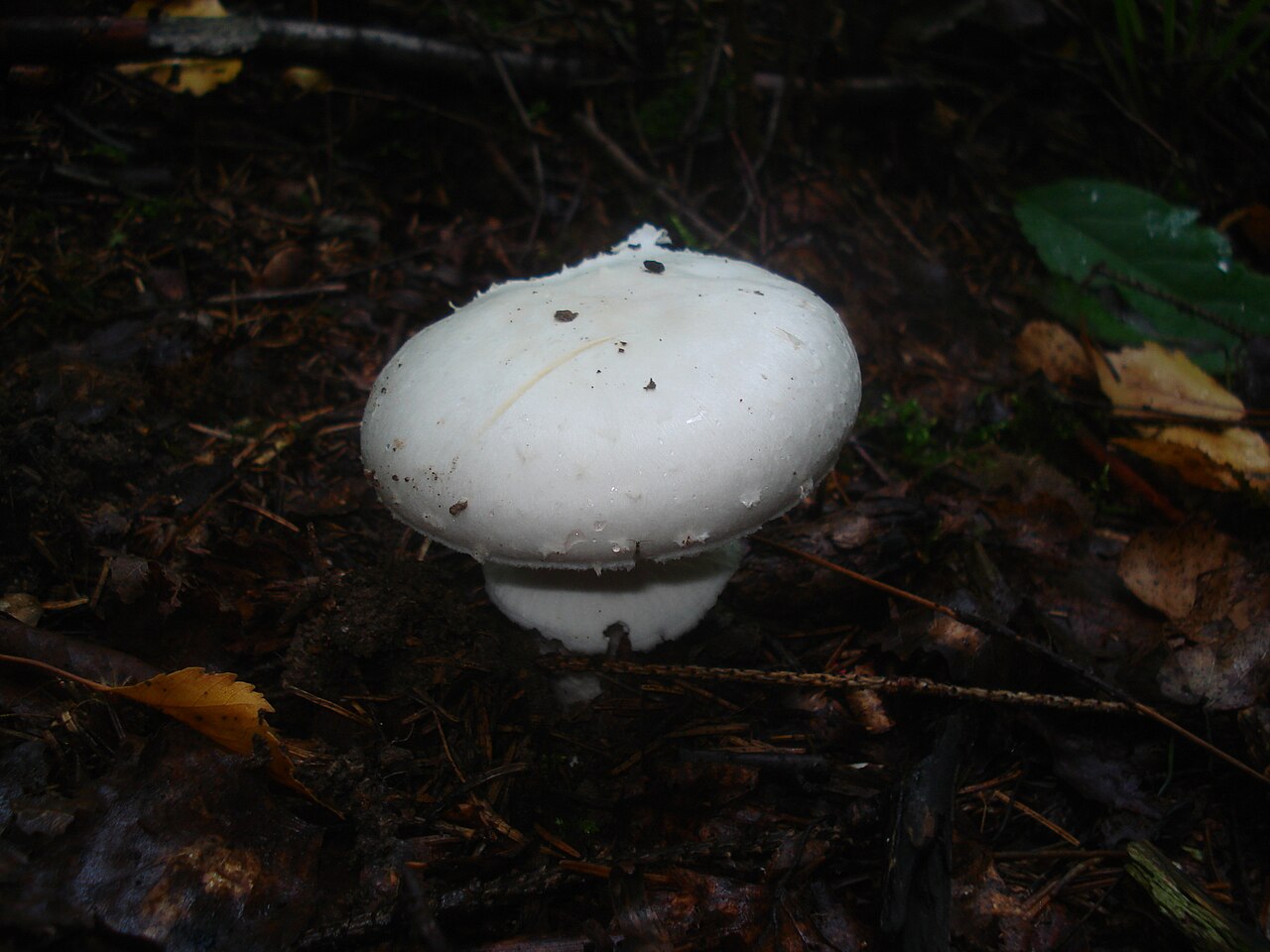
A 2017 case in British Columbia illustrates the pattern. A Ukrainian-Canadian family collected what they believed were field mushrooms from a park in the Fraser Valley. Three family members were hospitalized with amatoxin poisoning. One required a liver transplant. Investigation confirmed the mushrooms were Amanita virosa.
California: Ground Zero for Immigrant Mushroom Poisoning
California has the highest rate of death cap poisonings in North America, and a disproportionate number of victims are immigrants from Southeast Asia. The state's combination of factors creates a perfect storm: large Hmong, Laotian, and Vietnamese communities with strong foraging traditions; widespread death cap populations established under imported European oaks in the Bay Area, Sacramento Valley, and coastal towns; and a Mediterranean climate that produces death caps reliably each winter rainy season.
The California Poison Control System has tracked these cases for decades. A review published in Clinical Toxicology analyzed 93 cases of amatoxin mushroom poisoning in California between 1993 and 2016. The majority of victims were described as "foraging for food based on knowledge from their country of origin." Multiple fatalities were recorded.
In early 2025, a cluster of poisonings in the Sacramento area drew renewed attention. Several victims were members of the local Southeast Asian community who had collected mushrooms from a park near the American River. The species was confirmed as Amanita phalloides. Multiple patients required hospitalization, and the incident prompted the Sacramento County Department of Health to issue multilingual warnings in Hmong, Vietnamese, and Lao.
Similar patterns occur regularly in the San Francisco Bay Area, where death caps grow abundantly under live oaks on the UC Berkeley campus, in Golden Gate Park, and in residential neighborhoods. The Berkeley campus has posted warning signs in multiple languages near known death cap habitats.
Other At-Risk Communities
The problem extends well beyond the death cap and paddy straw mushroom confusion:
- East African communities in Europe: Ethiopian and Eritrean immigrants in Sweden and Germany have been poisoned by toxic Amanita species while foraging for edible fungi resembling species from their home countries. Sweden has documented several cases involving East African refugees.
- Latin American communities in the United States: Mexican and Central American immigrants sometimes confuse the green-spored parasol (Chlorophyllum molybdites), the most commonly ingested toxic mushroom in North America, with edible species collected in their home regions. While usually not fatal, it causes severe gastrointestinal illness.
- Chinese communities in Australia: The death cap resembles several edible species used in Chinese cuisine. The 2014 New Year's Eve poisoning in Canberra that killed two people involved Chinese-born foragers.
- South Asian communities: Immigrants from India and Sri Lanka who foraged wild mushrooms in their home countries may not recognize temperate-zone toxic species. Cases have been documented in the United Kingdom and Canada.
Language Barriers and the Poison Control Gap
When mushroom poisoning occurs, time is critical. Amatoxin poisoning has the best outcomes when treatment begins within 24 hours of ingestion. But language barriers can delay treatment at every stage.
Victims may not know what a poison control center is or how to reach one. In the United States, the national Poison Control hotline (1-800-222-1222) operates primarily in English and Spanish. Reaching a Hmong, Lao, or Tigrinya interpreter takes time. In Australia, the Poisons Information Centre operates in English only, with interpreter services available but not immediate.
Emergency room staff may not recognize amatoxin poisoning in its early stages, particularly if the patient cannot communicate clearly in the local language. The initial GI symptoms look like common food poisoning, and without the critical information that the patient ate foraged mushrooms, the correct diagnosis may be delayed until liver damage is already underway.
Even after treatment, follow-up care and public health messaging face the same barriers. Printed warnings posted in parks are useless to community members who do not read the local language. Health department websites with mushroom safety information are overwhelmingly monolingual.
Community Outreach Programs That Work
The most effective interventions go to where people are, rather than expecting at-risk communities to find safety information on their own. Several programs have shown measurable results:
- Bay Area Mycological Society (BAMS) multilingual workshops: BAMS has partnered with Hmong community organizations in Sacramento and the East Bay to run mushroom safety workshops in Hmong, with live demonstrations showing the differences between death caps and paddy straw mushrooms. Participants handle real specimens of both species. These workshops have been running since the early 2010s and are credited with reducing poisoning incidents in participating communities.
- Victoria, Australia — multilingual campaigns: After repeated death cap poisonings in the 2010s, the Victorian Department of Health launched a multilingual awareness campaign in Chinese, Vietnamese, and other community languages. Materials included visual comparison cards showing death caps alongside commonly confused edible species. The campaign was distributed through community centers, temples, and grocery stores rather than through government websites alone.
- Sweden — refugee foraging safety program: The Swedish National Food Agency developed a foraging safety program specifically for newly arrived refugees. It includes guided forays with interpreters, photo guides in Arabic, Tigrinya, and Dari, and partnerships with refugee resettlement organizations. The program was launched after multiple poisoning incidents involving East African and Middle Eastern refugees.
- North American Mycological Association (NAMA) poison identification network: NAMA maintains a volunteer network of mycologists who can be reached through poison control centers to identify mushroom specimens from poisoning cases. This helps bridge the gap when hospital staff cannot identify the species involved.
How to Forage Safely in a New Country
If you or someone you know forages wild mushrooms and has moved to a new region, these steps can prevent tragedy:
- Do not assume familiar-looking mushrooms are the same species. The single most important rule. A mushroom that looks identical to one from your home country may be a completely different and potentially lethal species in a new ecosystem.
- Learn the deadly species of your new region first. Before learning which mushrooms are safe to eat, learn which ones will kill you. In North America and Australia, that means learning to recognize Amanita phalloides, Amanita virosa, and Galerina marginata.
- Join a local mycological society. Every major city in North America, Europe, and Australia has one. They run forays where experienced local experts identify species. This is the fastest way to learn what grows in your new area.
- Always dig up the entire mushroom. The volva at the base is the most important identification feature for ruling out deadly Amanita species. If you snap a mushroom off at ground level, you miss it.
- When in doubt, do not eat it. No mushroom meal is worth the risk of liver failure. If you cannot identify a mushroom with 100% certainty in your new environment, leave it.
Mushroom foraging is a skill passed down through generations. It connects people to their land, their culture, and their history. When immigrants bring that tradition to a new country, they are carrying something valuable.
But knowledge is local. The rules that kept your family safe in Laos, in Poland, in Ethiopia, were calibrated to a specific ecosystem with specific species. In California, in Australia, in Sweden, the rules are different. The mushrooms look the same. They are not.
The fix is not to stop foraging. The fix is education, delivered in the right languages, through trusted community channels, with real specimens in hand. Every death from a mushroom lookalike confusion is preventable. We just have to reach people before they pick.