California's Deadliest Mushroom Season: The 2025 Death Cap Outbreak
By Sofia Andersson · Orangutany · March 2026
Between October and December 2025, at least 35 people across Northern California were hospitalized after eating wild mushrooms containing amatoxins. Three died. Three more required emergency liver transplants. The California Poison Control System called it the worst cluster of mushroom poisonings the state had seen in over 40 years.
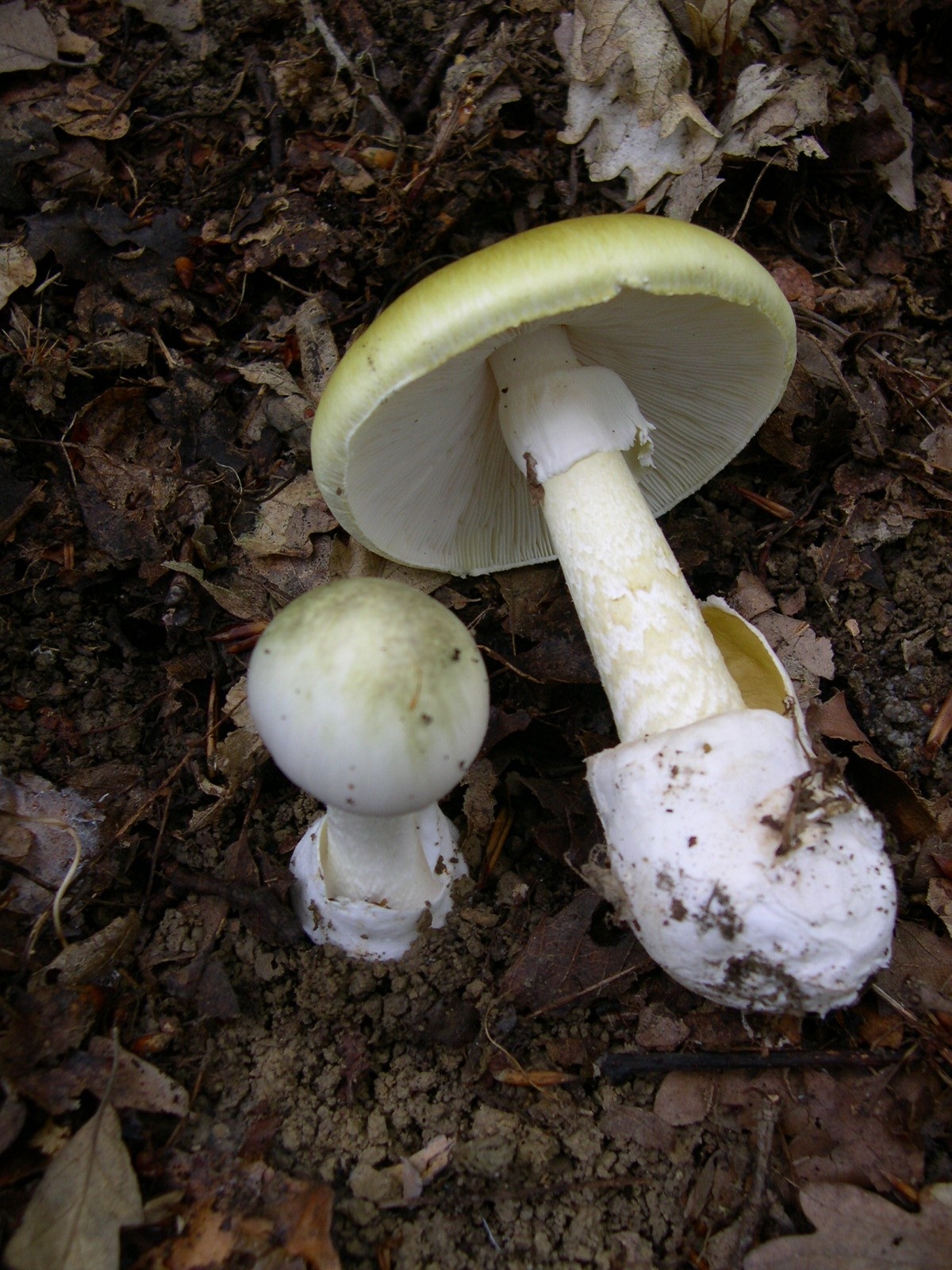
The culprit was Amanita phalloides, the death cap mushroom — a species not native to North America, but one that has been quietly colonizing California's oak woodlands for over a century. An unusually wet autumn created ideal fruiting conditions, and a bumper crop of death caps appeared in parks, gardens, and suburban yards across the Bay Area, Sacramento Valley, and Central Coast.
This is the story of what happened, why California is uniquely vulnerable, and why the people most at risk are often those who know the most about foraging — just not about California's mushrooms.
The Weather That Started It
California's 2025 mushroom season was primed by an atmospheric river event in late September that dumped 4–8 inches of rain across the Bay Area in 48 hours. After two years of below-average rainfall, the sudden moisture triggered an explosive fungal fruiting season. Mycological societies across the state reported the most prolific mushroom year since 2016–2017.
Death caps, like many mycorrhizal fungi, fruit most prolifically when a dry period is broken by heavy, sustained rain followed by mild temperatures. October 2025 delivered exactly that pattern. Nighttime lows stayed above 50°F, daytime highs hovered in the low 70s, and rain returned every 5–7 days. The conditions were textbook.
By mid-October, Bay Area mycologists were posting warnings on social media. Death caps were appearing in Golden Gate Park, on the Stanford University campus, in residential yards in Palo Alto and Berkeley, and along oak-lined streets in Sacramento. The mushrooms were unusually large — some caps exceeded 15 centimeters — and they were everywhere.

Timeline of the Outbreak
Why California Is a Death Cap Hotspot
Amanita phalloides is native to Europe, where it forms mycorrhizal partnerships with oak, beech, and chestnut trees. It arrived in California in the mid-1800s, almost certainly as a stowaway on the root systems of European cork oaks and coast live oaks imported as ornamental trees during the Victorian era.
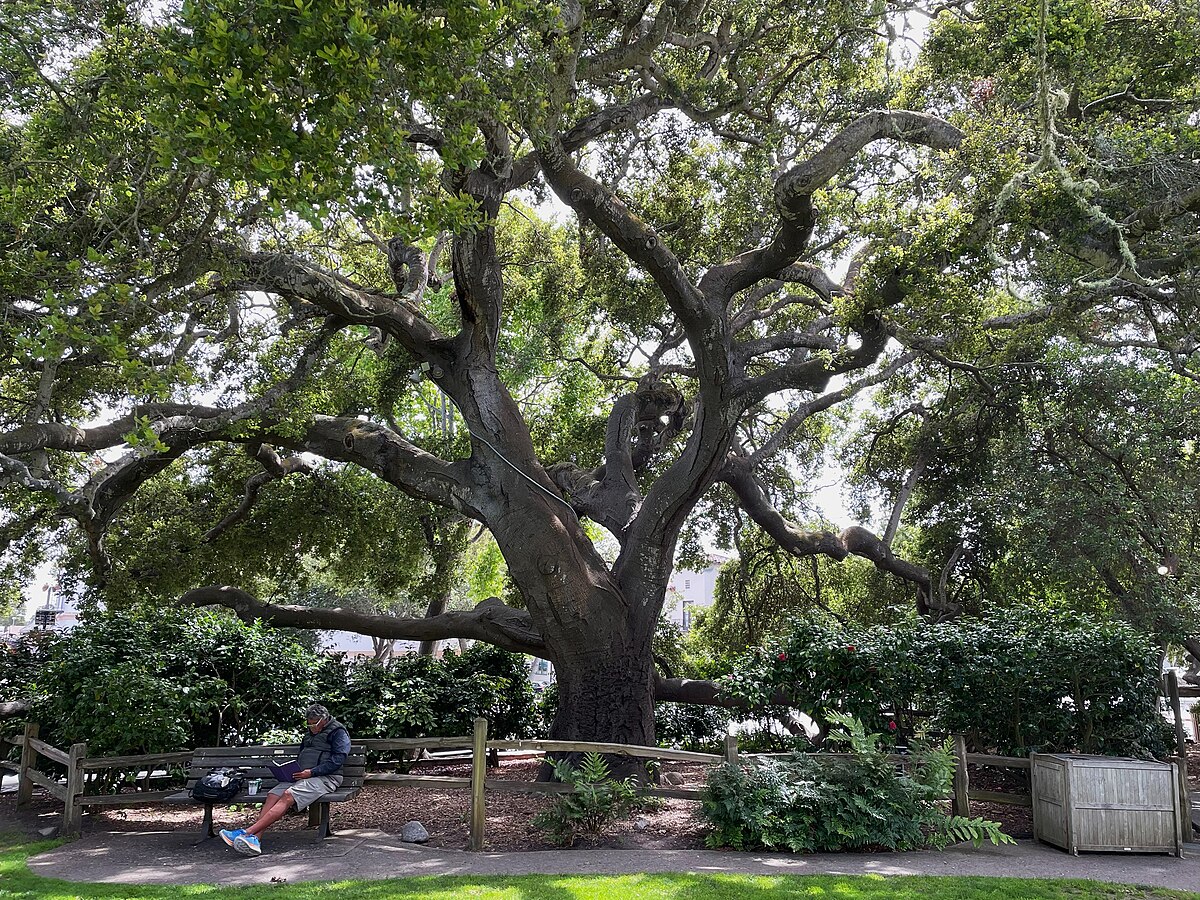
What happened next was ecologically unusual. Rather than staying confined to its imported host trees, the death cap jumped to California's native coast live oaks (Quercus agrifolia). This host-switching event, documented by researchers at UC Berkeley, meant the fungus was no longer limited to a few planted European oaks in botanical gardens. It had access to millions of native oaks stretching from San Diego to the Oregon border.
A landmark 2004 study by Anne Pringle, then at UC Berkeley, confirmed through genetic analysis that California's death cap population originated from a single European introduction. The fungus has since spread along the entire California coast and is pushing inland. It has been documented in every Bay Area county, throughout the Sacramento Valley, and as far south as Santa Barbara.
The implications are stark. Unlike Australia, where death caps are mostly found under planted European oaks in urban settings, California's death caps grow in wild oak woodlands, suburban yards, city parks, college campuses, and anywhere coast live oaks grow. The species is expanding its range, and there is no known way to stop it.

Climate change may be accelerating the spread. Warmer winters extend the fruiting season, and California's increasingly erratic rainfall patterns — long dry spells broken by intense atmospheric rivers — create exactly the dry-then-wet conditions that trigger massive death cap fruitings.
The People Most at Risk
A pattern has emerged in California death cap poisonings that public health officials find deeply troubling: a disproportionate number of victims are immigrants from Southeast Asia, East Asia, Mexico, and Eastern Europe — regions where foraging is a normal part of food culture and where Amanita phalloides either does not exist or grows in different habitats.
In the 2025 outbreak, at least 22 of the 35 hospitalized patients were first-generation immigrants. Several families told hospital staff they had been foraging for decades in their home countries without incident. They recognized the mushrooms as edible — or thought they did.
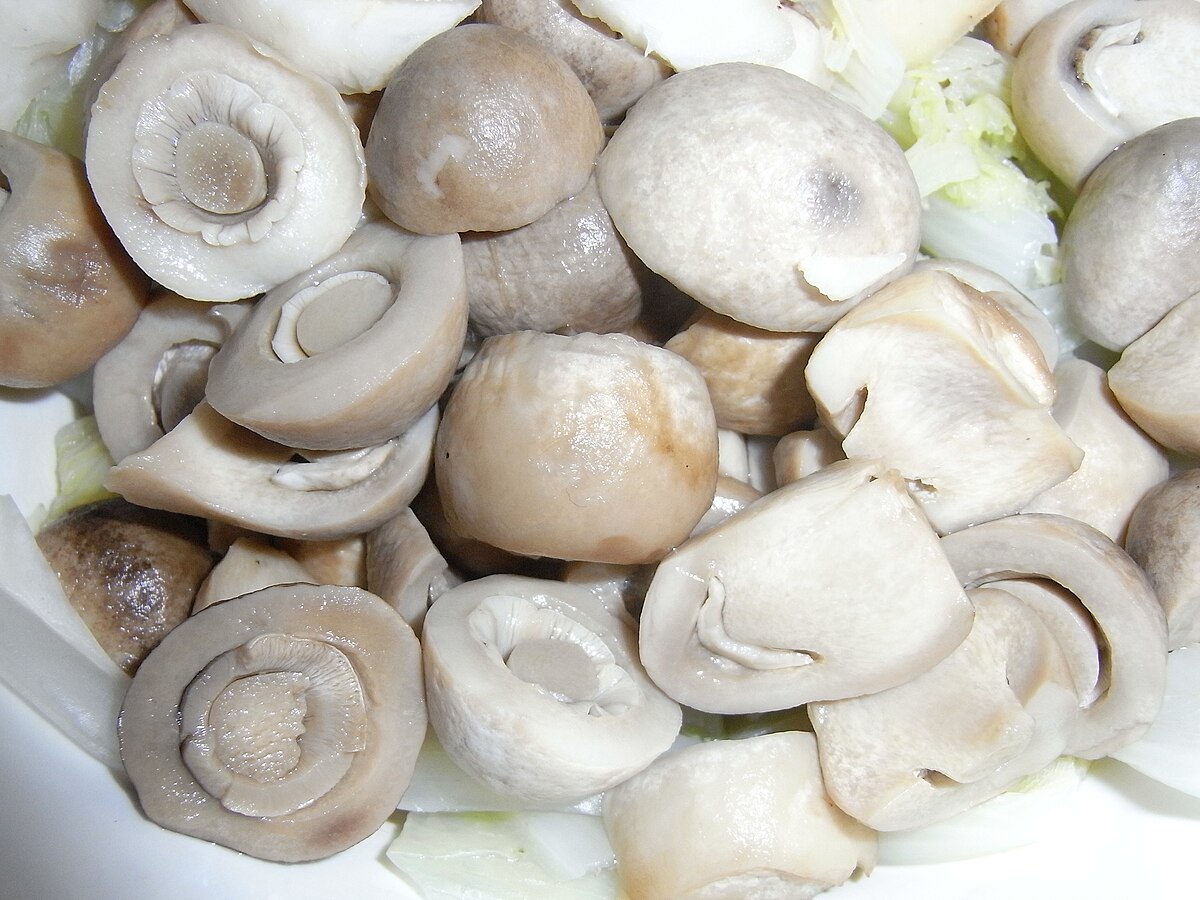
The confusion is understandable. Death caps bear a strong resemblance to several widely eaten species from other parts of the world. In Southeast Asia, the paddy straw mushroom (Volvariella volvacea) is a staple. When young and still in its egg stage, it looks almost identical to a young death cap still enclosed in its universal veil. In Mexico, several edible Amanita species are sold in markets. In Eastern Europe, mushroom foraging is a cultural tradition, but the local Amanita phalloides often grows in different habitats and alongside different look-alikes than in California.
The Bay Area's Hmong community has been particularly affected. Hmong foragers, many of whom learned to identify mushrooms in the mountains of Laos and Thailand, have been involved in multiple death cap poisoning incidents across California over the past two decades. In their home regions, Amanita phalloides does not grow, and the white-capped mushrooms they encounter under oaks in California resemble species they know as safe.
Language barriers compound the problem. Public health warnings are typically issued in English and Spanish, but many at-risk foragers speak Hmong, Vietnamese, Mandarin, Cantonese, or other languages. The California Poison Control System has worked with community health organizations to produce multilingual warnings, but distribution remains limited.
Dr. Kent Olson, medical director of the San Francisco division of the California Poison Control System, has noted that the issue is not ignorance about mushrooms — it is that experienced foragers are applying accurate knowledge from the wrong geographic context. “These are skilled foragers,” he has said. “They know exactly what they're looking for. The problem is that what they're looking for doesn't grow here, and what does grow here can kill them.”
How Amatoxin Poisoning Kills
The death cap contains three classes of toxins: amatoxins, phallotoxins, and virotoxins. Amatoxins, specifically alpha-amanitin, are responsible for nearly all fatalities. Alpha-amanitin inhibits RNA polymerase II, the enzyme responsible for transcribing DNA into messenger RNA. Without mRNA, cells cannot produce proteins. Without proteins, cells die.
The liver is hit hardest because it is the first organ to process absorbed toxins from the gut. Amatoxins are taken up by hepatocytes (liver cells) via bile acid transporters, and once inside, they shut down the cell's ability to function. The lethal dose for an adult is approximately 0.1 mg/kg body weight — roughly the amount contained in a single mushroom cap.
Phase 1: Latent Period (6–12 hours)
No symptoms. The patient feels completely normal. This long delay is a hallmark of amatoxin poisoning and a critical diagnostic clue — most other types of food poisoning cause symptoms within 1–4 hours.
Phase 2: Gastrointestinal Crisis (12–36 hours)
Sudden, severe onset of watery diarrhea, projectile vomiting, and abdominal cramps. This phase can cause dangerous dehydration and electrolyte imbalances. In emergency rooms, it is frequently misdiagnosed as gastroenteritis or bacterial food poisoning.
Phase 3: False Recovery (36–48 hours)
The GI symptoms subside. The patient appears to improve. Some patients are discharged from the hospital during this window. Meanwhile, amatoxins are destroying liver cells at an accelerating rate.
Phase 4: Hepatorenal Failure (3–7 days)
Liver enzymes spike to catastrophic levels. Jaundice develops. Coagulopathy (inability to clot blood) sets in. Kidney function deteriorates. Without a liver transplant, multi-organ failure and death typically follow within 6–16 days of ingestion.
In the 2025 California outbreak, the three patients who died all presented to emergency departments during Phase 2 but were initially treated for food poisoning. By the time amatoxin poisoning was suspected, liver damage was already advanced. This pattern of delayed diagnosis is tragically common.
How Poison Control Responded
The California Poison Control System (CPCS), which operates a 24-hour hotline and coordinates with emergency departments across the state, was at the center of the response. Their San Francisco division, housed at UCSF, handles the majority of mushroom poisoning calls in Northern California.
When the first cluster of cases emerged in mid-October, CPCS issued an advisory to all California emergency departments detailing the symptoms and timeline of amatoxin poisoning, emphasizing the importance of early intervention. The advisory urged physicians to suspect amatoxin poisoning in any patient presenting with GI symptoms 6+ hours after eating wild mushrooms, regardless of how “ordinary” the mushrooms appeared.
Treatment protocols included aggressive IV hydration, repeated doses of activated charcoal (to interrupt enterohepatic recirculation of amatoxins), intravenous silibinin (marketed as Legalon SIL in Europe, available in the US under an FDA emergency investigational new drug protocol), and N-acetylcysteine. For patients whose liver function deteriorated beyond recovery, the only option was emergency transplantation.
UCSF Medical Center performed all three liver transplants from the 2025 outbreak. Dr. Neil Bhatt, a hepatologist at UCSF, noted that the demand for emergency transplants during the outbreak strained an already limited donor organ supply. “Every one of these transplants is a life saved,” he said, “but it's also a liver that could have gone to someone on the waiting list. Prevention is the only real solution.”
CPCS also worked with the Bay Area's community health organizations to distribute warnings in Hmong, Vietnamese, Mandarin, Cantonese, Spanish, and Tagalog. Flyers were posted at Asian grocery stores, temples, community centers, and farmers markets. The messaging was simple: do not eat any wild mushroom unless it has been identified by a trained mycologist.
Dangerous Lookalikes
Part of what makes Amanita phalloides so dangerous is that it resembles a wide range of edible species, depending on the viewer's cultural background and foraging experience.
- Paddy straw mushroom (Volvariella volvacea): The most dangerous confusion. Both have a volva (cup at the base) and white gills. Young death caps in the “egg stage” are nearly indistinguishable from young paddy straw mushrooms.
- Green-cracked brittlegill (Russula virescens): A green-capped edible mushroom that overlaps in color with olive-green death caps. Experienced European foragers have been poisoned by this confusion.
- Field mushroom (Agaricus campestris): Young death caps with white caps can resemble common field mushrooms. The key difference is gill color (pink to brown in Agaricus, white in Amanita) and the presence of a volva.
- Caesar's mushroom (Amanita caesarea): A prized edible Amanita eaten across Southern Europe and Mexico. In the egg stage, it is difficult to distinguish from a young death cap without cutting it open.

Prevention: What Actually Works
Every public health authority in California delivers the same core message: do not eat any wild mushroom unless it has been positively identified by someone with expert knowledge of California's species. But this advice, while correct, has proven insufficient. People keep eating death caps because they genuinely believe they know what they're picking.
More targeted prevention strategies include:
- Community-specific outreach: Health departments in the Bay Area and Sacramento have partnered with Hmong, Vietnamese, and Chinese community organizations to deliver in-language warnings through trusted community leaders, not just translated flyers.
- Foraging education programs: The Bay Area Mycological Society and the Mycological Society of San Francisco offer free mushroom identification walks during the fall season. Some specifically target immigrant communities.
- Emergency department training: CPCS has pushed for better amatoxin awareness among ER physicians, emphasizing the 6+ hour symptom delay as a diagnostic red flag.
- Urban oak management: Some municipalities have discussed removing death caps from public parks, but mycologists note that the underground mycelium is impossible to eradicate. The mushrooms will return as long as the oaks remain.
Identification apps can be useful as a supplementary tool, but they should never be the sole basis for deciding whether a mushroom is safe to eat. Studies have shown that even the best AI identification apps fail on toxic species at alarming rates. For a complete species profile, see our death cap identification guide.
Looking Ahead
The 2025 outbreak was the worst in recent California history, but mycologists warn it is unlikely to be an anomaly. As climate change intensifies the boom-and-bust rainfall cycle in California, and as the death cap continues to spread through native oak woodlands, the conditions for large-scale poisoning events will recur.
Research into antidotes offers some hope. In 2023, a team at Sun Yat-sen University in China identified indocyanine green (ICG), an FDA-approved dye used in medical imaging, as a potential antidote for amatoxin poisoning. In mouse studies, ICG blocked the cellular uptake of alpha-amanitin by inhibiting the OATP1B3 transporter that carries the toxin into liver cells. Human trials have not yet begun, but the finding was published in Nature Communications and generated significant interest in the toxicology community.
Until an effective antidote reaches clinical use, prevention remains the only reliable defense. For the communities most at risk, that means not just translating existing warnings, but fundamentally rethinking how foraging knowledge is shared across cultures and continents.
The death cap does not announce itself. It grows quietly under the same oaks that shade playgrounds and line residential streets. It looks like a dozen edible species from a dozen different countries. It tastes, by all accounts, perfectly fine.
And by the time you feel sick, it may already be too late.
If you or someone you know has eaten a wild mushroom and develops symptoms — especially GI symptoms that appear 6 or more hours after the meal — call the California Poison Control System at 1-800-222-1222 immediately. Time is the most important factor in survival.