The Mushroom That Killed a Family in Australia. The Erin Patterson Case
By Sofia Andersson · Orangutany · January 2025
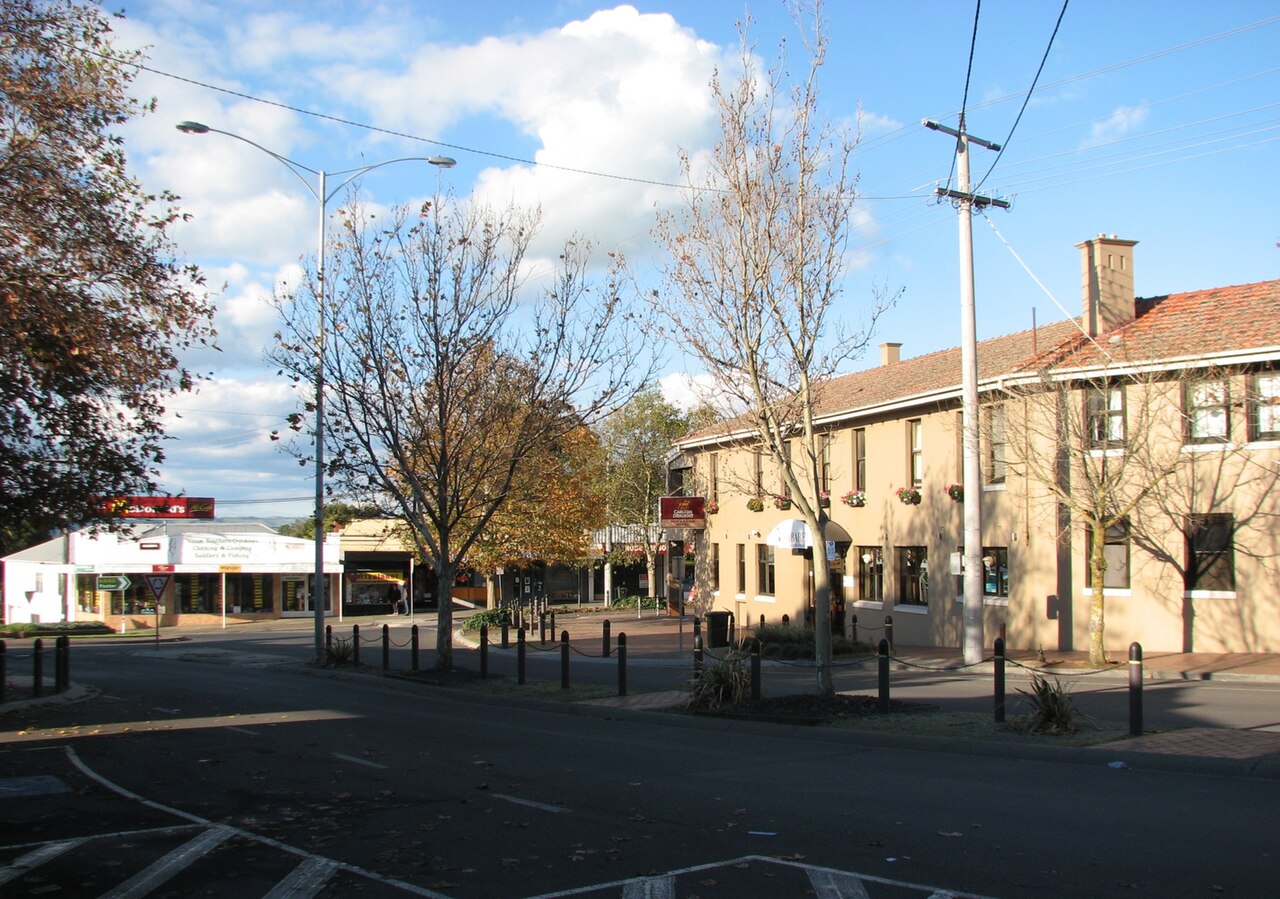
On July 29, 2023, Erin Patterson invited her former in-laws to lunch at her home in Leongatha, a quiet town in rural Victoria, Australia. She served beef wellington. By August 4th, three of her four guests were dead.
The case would become the most widely reported mushroom poisoning in modern history. It drew international media attention, revived questions about foraging safety in Australia, and put a single species at the center of it all: Amanita phalloides, the death cap mushroom.
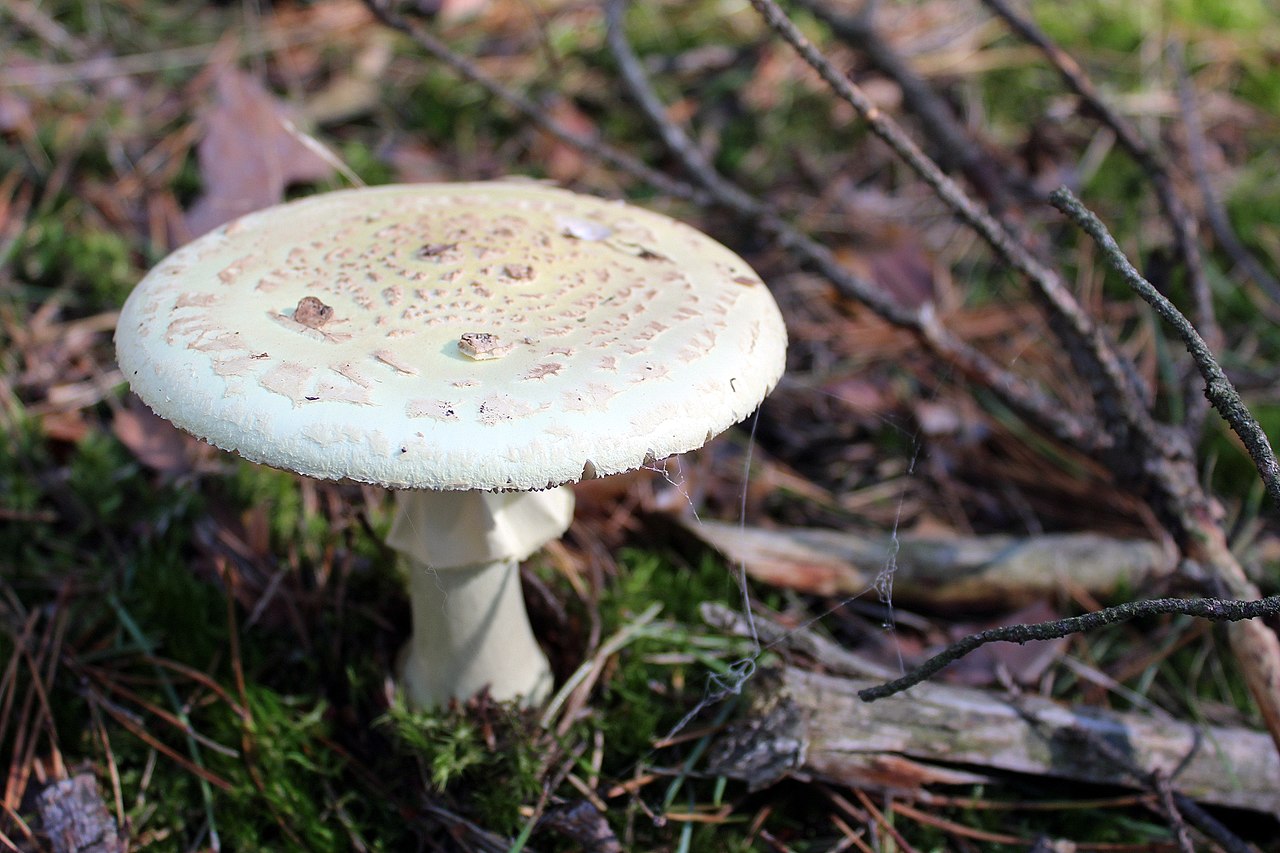
This is the full story: what happened at that lunch, how the mushroom kills, and why death caps are growing across Australia in the first place.
The Lunch
Erin Patterson, 49 at the time, had separated from her husband Simon Patterson. Despite the separation, she maintained a relationship with his parents. Gail and Don Patterson, both in their 70s. She invited them to lunch at her home on Korumburra– Wonthaggi Road.
Gail's sister, Heather Wilkinson, and Heather's husband Ian also attended. Four guests in total. Erin and her two children were present as well, but reportedly ate from a separate dish.
The main course was beef wellington, pastry-wrapped beef with a mushroom filling. It was, by all accounts, a normal family lunch.
What happened next would change everything.
The Timeline
Three people dead within a week. A fourth clinging to life in intensive care. All from a single meal.
Ian Wilkinson's survival was remarkable. His liver had been destroyed by the toxins, and he spent weeks on life support before a transplant donor was found. He was discharged from the hospital months later.
The Mushroom: How the Death Cap Kills
The death cap (Amanita phalloides) is responsible for more than 90% of mushroom-related deaths worldwide. It contains amatoxins, specifically alpha-amanitin, which attack the liver at a cellular level by inhibiting RNA polymerase II, an enzyme essential for protein synthesis.
What makes death cap poisoning so devastating is the timeline. It unfolds in three distinct phases, and by the time most people seek medical help, the damage is already done.
Phase 1: The Latent Period (6–12 hours)
Nothing happens. The person feels fine. This delay is one of the most dangerous features of amatoxin poisoning; other types of food poisoning hit within 1–2 hours, so a 6-hour gap lulls victims into thinking the meal was safe. Meanwhile, the toxins are being absorbed by the gut and transported to the liver.
Phase 2: The Gastrointestinal Phase (12–36 hours)
Violent vomiting, diarrhea, and abdominal cramps. This looks like severe food poisoning and is often treated as such in emergency rooms. Many patients are rehydrated and sent home.
Phase 3: The False Recovery & Liver Failure (36–72+ hours)
The GI symptoms subside. The patient feels better. This is the cruelest stage. Beneath the surface, amatoxins are systematically destroying hepatocytes (liver cells). Within days, liver function collapses. Jaundice sets in. Kidney failure follows. Without a liver transplant, death typically occurs within 6–16 days of ingestion.
This is what makes amatoxin poisoning so insidious: the body appears to recover just as the real damage begins.
There is no antidote. Treatment is supportive: IV fluids, activated charcoal if caught early, silibinin (an extract from milk thistle) in some protocols, and ultimately liver transplantation if the organ fails. The mortality rate for untreated death cap poisoning is estimated at 50–90% (NCBI: Amatoxin Toxicity).
The Investigation
Victoria Police launched a homicide investigation almost immediately. The speed and severity of the symptoms, combined with the fact that Erin and her children were unharmed, raised suspicion from the start.
Erin Patterson initially told investigators she had purchased mushrooms from an Asian grocery store in Melbourne. She later changed her account, saying she had foraged the mushrooms from a local area near Leongatha.
Then came a critical piece of evidence. A food dehydrator was found at a local tip (an Australian term for a rubbish dump) that Erin had discarded after the lunch. Forensic testing found the dehydrator contained traces of amatoxins, consistent with death cap mushrooms having been dried in it.
In November 2023, Erin Patterson was arrested and charged with three counts of murder and five counts of attempted murder. She pleaded not guilty.
On July 7, 2025, a jury found Erin Patterson guilty of three counts of murder and five counts of attempted murder. On September 8, 2025, she was sentenced to life imprisonment.
The case drew intense media scrutiny, both in Australia and internationally. The verdict confirmed what the evidence had strongly suggested: this was deliberate poisoning, not a foraging accident.
Why Death Caps Grow in Australia
Amanita phalloides is not native to Australia. It arrived in the 1800s, hitchhiking on the root systems of European oak trees imported during colonization. The mushroom forms mycorrhizal relationships with oaks (it lives on and around their roots), and wherever European oaks were planted, death caps followed.
Today, death caps are established in Melbourne, Canberra, Adelaide, and parts of regional Victoria and the ACT. They fruit in autumn (March–May in the Southern Hemisphere) and are most commonly found under oak trees in parks, gardens, and urban streetscapes.
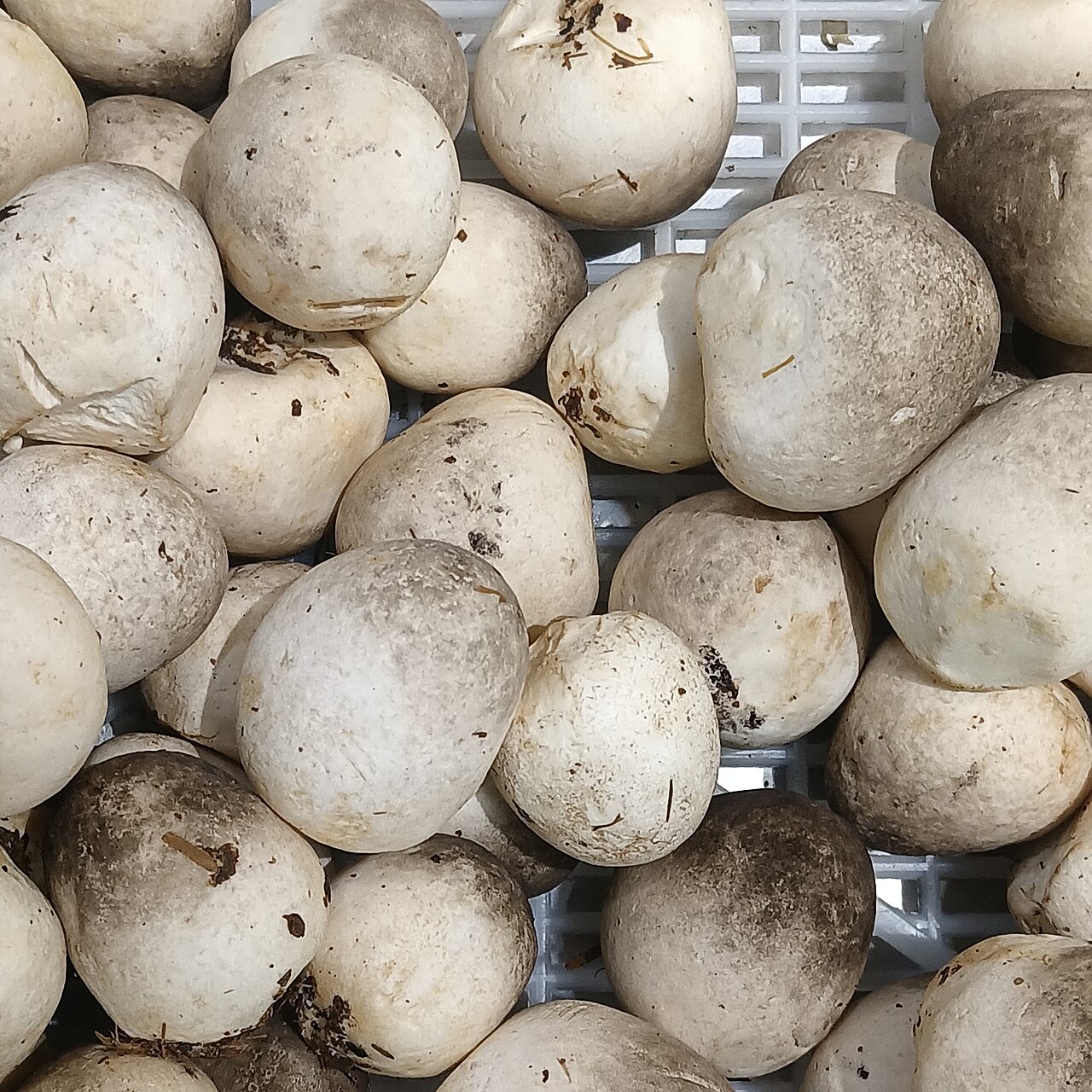
The problem is compounded by a dangerous resemblance. Death caps look remarkably similar to paddy straw mushrooms (Volvariella volvacea), a popular edible species in Southeast Asian cooking. This has led to a pattern of poisonings among Asian-Australian communities, particularly people who forage based on knowledge from their home countries where Amanita phalloides does not exist.
In 2014, a New Year's Eve dinner in Canberra turned fatal when a guest served foraged mushrooms that turned out to be death caps. Two people died. It was one of several incidents that prompted public health warnings across the ACT and Victoria.
Related species like the destroying angel (Amanita virosa) carry the same amatoxins and pose similar risks in temperate regions worldwide.
How to Identify a Death Cap
The death cap has several distinguishing features, though none should be relied upon individually. Always use a combination of characteristics:
- Cap: 5–15 cm, greenish-yellow to olive-green, sometimes pale white. Smooth, slightly sticky when wet.
- Gills: White, free (not attached to the stem), closely spaced.
- Ring (annulus): A thin, skirt-like ring on the upper stem, often fragile.
- Base: Bulbous, enclosed in a cup-shaped volva (sac) that is often buried in soil. This is the single most important identification feature.
- Spore print: White.
- Smell: Faintly sweet or honey-like when young, becoming unpleasant as the mushroom ages.
For a complete identification guide with images, see our death cap species page.
The Leongatha case became the most high-profile mushroom poisoning in modern history. But it's not an isolated event. Death caps kill people in Australia every year, most of them foragers who didn't know what they were picking.
Victoria's Department of Health issues warnings every autumn. Poisons hotlines see a spike in calls each year between March and May. And yet people keep eating wild mushrooms they can't identify, because the death cap looks so ordinary, so much like something you'd buy at a market.
That's the lesson of the death cap. It doesn't look dangerous. It doesn't taste dangerous. It doesn't even make you sick right away. By the time you know something is wrong, your liver is already failing.