Jewelled Amanita vs The Blusher
Amanita gemmata compared with Amanita rubescens — how to tell them apart in the field.
This is a dangerous confusion.
At least one of these species is toxic. Never eat a wild mushroom based on a photo comparison alone — verify with local experts.
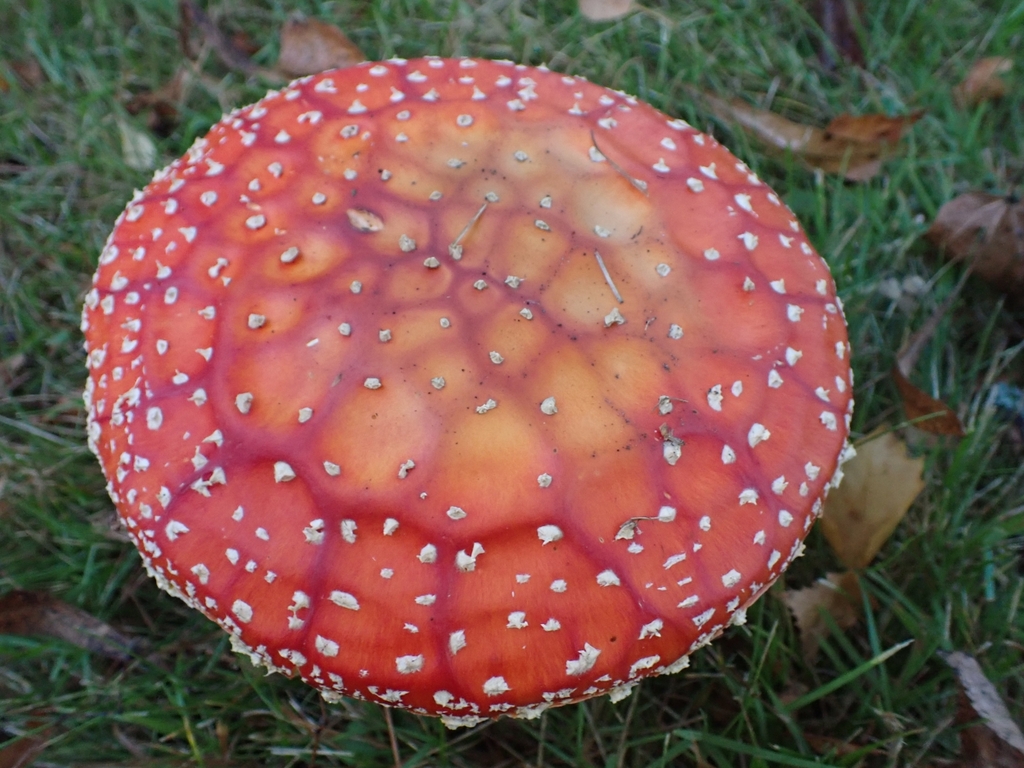
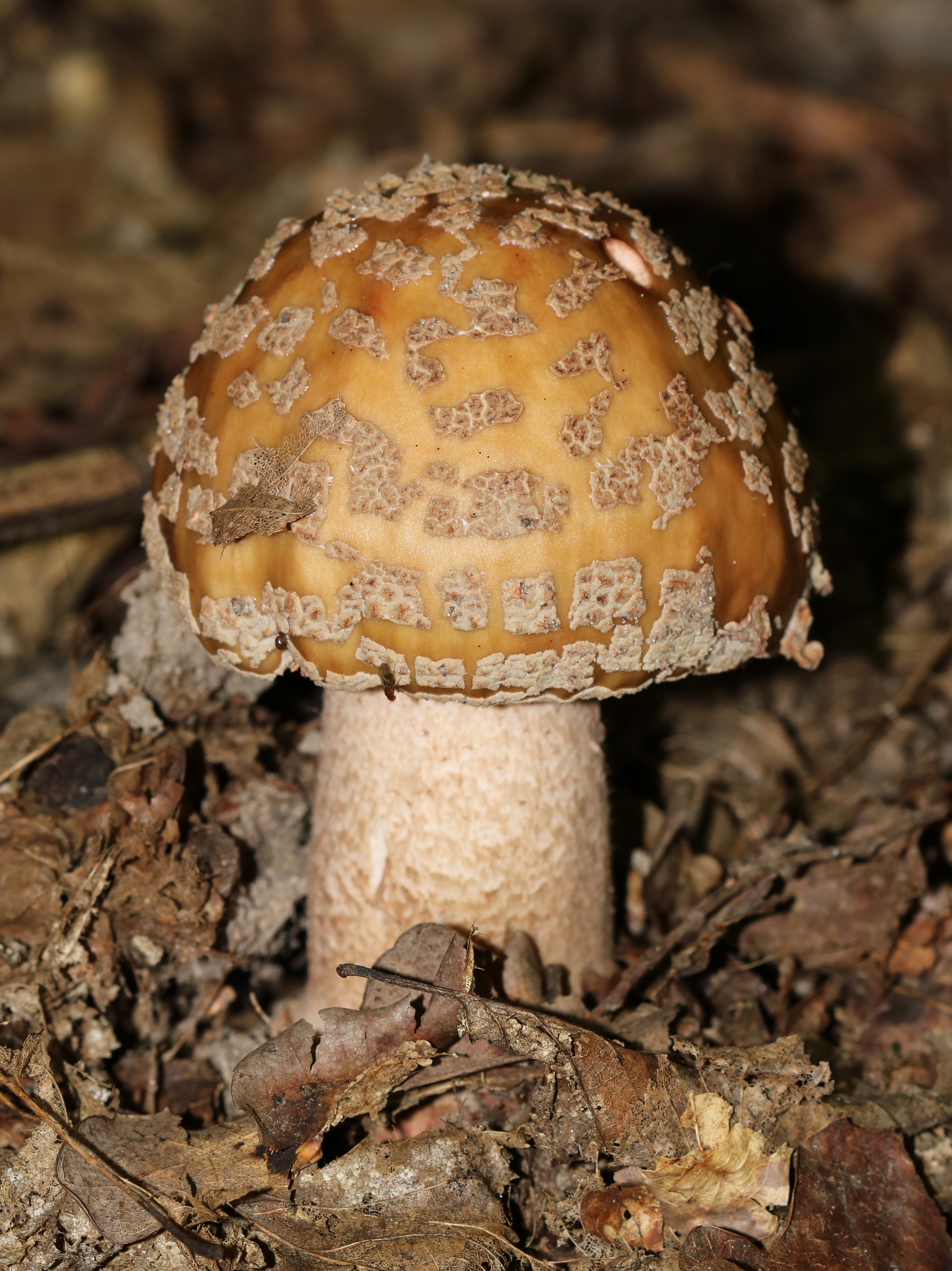
How to Tell Them Apart
Pinkish-brown cap with greyish warts. The key tell: all damaged flesh turns pink to reddish. Jewelled Amanita does not blush. The Blusher is edible when cooked, making correct distinction important for foragers.
Smaller and paler, with a yellow to ochre cap and white warts. Does not blush pink. The ring is fragile and often disappears early. Considered mildly toxic. Typically found under conifers rather than broadleaf trees.
Side-by-Side Identification
| Trait | Jewelled Amanita | The Blusher |
|---|---|---|
| Cap | 4-10 cm across. Hemispherical at first, expanding to convex or flat. Bright butter-yellow to golden-yellow, sometimes pale cream-yellow. Surface smooth, often with scattered white to cream veil patches (warts). Margin distinctly striate (lined) when mature. | 5 to 15 cm across. Rounded when young, flattening with age. Pinkish-brown to reddish-brown with scattered greyish or pinkish wart-like patches (veil remnants). Warts wash off in rain. Flesh beneath the skin turns pink when damaged. |
| Gills | White, free from the stem, closely spaced. Remain white throughout. | White, crowded, free from the stem. Stain pinkish-red where bruised or cut. Spore print is white. |
| Stem | 5-12 cm tall, white, slightly fibrous. Ring is thin and fragile, often disappearing quickly. Base has a small, collar-like or sack-like volva that may be reduced to a rim on the bulb. | 5 to 15 cm tall, 1.5 to 3 cm thick. White above the ring, pinkish below. Bulbous base without a distinct sac-like volva. Ring is prominent, striate (grooved) on the upper surface. |
| Spore print | White. | White. |
| Bruising | — | The defining feature: all parts of the flesh slowly turn pink to reddish when cut, bruised, or damaged by insects. This reaction is unique among common Amanitas. |
| Odor | Mild, not distinctive. Some describe a faint earthy or mushroomy scent. | Faint, not distinctive. Some describe a mild, pleasant mushroom smell. |
| Habitat | Mycorrhizal with both conifers and broadleaf trees. Common in pine, spruce, oak, and beech forests. Found in sandy or well-drained soils, forest edges, and clearings. | Mycorrhizal with both deciduous and coniferous trees, especially oaks, beeches, birches, and pines. Found in mixed and broadleaf woodlands, parklands, and gardens with mature trees. Prefers well-drained, slightly acidic soils. Often fruits along paths and woodland edges where the soil has been disturbed. |
| Season | May through October. One of the earlier Amanitas to fruit, often appearing in late spring or early summer. | June through November. Peak fruiting in August and September across most of its range. |
Found one of these in the wild? Don't rely on memory — identify it from a photo with Orangutany and check it against both species before you touch it.