Button Mushroom vs Yellow Stainer
Agaricus bisporus compared with Agaricus xanthodermus — how to tell them apart in the field.
This is a dangerous confusion.
At least one of these species is toxic. Never eat a wild mushroom based on a photo comparison alone — verify with local experts.
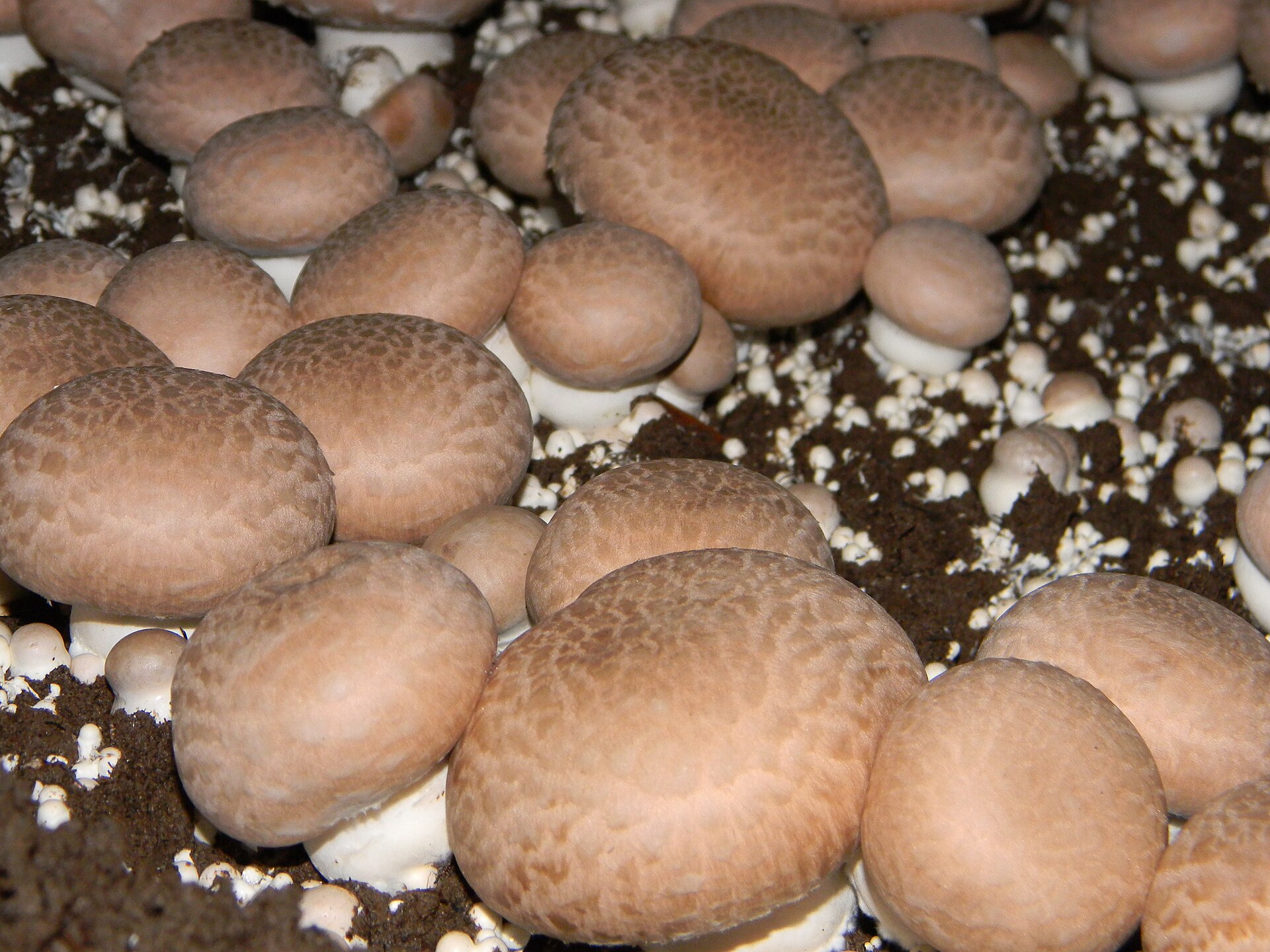
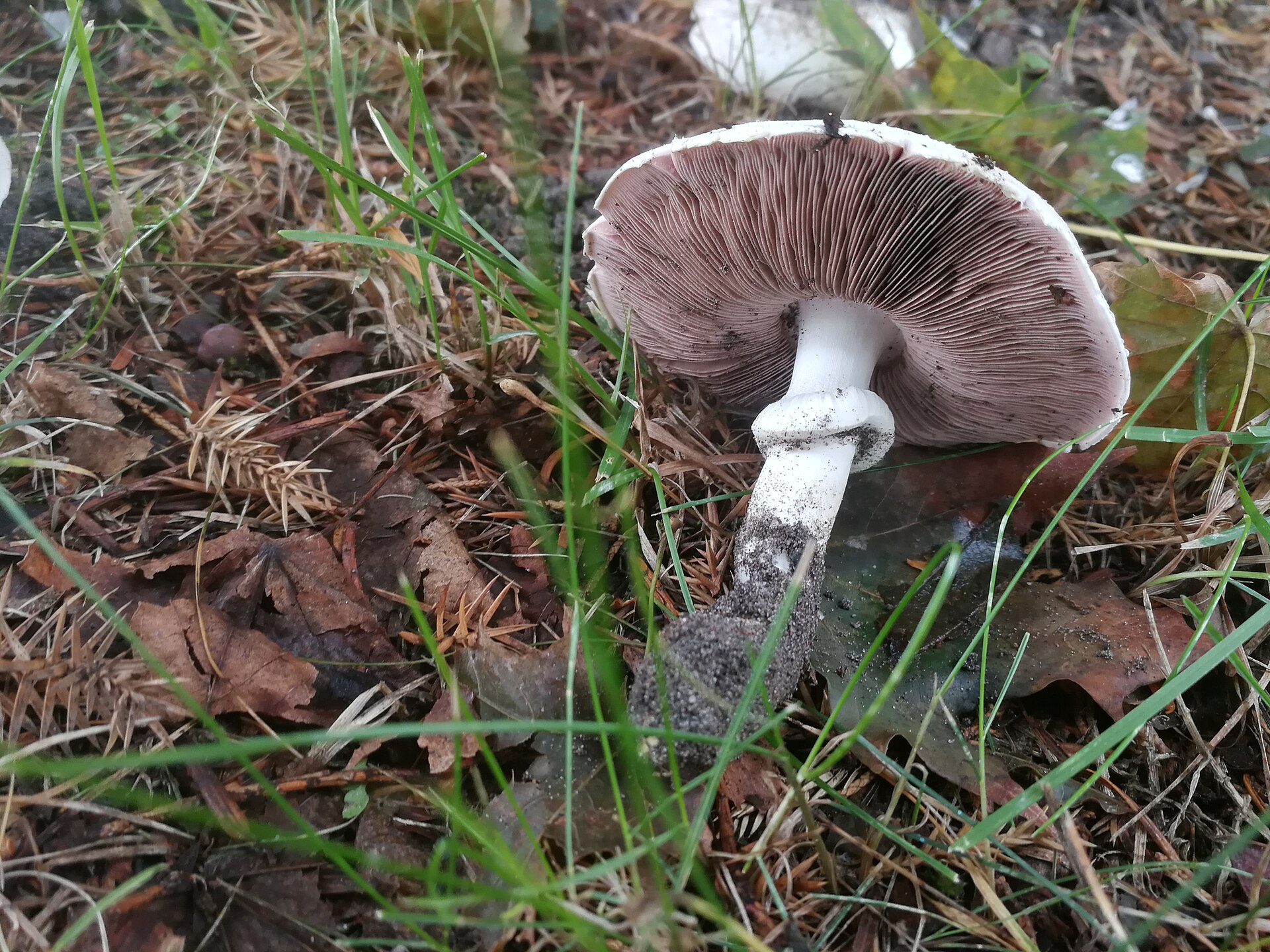
How to Tell Them Apart
Looks similar in the button stage. The critical test: cut the base of the stem or scratch the cap surface. If it stains bright chrome yellow and emits a strong chemical, ink-like (phenolic) smell, it is A. xanthodermus. Causes unpleasant gastrointestinal symptoms. A. bisporus does not stain yellow and smells pleasantly mushroomy.
The cultivated supermarket mushroom. No yellow staining. Mild, pleasant smell. In the wild it's rarely encountered because it's almost entirely a commercially grown species. If you're finding white Agaricus mushrooms in your garden, assume Yellow Stainer until proven otherwise.
Side-by-Side Identification
| Trait | Button Mushroom | Yellow Stainer |
|---|---|---|
| Cap | Wild form: 5-10 cm across, convex, brown to dark brown with fine fibrillose scales. Cultivated white form: smooth, white, 3-8 cm. Cultivated brown (cremini/portobello): 4-15 cm, tan to dark brown. Portobello stage shows exposed dark gills with cap fully expanded. | 5–15 cm across, initially domed or squarish (a slightly boxy shape when young is characteristic), expanding to convex then flat. White to off-white, sometimes with faint grey-brown tones at the center. Surface smooth to slightly scaly. Stains bright chrome-yellow when scratched or rubbed — this is the defining feature. |
| Gills | Free (not attached to stem). Start pale pink in young specimens (button stage), darkening through chocolate brown to nearly black as the mushroom matures and the cap opens. In the sealed button stage, gills are hidden by a partial veil. | Free from the stem. White when very young, turning pink, then chocolate-brown, and finally dark brown-black as spores mature. Crowded and thin. Identical in progression to edible Agaricus species — gills alone won't save you. |
| Stem | 3-6 cm tall, 1-2.5 cm thick. White, smooth, solid. Has a thin, fragile ring (remnant of the partial veil) that is often reduced to a faint zone in mature specimens. No volva at the base. | 6–15 cm tall, 1–2 cm wide, white, smooth above the ring. Has a prominent membranous ring (annulus) on the upper half. The critical test: slice the very base of the stem lengthwise and the flesh turns bright chrome-yellow instantly. This yellow staining at the base is the single most reliable field test. |
| Spore print | Dark chocolate brown. | Dark chocolate-brown to purplish-brown. |
| Odor | Mild, pleasant, the classic 'mushroom' smell that defines the category for most people. Faintly earthy. | Unpleasant chemical smell — described as ink, phenol, carbolic acid, or Indian ink. Faint when raw but becomes overpoweringly obvious when the mushroom is cooked. A normal field mushroom smells pleasant and mushroomy; if it smells like a chemistry lab, put it down. |
| Habitat | Wild: coastal grasslands and composted soils in California and possibly Mediterranean Europe. Cultivated: grown on composted horse manure, straw, and agricultural waste in climate-controlled facilities worldwide. A saprobic species that feeds on decaying organic matter. | Extremely common in disturbed, nutrient-rich ground. Gardens, lawns, parks, playing fields, roadsides, hedgerows, churchyards, wood chip mulch, compost heaps. Also found in mixed woodland edges and under cypresses. Thrives in urban and suburban environments — which is exactly why so many people encounter it. |
| Season | Wild: autumn and winter in coastal California. Cultivated: year-round, with production cycles of approximately 6-8 weeks from spawning to harvest. | Summer through autumn, typically July to November. Peak fruiting in September and October. Can appear earlier after warm rain. Often fruits in large troops or fairy rings. |
Found one of these in the wild? Don't rely on memory — identify it from a photo with Orangutany and check it against both species before you touch it.