The 10 Rarest Mushrooms in the World
By Elena Marchetti · March 10, 2026
Most people who go looking for mushrooms are hoping to find one. The species on this list are the opposite — mushrooms so rare that some mycologists spend entire careers without ever seeing them in the wild. A fungus that exists only in Texas and Japan, separated by 11,000 kilometers of ocean with no explanation. A mushroom so valuable it has restructured entire Himalayan economies and sparked violent territorial wars. A glowing species that ancient Japanese villagers mistook for fox spirits drifting through the forest at night.
These are the ten rarest mushrooms on Earth — and the remarkable stories of how they have shaped science, culture, and human lives.
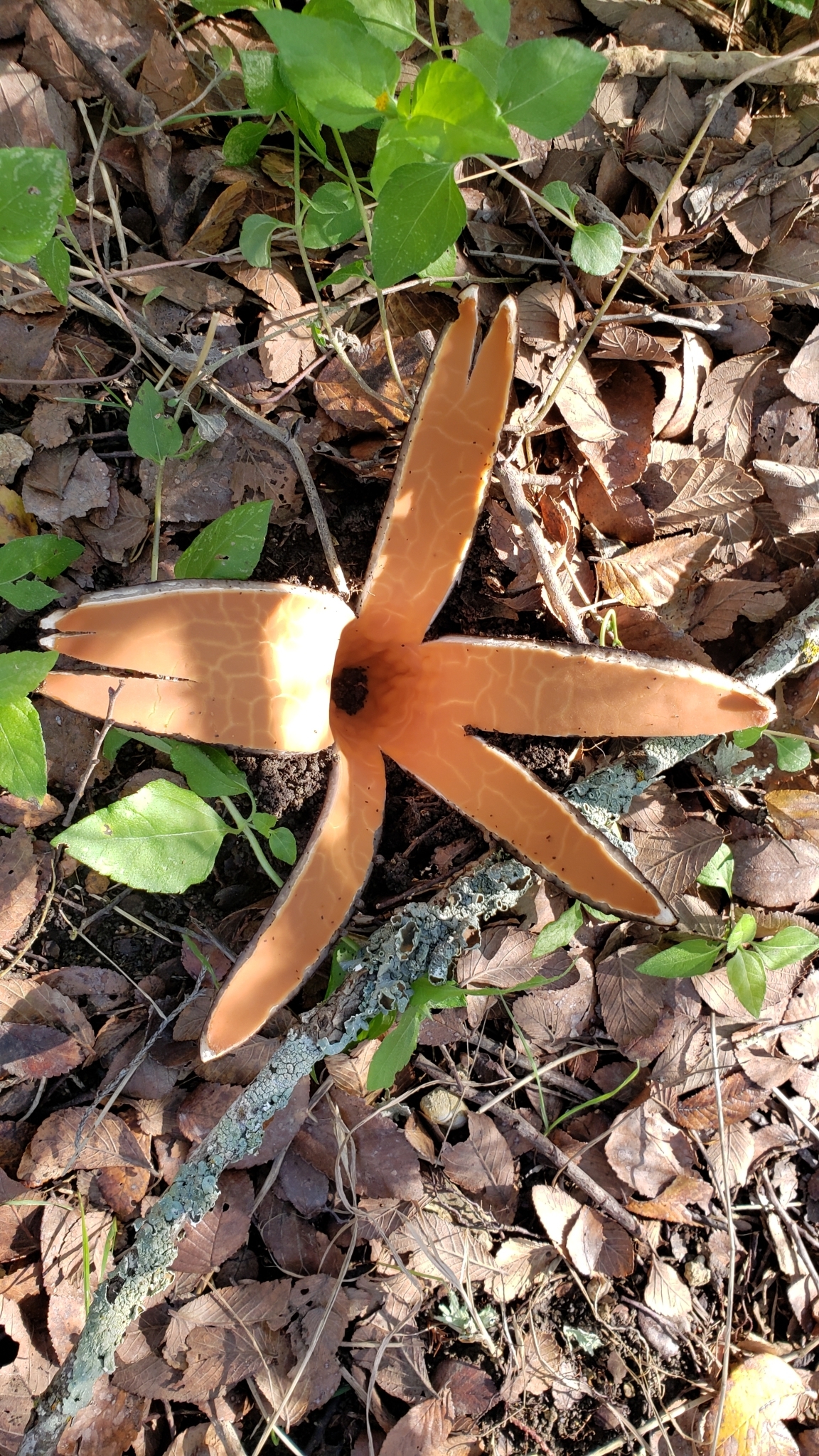
1. Devil's Cigar (Chorioactis geaster)
There are exactly two places on Earth where you can find this mushroom: central Texas and a handful of mountain sites in Nara Prefecture, Japan. That is it. Eleven thousand kilometers of ocean separate the two populations, and despite decades of searching, nobody has found it anywhere in between.
Before it opens, Devil's Cigar looks exactly like a dark brown cigar stub lying on the ground. Then it splits — the leathery exterior peels back into a star shape with four to six pointed rays, releasing a faint hissing sound and a visible puff of spores. It is one of the only fungi known to be audible.
Molecular analysis revealed that the Texas and Japanese populations diverged over 19 million years ago, making this mushroom a living biogeographic relic from when North America and Asia shared ancient land connections. In 2021, Texas made it the official state mushroom. In Japan, where it is called kirinomitake, mountain communities historically considered it a sign of spiritual power.
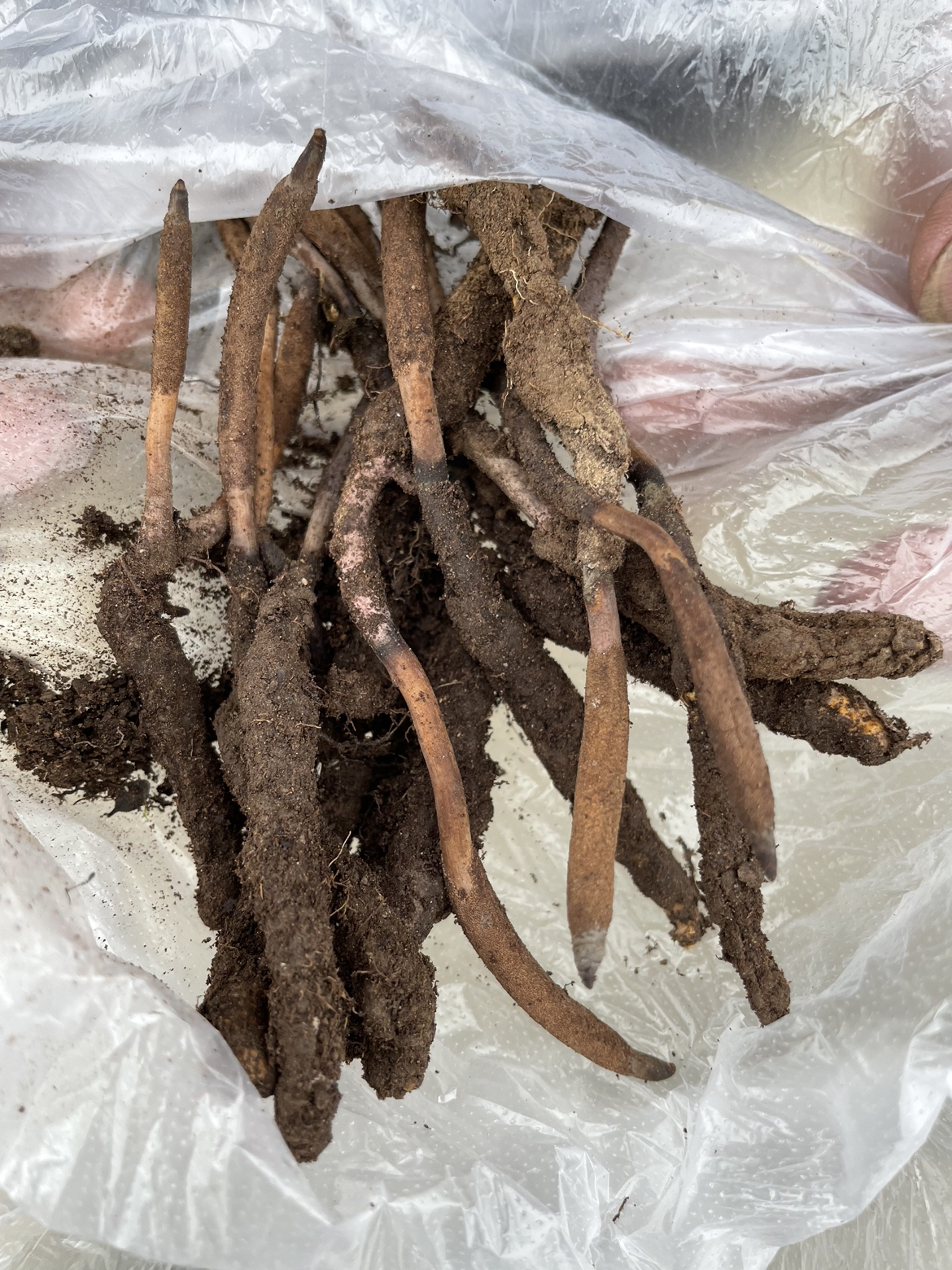
2. Caterpillar Fungus (Ophiocordyceps sinensis)
The most expensive biological material on Earth by weight — exceeding gold at up to $63,000 per pound in peak years. It grows only in alpine grasslands of the Tibetan Plateau and Himalayas above 3,500 meters, where it parasitizes ghost moth larvae underground, mummifying the caterpillar and sprouting a single thin fruiting body from its head. It cannot be commercially cultivated. Nobody has figured out how.
Known as yartsa gunbu in Tibetan, it has fueled a modern gold rush across the Himalayas. In parts of Tibet, Nepal, and Bhutan, caterpillar fungus collection accounts for up to 80 percent of household income. Harvesting season triggers mass migrations of tens of thousands of pickers into alpine meadows, leading to violent territorial conflicts — and in some cases, killings. In traditional Chinese medicine, it has been prized for over 1,500 years as a tonic for vitality and endurance.
Wild populations have declined 30 to 50 percent since the 1990s. Climate change is pushing its viable habitat higher up mountains that are running out of altitude.
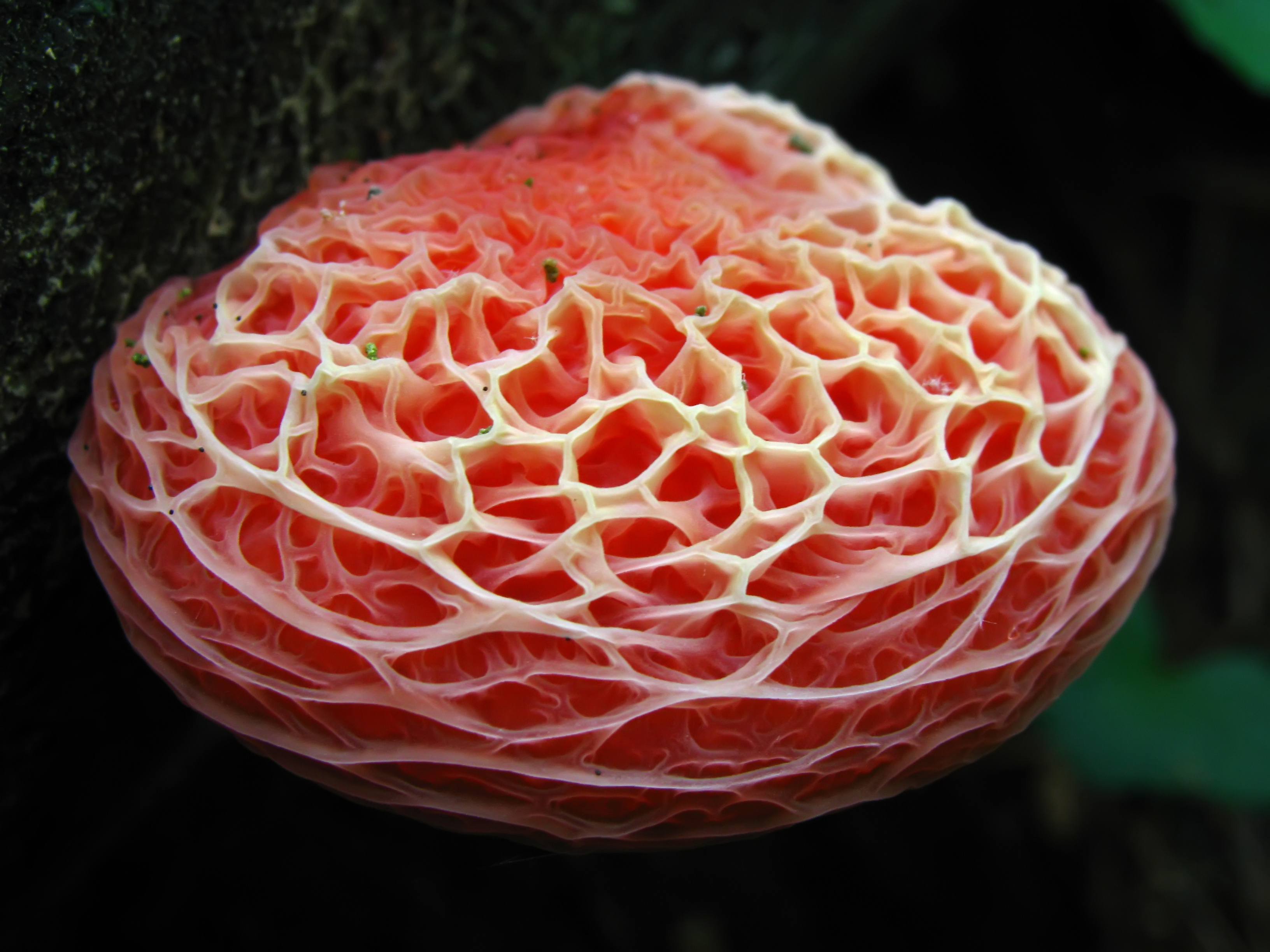
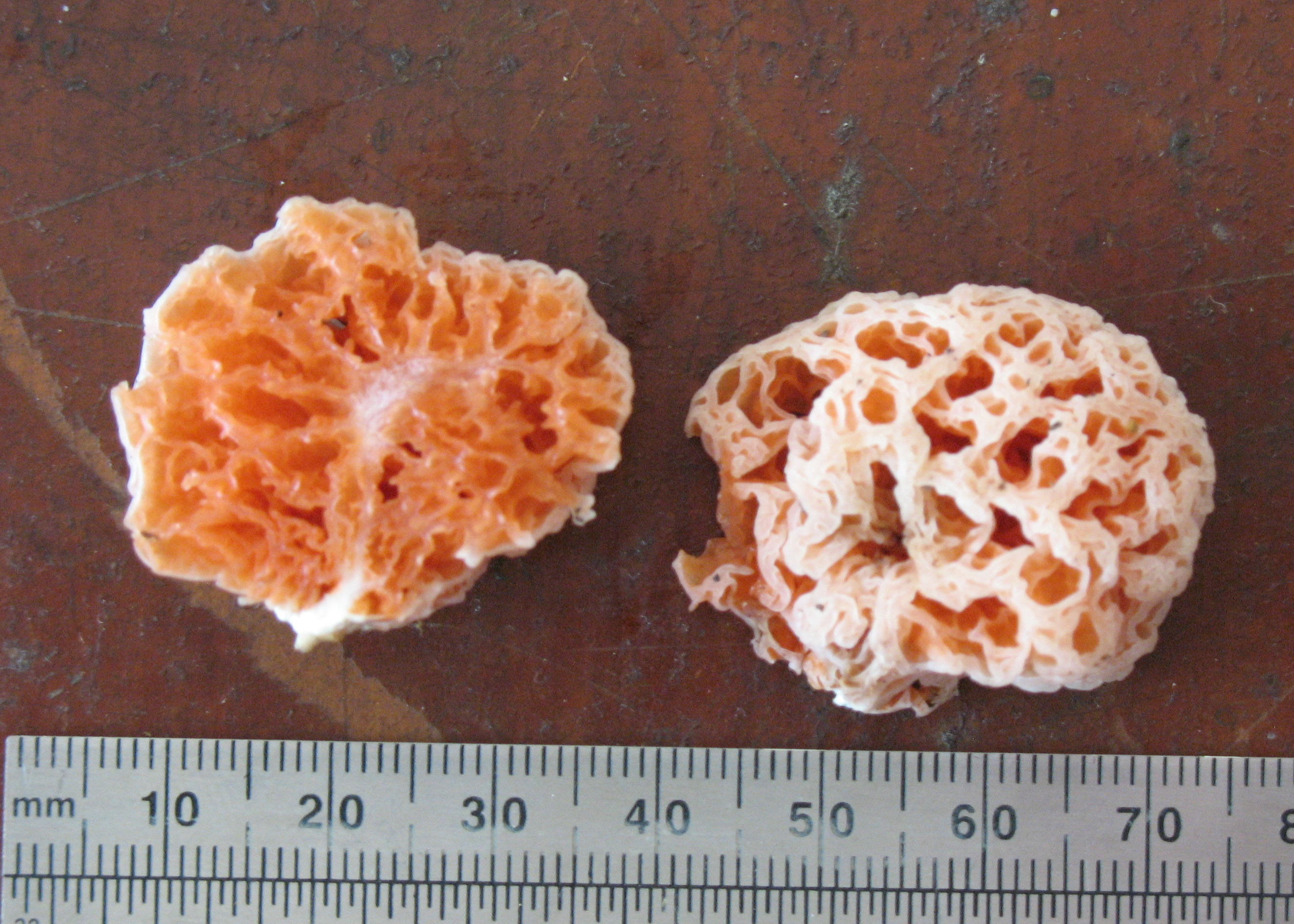
3. Wrinkled Peach (Rhodotus palmatus)
The sole species in its entire genus, and one of the most visually otherworldly fungi in existence. Its translucent pink cap is covered with a deeply wrinkled, net-like surface that looks almost artificial — like something grown in a laboratory rather than on a rotting log.
Rhodotus palmatus is classified as critically endangered or extinct across more than a dozen European countries. It grows exclusively on decaying hardwood, particularly elm. When Dutch elm disease swept across Europe and North America, killing hundreds of millions of trees, it paradoxically both created and then destroyed the Wrinkled Peach's habitat — dead elms provided substrate, but as the wood was cleared, the fungus lost its home.
This mushroom became the poster child of fungal conservation in Europe, helping drive the first legal protections for fungi. Historically, conservation law covered only animals and plants. When Rhodotus was rediscovered in parts of England after years of presumed local extinction, it made national news.
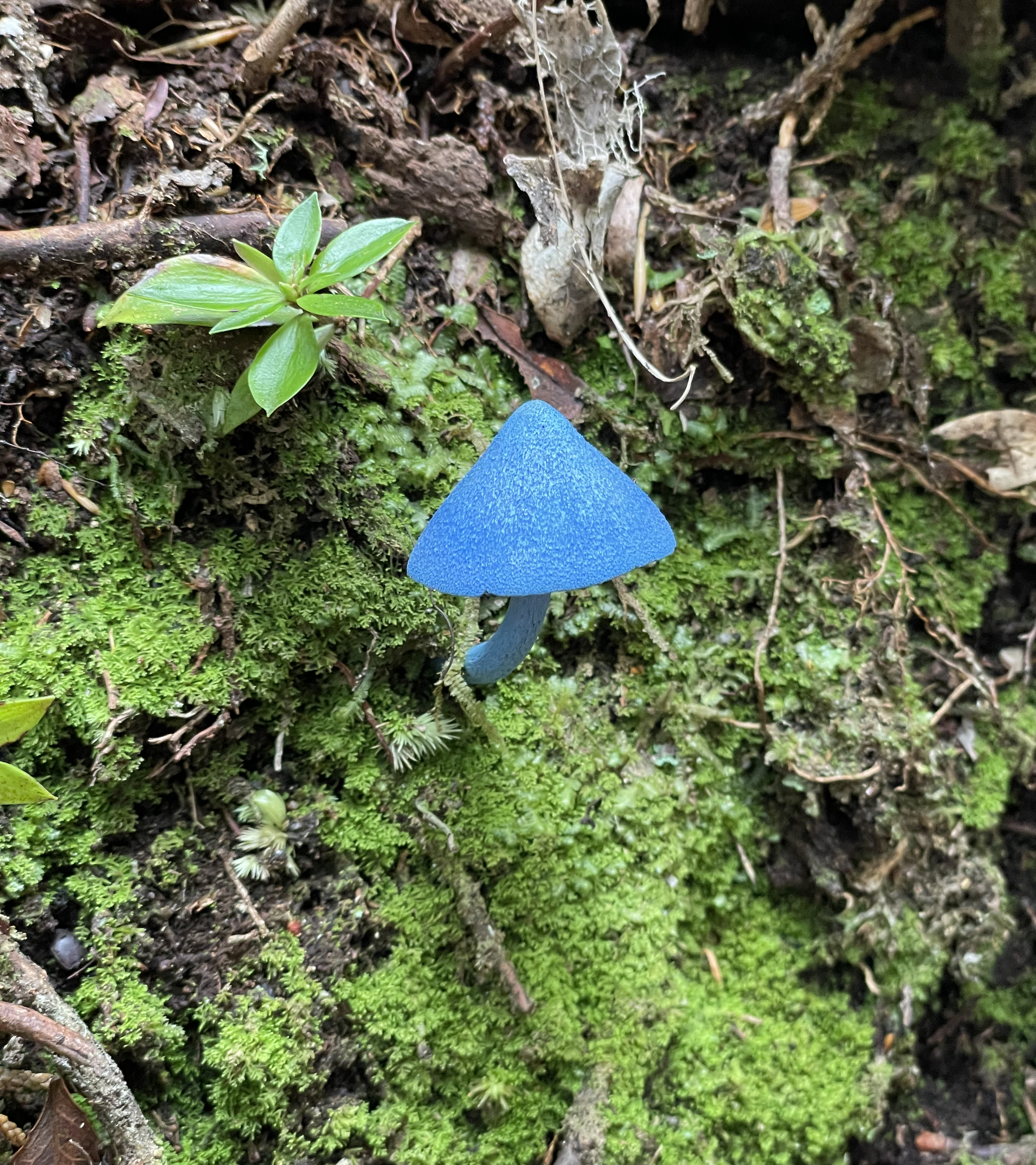
4. Sky Blue Mushroom (Entoloma hochstetteri)
A small, entirely blue mushroom found only in the native podocarp and broadleaf forests of New Zealand and a few sites in India. Its vivid indigo color, caused by azulene pigments chemically identical to compounds found in chamomile, makes it instantly recognizable, but it fruits so unpredictably and sparingly that sightings remain genuinely rare.
In 2002, New Zealand placed this mushroom on the $50 banknote alongside the kokako bird — making it one of the only fungi ever depicted on legal currency anywhere in the world. For New Zealanders, the blue mushroom has become a symbol of the country's extraordinary endemic biodiversity, appearing on stamps, souvenirs, and conservation campaigns. It was named after Ferdinand von Hochstetter, an Austrian geologist who surveyed New Zealand in 1858.
5. SpongeBob Mushroom (Spongiforma squarepantsii)
Known from a single location on Earth: the old-growth dipterocarp forests of Lambir Hills National Park in Sarawak, Malaysian Borneo. Discovered in 2010 and formally described in 2011, it has no cap and no stem — instead it forms a rubbery, orange, sponge-like mass on the forest floor that springs back to shape when squeezed.
When mycologists Dennis Desjardin, Kabir Peay, and Tom Bruns examined it under electron microscopy, they found the spore-producing surface looked remarkably like a sea sponge. They named it squarepantsii as a formal Linnaean tribute to SpongeBob SquarePants. Taxonomic reviewers initially questioned the dignity of the name, but the authors argued it would draw public attention to fungal biodiversity — and they were right. The paper generated more media coverage for tropical mycology than perhaps any other species description this century.
Its entire existence depends on old-growth tropical rainforest, an ecosystem under massive logging pressure in Borneo, where deforestation rates are among the highest globally.
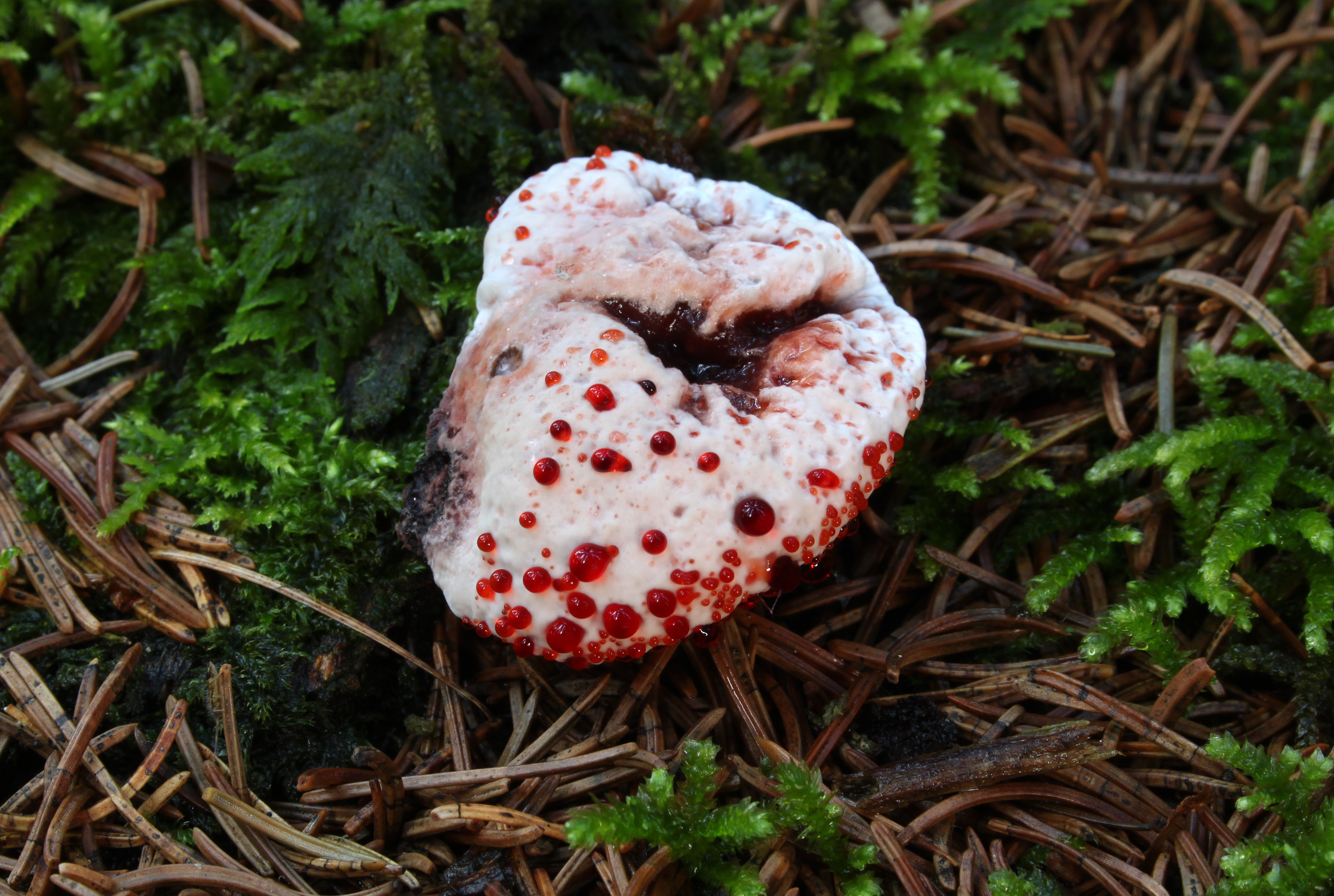
6. Bleeding Tooth Fungus (Hydnellum peckii)
Young specimens ooze thick droplets of bright red liquid through their pale, tooth-covered surface — a process called guttation that makes it look like the mushroom is actively bleeding. It is one of the most viscerally unsettling sights in the fungal kingdom, and one of the most viral fungi on the internet.
Despite its horrifying appearance, Hydnellum peckii is not toxic, just extremely bitter and thoroughly inedible. The pigments responsible for the red droplets have been studied for potential anticoagulant properties, which has attracted pharmaceutical research interest. In the Pacific Northwest, Indigenous peoples reportedly used related species as textile dye sources.
While historically widespread in coniferous forests of North America and Europe, it has become rare across most of its European range and is now Red Listed in multiple countries. Its decline tracks directly with the loss of old-growth conifer forests — it forms ectomycorrhizal bonds with living tree roots and cannot be cultivated.
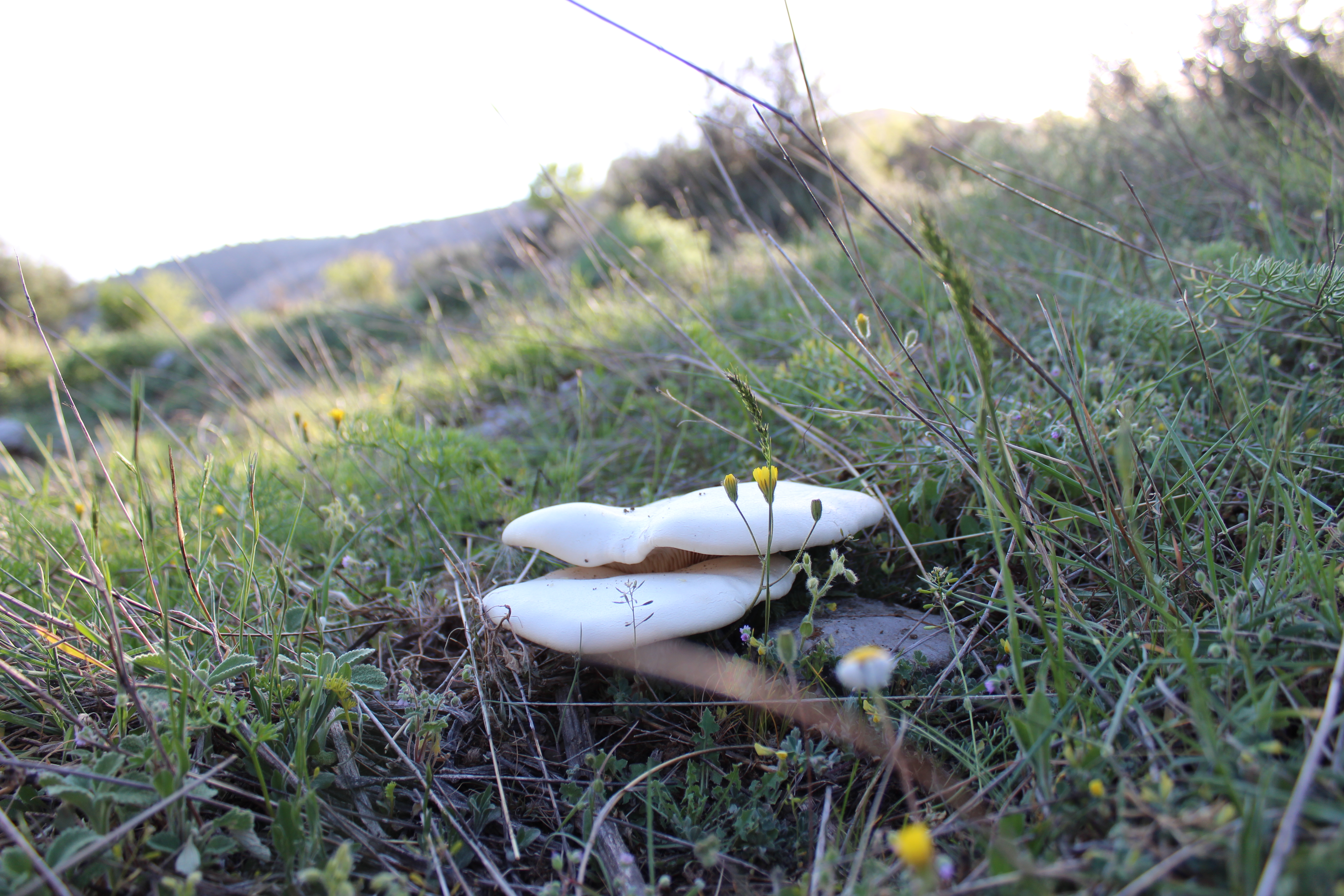
7. Ferla Mushroom (Pleurotus nebrodensis)
One of only a handful of fungi on the IUCN Red List, classified as critically endangered. Its entire known wild range is limited to the Madonie Mountains of Sicily, a few sites in Greece, and scattered populations in Central Asia. It grows exclusively in association with Cachrys ferulacea, a wild fennel relative, in limestone grasslands above 1,500 meters.
In Sicily, the fungo di ferla is considered the most prized edible mushroom — historically more valued than truffles by the shepherds of the Madonie Mountains, who ate it for centuries as a staple food during long seasons in the high pastures. As word of its exceptional flavor spread beyond the mountains, commercial collectors stripped the hillsides. Within a generation, a mushroom that had sustained a pastoral culture for centuries was pushed to the edge of extinction.
This triggered one of the first conservation programs specifically for a mushroom. The Madonie Regional Natural Park now patrols harvesting areas, and Italian mycologists have developed limited cultivation techniques. A kilogram of wild specimens still sells for over 100 euros.
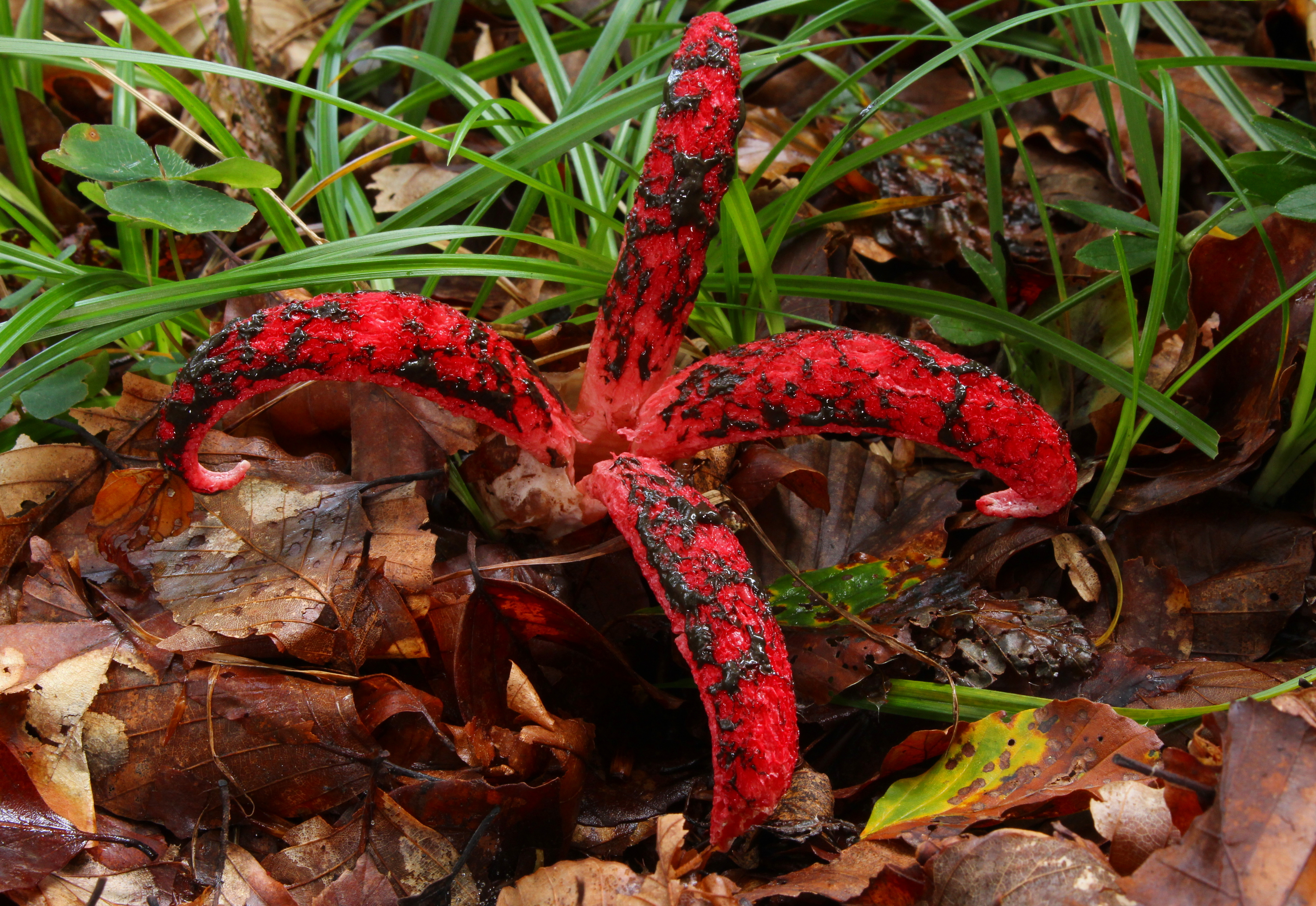
8. Devil's Fingers (Clathrus archeri)
It erupts from a gelatinous white egg on the forest floor — four to eight blood-red tentacle-like arms unfurling like an alien hatching, each one coated in dark olive stinking slime. The smell is rotting flesh, and that is the point. Blowflies and carrion beetles arrive within minutes, crawl over the gleba, and fly away covered in spores.
Native to Australia and New Zealand, where it is uncommon enough that finding one is an event. Its European fame began during World War I — first recorded in France in 1914, possibly arriving in wool shipments from the Southern Hemisphere. French villagers who encountered blood-red, foul-smelling fingers erupting from the earth reportedly believed they were connected to the carnage of the trenches. The nickname stuck.
Its time-lapse emergence — from white egg to full alien glory in just a few hours — has made it one of the most filmed fungi on YouTube and the only well-documented case of an invasive macrofungus colonizing an entire continent.
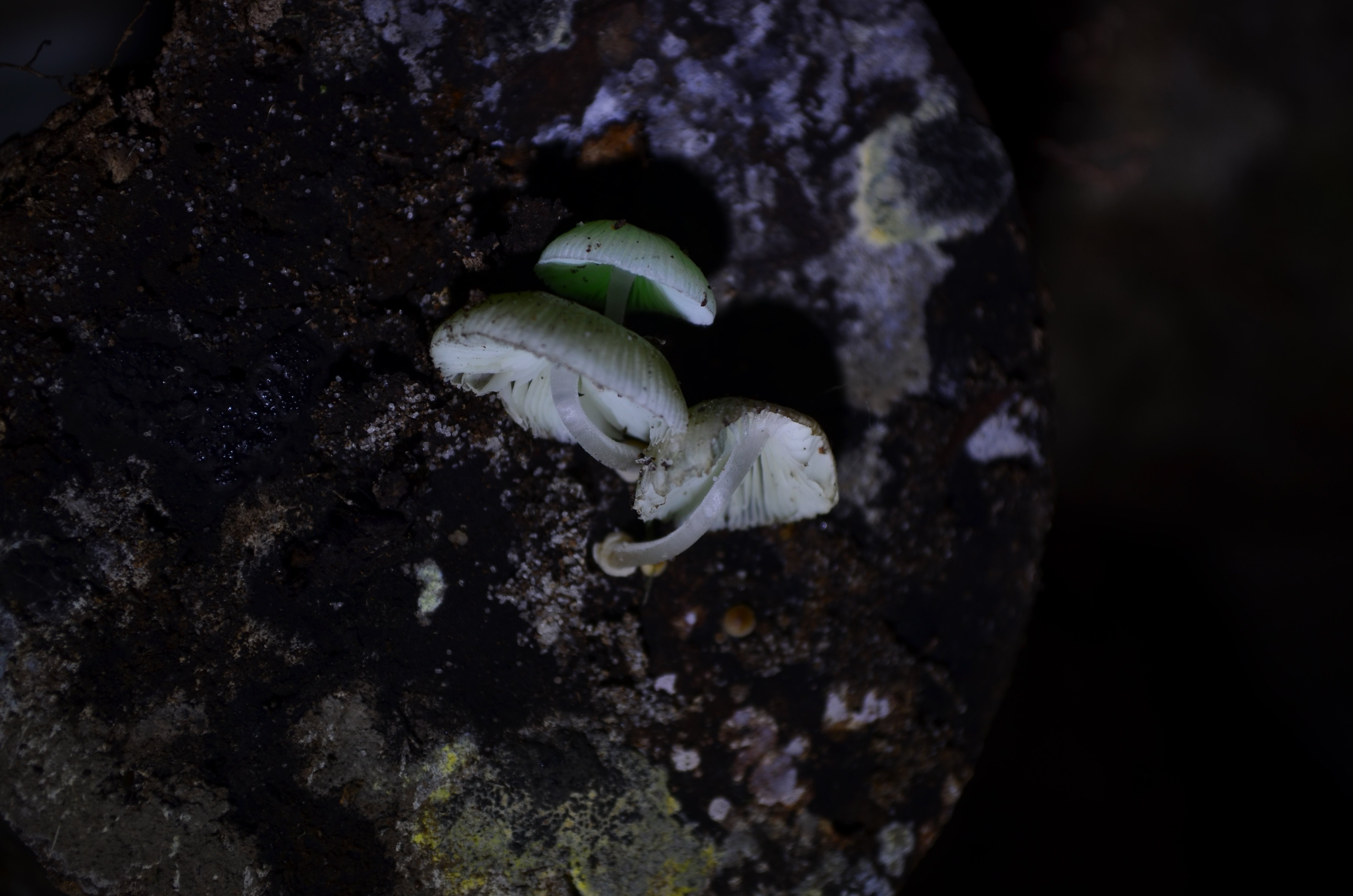
9. Bioluminescent Mycena (Mycena chlorophos)
One of the brightest bioluminescent mushrooms known. Its pale green glow is visible to the naked eye in darkness and can last up to 72 hours. Found only in scattered pockets of subtropical and tropical Asia — Japan, Taiwan, Indonesia, Polynesia, Sri Lanka, and parts of Australia — growing on fallen woody debris during brief warm, wet windows.
In Japanese folklore, glowing forest mushrooms were called shii no tomobishi-dake — luminous mushrooms of the chinquapin tree — and were considered spirit lights or kitsune-bi (fox fire). Villagers avoided the forests at night when the glow appeared, believing fox spirits were using the lights to lure travelers astray.
Modern research published in 2015 showed the bioluminescence peaks at precisely 530 nanometers and attracts nocturnal insects that disperse spores. This confirmed an adaptive function, overturning decades of assumption that fungal glow was vestigial. The chemistry — a luciferin-luciferase reaction — is the same basic system used by fireflies, but evolved entirely independently.
10. Agarikon (Laricifomes officinalis)
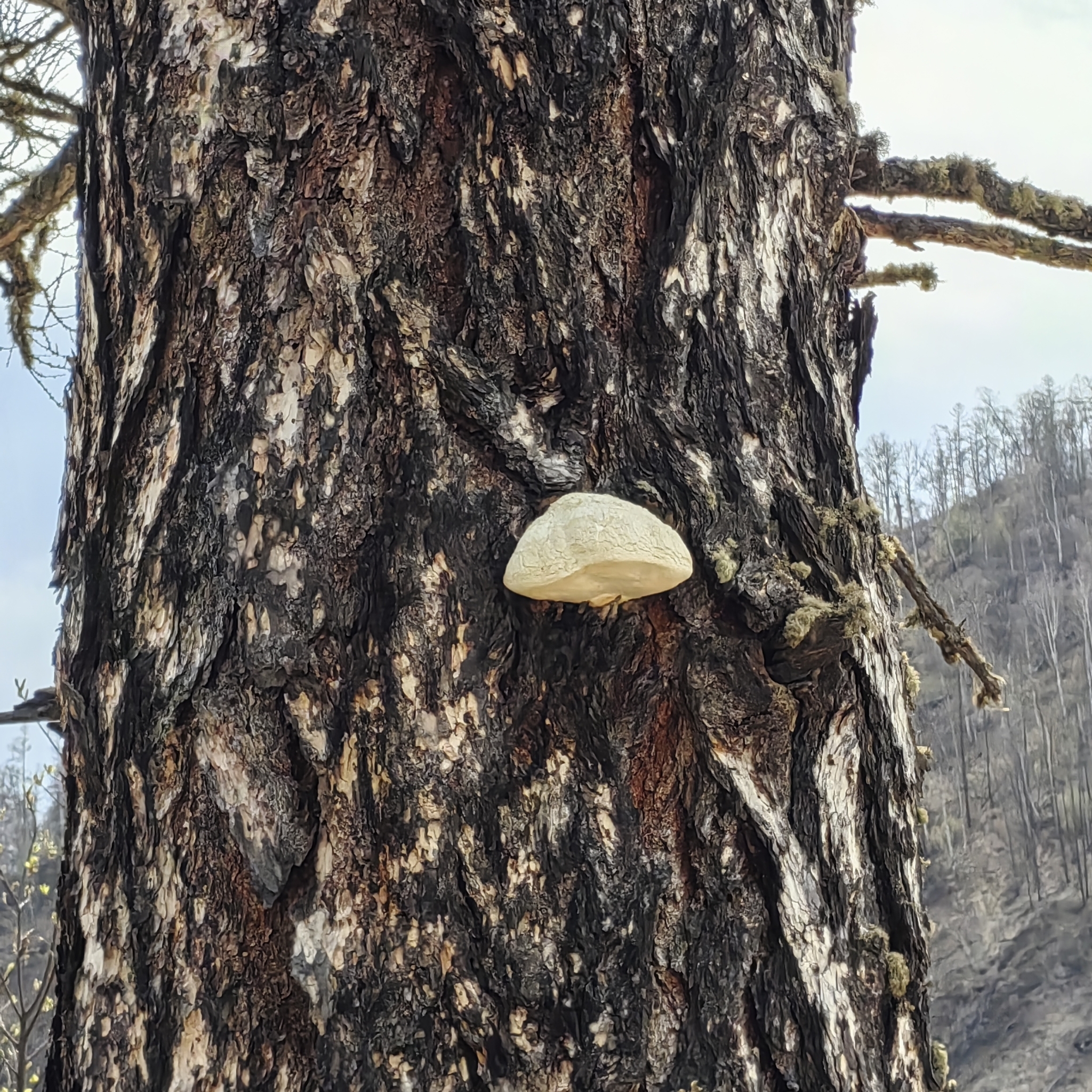
A massive, chalky white conk that grows on old-growth conifers — larch, fir, Douglas fir — and can take decades to reach full size, eventually weighing over 30 kilograms. It requires trees that are 200 years old or more. The systematic logging of old-growth forests across the Northern Hemisphere over the past two centuries has made it functionally extinct in most of Europe and increasingly scarce in the Pacific Northwest of North America.
Agarikon has the longest documented history of medicinal use of any mushroom. The ancient Greek physician Dioscorides referenced it in De Materia Medica around 65 AD, and medieval European physicians later called it elixirium ad longam vitam — the elixir of long life. For over 2,000 years it was a staple of European pharmacopoeias, prescribed for tuberculosis, fevers, and chronic infections. Indigenous peoples of the Pacific Northwest carved agarikon conks into spirit figures and placed them outside homes to ward off evil.
Paul Stamets, the mycologist whose work inspired a character in Star Trek: Discovery, has championed agarikon research. His lab found that extracts show promising activity against poxviruses, tuberculosis bacteria, and H5N1 influenza in bioassays — making it a candidate for biodefense applications. The irony is that by the time modern science confirmed its millennia-old medicinal reputation, we had already destroyed most of the old-growth forests it needs to survive.
What Rarity Tells Us
The thread connecting these ten species is not just scarcity. It is the collision between an organism's extreme specialization and a world that is changing faster than evolution can keep up. Devil's Cigar has been waiting 19 million years in two locations. Agarikon needs centuries-old trees that we have spent centuries cutting down. The Ferla Mushroom survived in Sicilian mountains for millennia until its reputation for flavor traveled beyond the shepherd communities that had always known it.
Fungi occupy a strange space in conservation. They are not cute. They do not have eyes. Most legal frameworks still do not protect them. Yet they underpin the ecosystems that everything else depends on. If these ten species are any indication, we are losing fungal diversity before we have even finished cataloging it.
The next time you walk through a forest, remember: the rarest mushrooms on Earth are not in a museum. They are under your feet, in the rotting wood beside the trail, in the soil between the roots. Most of them have never been photographed. Some of them have never been named.
Curious what that mushroom is? Orangutany identifies mushrooms from photos in seconds.