Psychoactive Mushrooms: What Science Actually Knows (2025)
By Mei Lin Chen · Orangutany
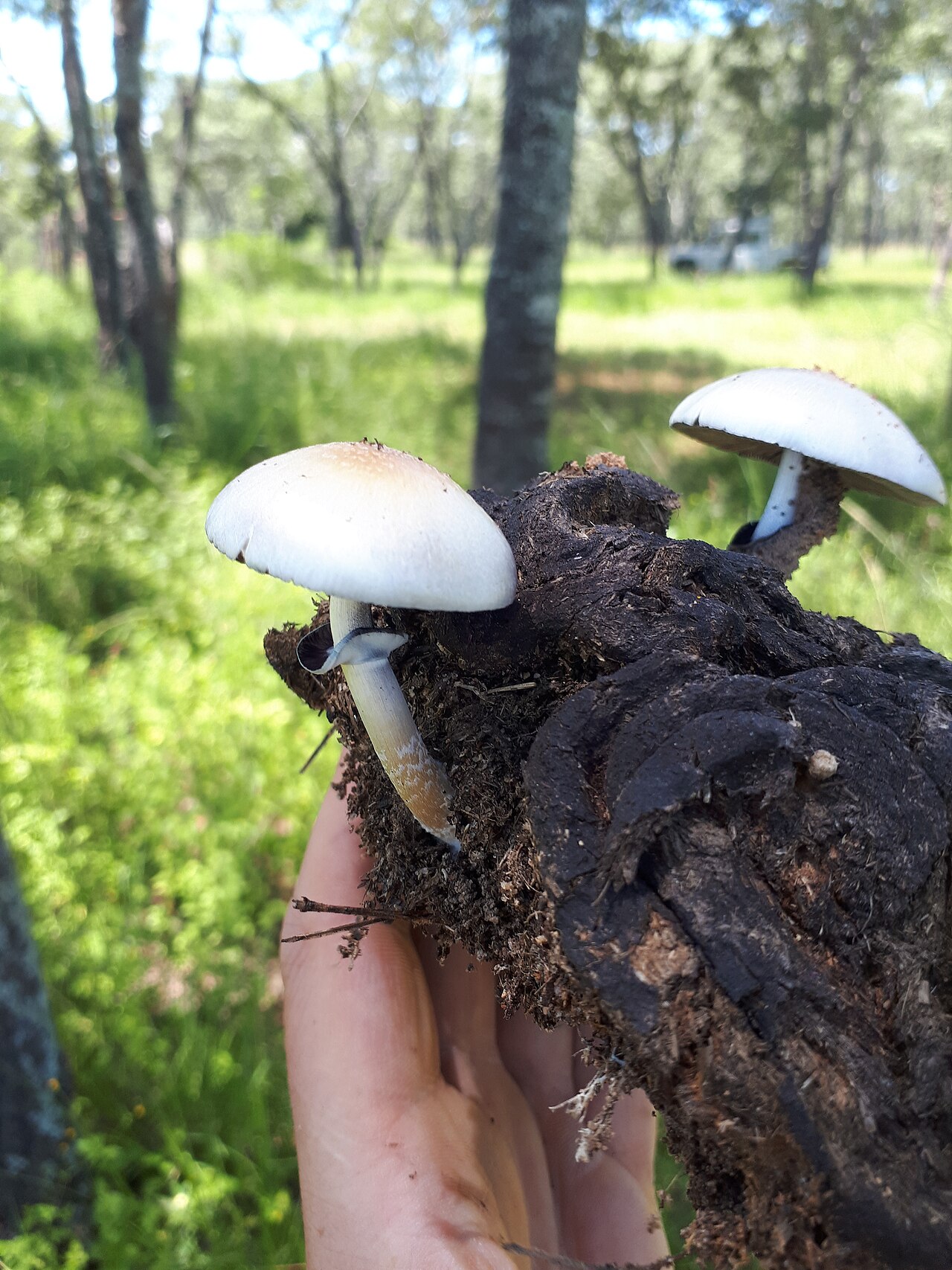
Psilocybin mushrooms have been used by humans for at least 6,000 years. But it's only in the last decade that modern science has started taking them seriously. Here's what we actually know, and what's still just hype.
What Psilocybin Does to the Brain
When you ingest psilocybin, your body converts it into psilocin , the compound which actually crosses the blood-brain barrier. Psilocin binds primarily to serotonin 5-HT2A receptors, the same receptors that regulate mood, cognition, and perception. This isn't a gentle nudge. It's a full-scale disruption of normal serotonin signaling.
One of the most consistent findings in neuroimaging research is that psilocybin reduces activity in the default mode network (DMN), the set of brain regions active during self-referential thinking, mind-wandering, and what researchers sometimes call the “ego” network. At the same time, psilocybin creates temporary hyperconnectivity between brain regions that don't normally communicate with each other. Brain areas which handle vision might start cross-talking with areas that process emotion or memory.
Think of it as temporarily loosening the brain's usual wiring, letting signals flow in new patterns.
The timeline is reasonably predictable: onset at 30–60 minutes after ingestion, peak effects at 1–2 hours, total duration of 4–6 hours. The intensity depends on dose, individual metabolism, and, crucially, the setting.
The Clinical Trials That Changed Everything
The modern era of psilocybin research started with one study. In 2006, Roland Griffiths at Johns Hopkins gave psilocybin to 36 healthy volunteers in a controlled setting, in a landmark study. The results were striking: 60% of participants rated the experience among the most personally meaningful of their entire lives. Not immediately after. 14 months later, when the novelty had long worn off.
That study cracked open a door. In 2016, two landmark trials at NYU and Johns Hopkins tested psilocybin-assisted therapy in patients with cancer-related depression and anxiety. Roughly 80% showed significant reductions in distress, with effects lasting six months or longer. For context, conventional antidepressants often take weeks to kick in and require daily dosing.
In 2022, Imperial College London published a head-to-head comparison of psilocybin versus escitalopram, a widely prescribed SSRI. Psilocybin was at least as effective for depression, and participants reported fewer side effects , notably less emotional blunting and sexual dysfunction than the SSRI group.
Ongoing Phase 2 and Phase 3 trials through the MAPS and Usona Institute are now testing psilocybin for treatment-resistant depression, patients who haven't responded to multiple conventional treatments. The results aren't published yet, but the fact that the FDA granted psilocybin “breakthrough therapy” designation in 2018 tells you something about the early data.
Oregon became the first US state to create a legal framework for psilocybin therapy under Measure 109, with licensed service centers opening in 2023. Colorado followed with its own framework shortly after.
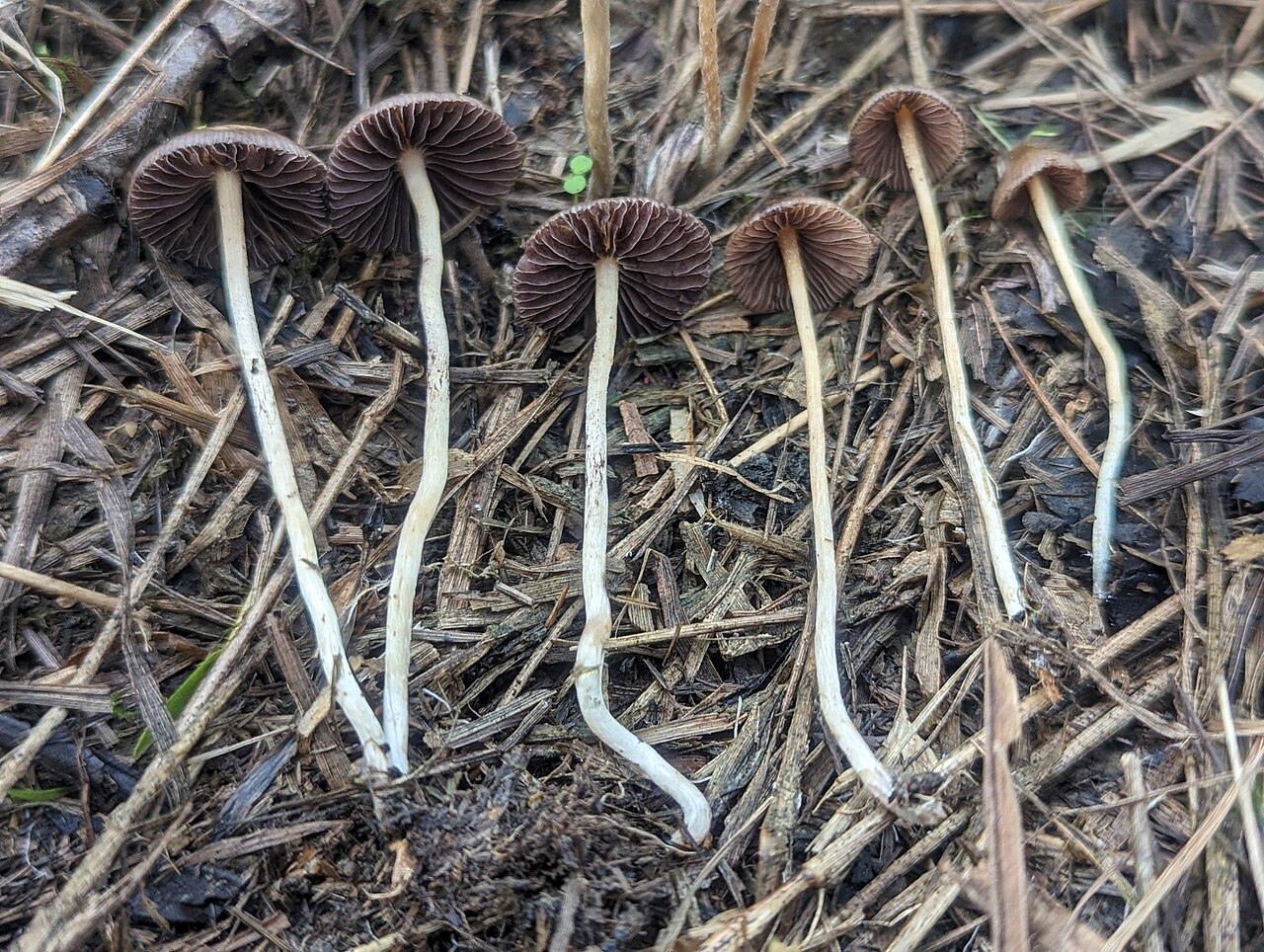
Microdosing: The Evidence Is... Complicated
Microdosing means taking a sub-perceptual dose of psilocybin, typically 1/10th to 1/20th of a full dose, every few days. You shouldn't feel “high.” Proponents claim improvements in focus, creativity, and mood. The practice has exploded in popularity, particularly in tech and creative industries.
The evidence, however, is less exciting than the testimonials. The most rigorous study to date came from Imperial College London in 2021, a “self-blinding” design where participants prepared their own microdoses and placebos, then took them without knowing which was which. The microdosers reported improvements in wellbeing and cognition. But so did the placebo group. There was no statistically significant difference between the two.
Right now, the strongest evidence for microdosing is that expecting it to work... might make you feel better regardless. That doesn't mean it's useless; the placebo effect is real and measurable. But it does mean we can't credit the psilocybin itself based on current data.
The Risks No One Wants to Talk About
If you spend any time in online psychedelic communities, you'd think psilocybin is basically harmless. The data tells a more nuanced story.
“Bad trips” are real and measurable. In clinical trial settings, with screened participants, trained therapists, and controlled environments, roughly 7–8% of participants still report significant anxiety, fear, or psychological distress during sessions. Outside clinical settings, that number is almost certainly higher.
HPPD (Hallucinogen Persisting Perception Disorder) is rare but documented. Some users experience persistent visual disturbances (trailing images, halos, or visual snow) that continue weeks or months after a single use. The mechanism isn't well understood, and there's no reliable treatment.
Drug interactions matter. SSRIs can blunt psilocybin's effects, which some people compensate for by taking higher doses , a risky approach. MAOIs combined with psilocybin can trigger serotonin syndrome, a potentially life-threatening condition.
The most serious risk is for individuals with a personal or family history of psychosis. Psilocybin can trigger or worsen psychotic episodes in vulnerable individuals. Every major clinical trial screens for this, and there's a reason for that.
This is not a risk-free substance. For a broader overview of mushroom toxicity and safety, see the NIH resource. The clinical setting matters enormously.
Amanita muscaria: The Other Psychoactive Mushroom
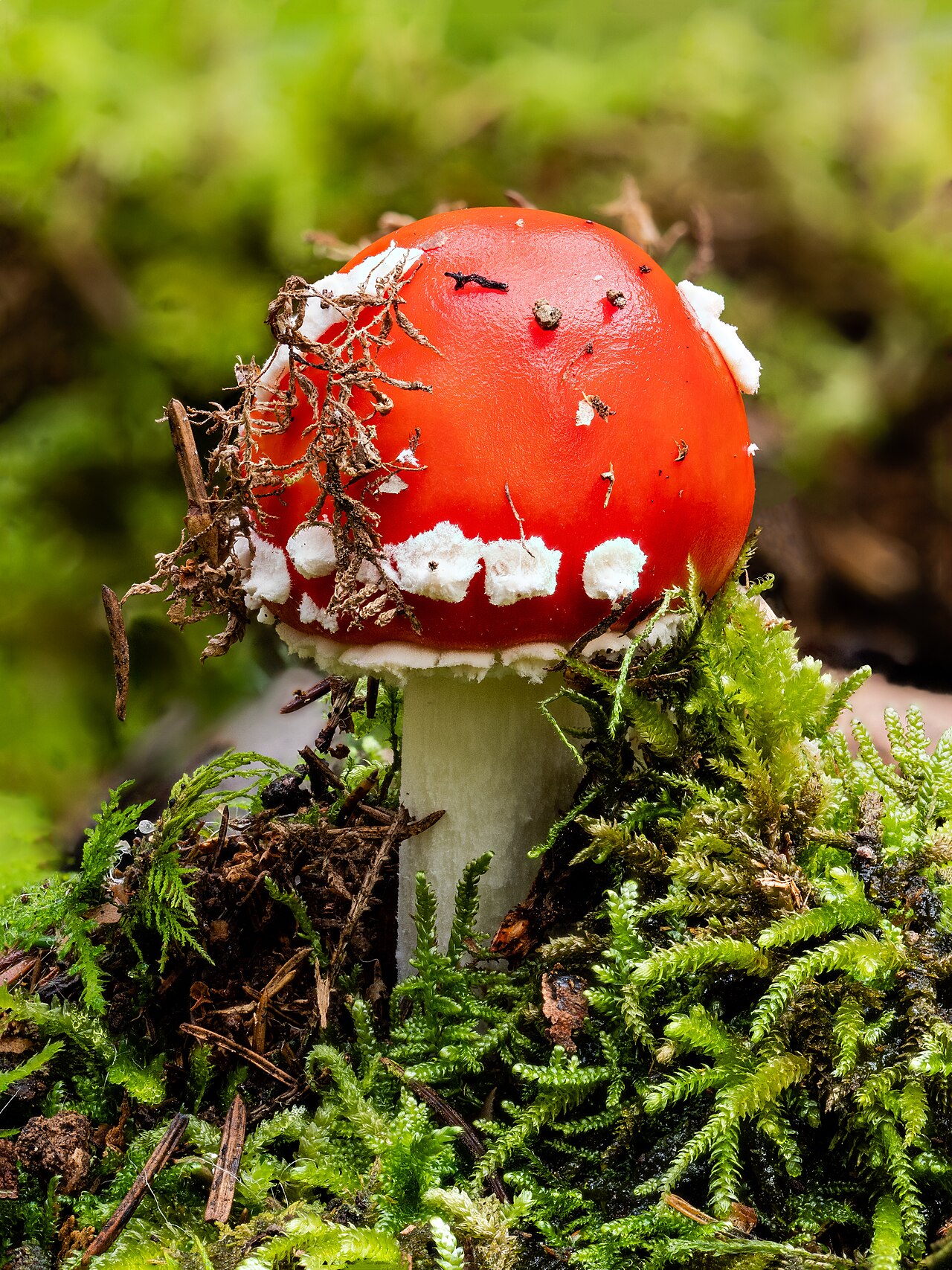
When most people picture a “magic mushroom,” they picture the red cap with white spots. That's Amanita muscaria, and it's a completely different pharmacological animal.
Amanita muscaria doesn't contain psilocybin. Its active compounds are ibotenic acid and muscimol. Where psilocybin acts on serotonin receptors, muscimol is a GABA agonist; it works on the same system that alcohol and benzodiazepines target. The experience is accordingly different: sedation, altered perception, and a characteristic size distortion effect (objects appearing larger or smaller than they are) that almost certainly inspired the “Alice in Wonderland” imagery.
Amanita muscaria has a long history in Siberian shamanic traditions, where it was consumed ceremonially, sometimes by feeding it to reindeer first and drinking the reindeer's urine, which filtered out some of the more toxic compounds. It is not used in any modern clinical research. The effects are unpredictable, the dosing is difficult to standardize, and the toxicity profile is significantly worse than psilocybin.
Legal Status Around the World
Psilocybin remains a Schedule I substance in most of the United States and the United Kingdom. But the landscape is shifting faster than at any point in the last 50 years.
Oregon and Colorado have created legal frameworks for supervised psilocybin therapy. Several US cities, including Denver, Oakland, and Washington DC, have decriminalized possession. The Netherlands permits psilocybin truffles (a legal distinction from mushrooms). Jamaica and Brazil have no laws prohibiting psilocybin. Canada has granted exemptions for therapeutic and end-of-life use.
Australia made the biggest move in 2023, becoming the first country to formally approve psilocybin for therapeutic use under the Therapeutic Goods Administration (TGA). Authorized psychiatrists can now prescribe psilocybin for treatment-resistant depression.
The regulatory trajectory is clear, even if the timeline isn't. More jurisdictions will follow. The question is whether the frameworks will prioritize clinical rigor or rush to market.
The Bottom Line
The science is promising but early. What we know for certain: psilocybin is pharmacologically active, clinically interesting, and not to be taken casually. The rest is still being figured out.
If you're interested in the species most commonly associated with psilocybin research, start with Psilocybe cubensis. For the other psychoactive mushroom discussed above, see our guide to Amanita muscaria.