Psilocybin Therapy: The Race for FDA Approval
By Mei Lin Chen · Orangutany · March 2026
For the first time in half a century, a psychedelic compound is on a plausible path to becoming a federally approved medicine in the United States. Compass Pathways, a UK-based biotechnology company, is running five phase 3 clinical trials of synthetic psilocybin for treatment-resistant depression, with an FDA decision expected in late 2026 or early 2027.
Meanwhile, states are not waiting. Oregon launched the nation's first legal psilocybin therapy program in 2023. Colorado followed with its own framework. New Mexico is set to begin regulated access in December 2026. Washington state has approved a pilot program. And dozens of cities have decriminalized psilocybin possession.
The compound at the center of all this comes from a group of mushrooms that humans have been consuming for thousands of years: Psilocybe cubensis, Psilocybe semilanceata, and more than 200 other psilocybin-producing species found on every inhabited continent.
This article covers where the science stands, what the clinical trials have found, how therapy sessions work, the state-level landscape, and what FDA approval would actually mean.
What Is Psilocybin?
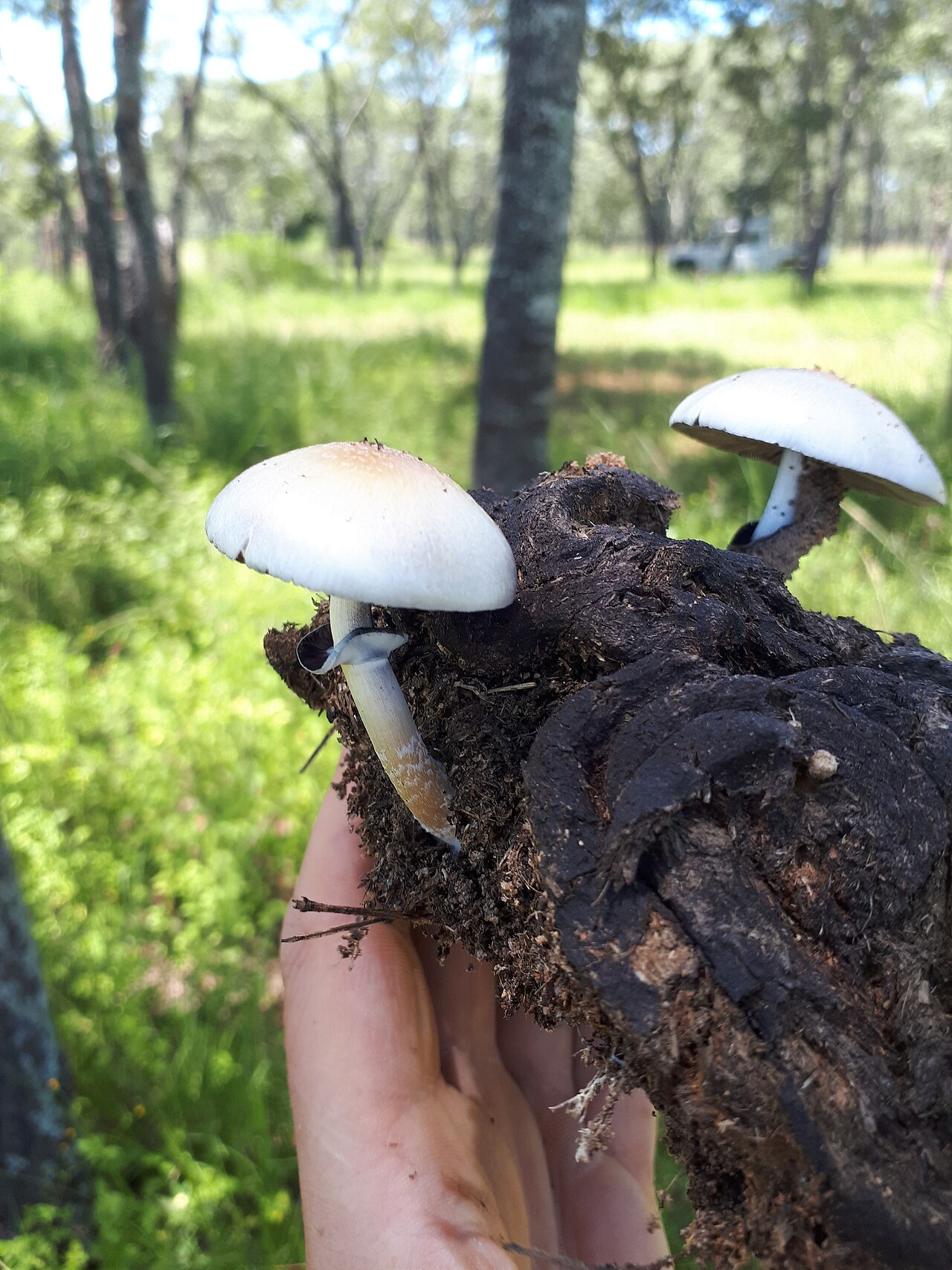
Psilocybin is a naturally occurring psychedelic compound produced by more than 200 species of fungi, most belonging to the genus Psilocybe. When ingested, psilocybin is rapidly converted by the body into psilocin, which binds to serotonin 5-HT2A receptors in the brain. This triggers a cascade of neurological effects including altered perception, profound changes in mood and cognition, and what researchers describe as increased neural connectivity — brain regions that do not normally communicate begin to interact.
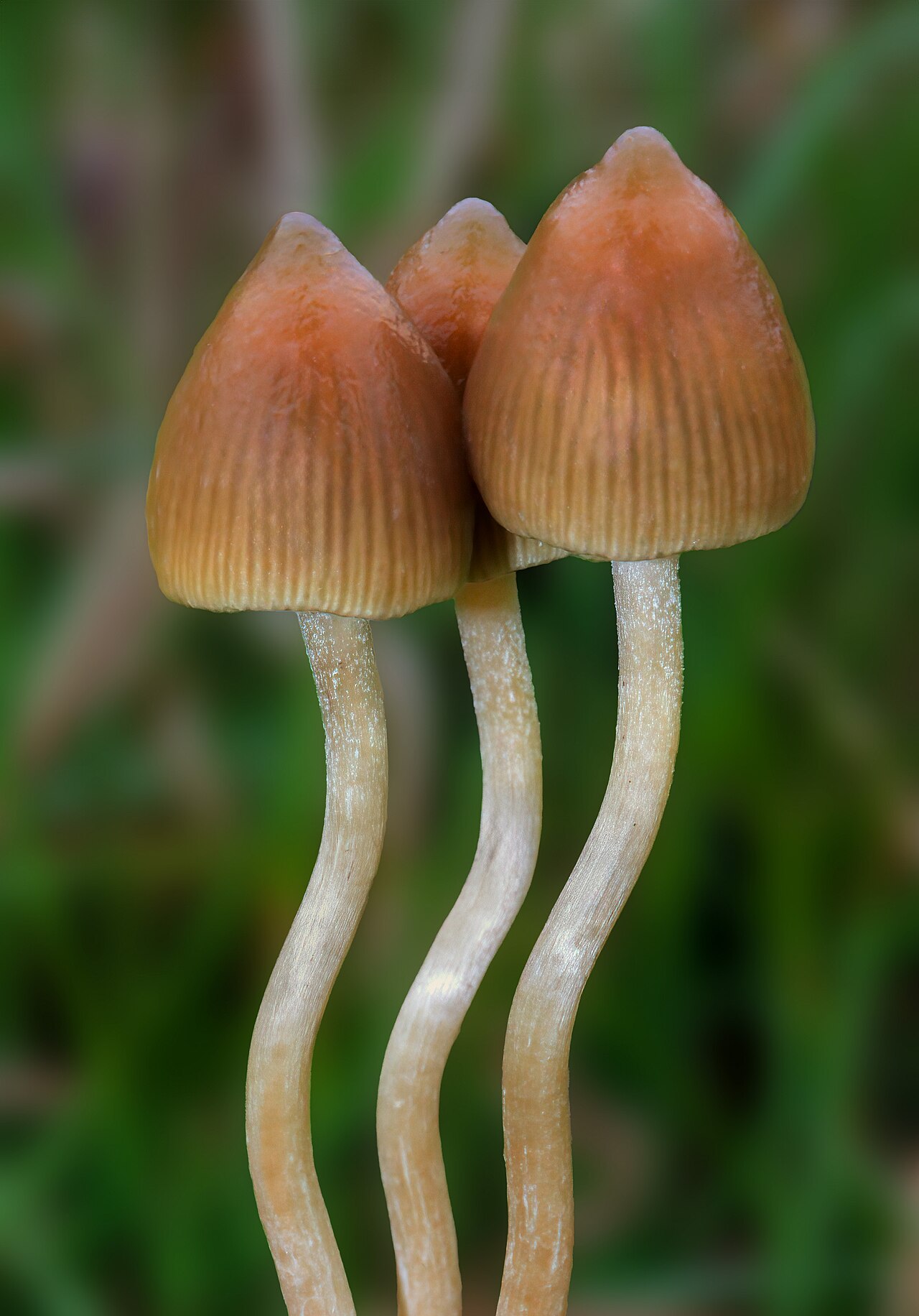
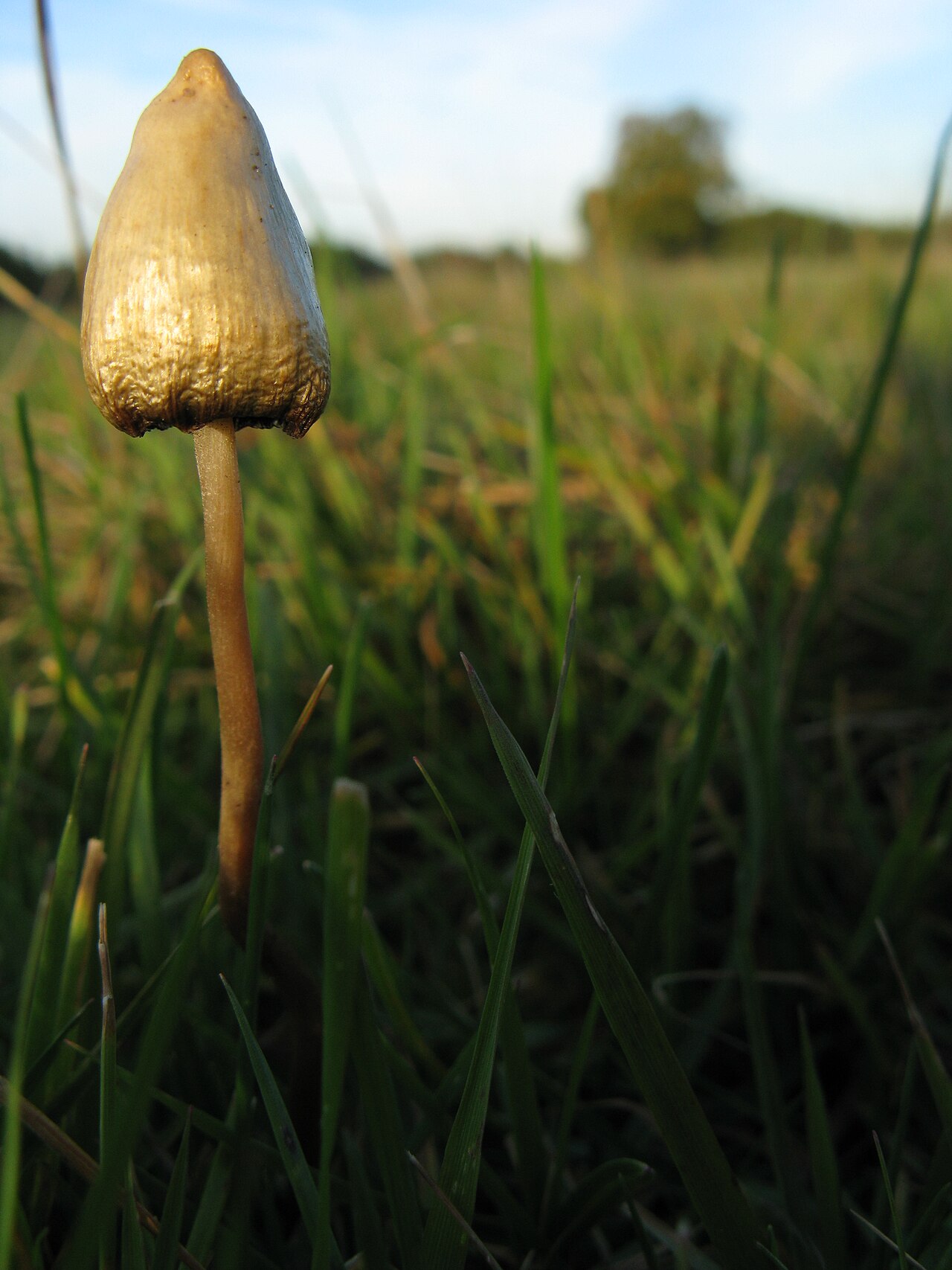
The most commonly known psilocybin mushroom is Psilocybe cubensis, a tropical and subtropical species found across the Americas, Southeast Asia, and Australia. In temperate climates, the liberty cap (Psilocybe semilanceata) is the most widespread species. The Pacific Northwest is home to several potent species including Psilocybe cyanescens and Psilocybe azurescens, the latter considered the most potent psilocybin mushroom known.
Psilocybin was first isolated in 1958 by Albert Hofmann, the Swiss chemist who had also discovered LSD. It was classified as a Schedule I controlled substance in the United States in 1970 under the Controlled Substances Act, effectively halting research for decades.
The Clinical Evidence
Modern psilocybin research restarted in the early 2000s, led by Roland Griffiths at Johns Hopkins University and Stephen Ross at NYU. Since then, a substantial body of clinical evidence has accumulated across multiple conditions.
Treatment-Resistant Depression
The most advanced indication. Compass Pathways' phase 2b trial (published in The New England Journal of Medicine in 2022) enrolled 233 patients with treatment-resistant depression who had failed at least two prior antidepressant treatments. A single 25mg dose of synthetic psilocybin, administered with psychological support, produced rapid and significant reductions in depression scores at three weeks. The response rate (50% reduction in MADRS score) was 37% for the 25mg group versus 18% for the 1mg control.
Major Depressive Disorder
A 2023 Johns Hopkins study found that two sessions of psilocybin therapy produced antidepressant effects lasting at least 12 months in patients with major depression. The study, published in the Journal of Psychopharmacology, reported that 75% of participants showed clinically significant response at 12 months, and 58% were in remission.
End-of-Life Anxiety
Some of the most compelling evidence comes from studies of patients with terminal cancer diagnoses. A landmark 2016 NYU trial found that a single dose of psilocybin produced immediate, substantial, and sustained decreases in anxiety and depression in patients with life-threatening cancer. At six-month follow-up, approximately 80% of participants showed clinically significant reductions in distress. These effects were still present at 4.5-year follow-up.
Addiction
A 2022 Johns Hopkins trial of psilocybin for alcohol use disorder found that participants who received psilocybin therapy had an 83% reduction in heavy drinking days compared to 51% for active placebo, with effects sustained at 8 months. Separate pilot studies have shown promising results for tobacco cessation, with an 80% abstinence rate at six months (compared to ~35% for the best available pharmacotherapy).
PTSD and Other Conditions
Early-stage trials are underway for PTSD, obsessive-compulsive disorder, anorexia nervosa, cluster headaches, and chronic pain. Results are preliminary but have been sufficiently promising to attract significant research funding.
The Path to FDA Approval
The FDA designated psilocybin a “Breakthrough Therapy” for treatment-resistant depression in 2018, a status that accelerates the review process for drugs that show substantial improvement over existing treatments.
Compass Pathways is the furthest along in the regulatory process. The company is running five phase 3 trials across the United States, enrolling patients with treatment-resistant depression who have failed at least two adequate courses of antidepressant therapy. The trials are testing COMP360, a synthetic formulation of psilocybin, administered in a single 25mg dose under clinical supervision.
The phase 3 program was designed in consultation with the FDA and includes:
- Two pivotal efficacy trials comparing psilocybin 25mg to a 1mg active control (the 1mg dose is intended to produce minimal psychoactive effects while maintaining blinding)
- A long-term safety trial tracking outcomes over 12 months
- An open-label extension study for non-responders
- A study examining repeat dosing in patients who initially respond but later relapse
Compass expects to submit its New Drug Application (NDA) in 2026, with an FDA decision potentially in late 2026 or early 2027. If approved, psilocybin would become the first psychedelic compound to receive FDA marketing authorization.
The FDA's August 2024 rejection of MDMA-assisted therapy for PTSD (Lykos Therapeutics, formerly MAPS) cast a shadow over the psychedelic medicine field. The agency cited concerns about trial methodology, functional unblinding (patients could tell whether they received MDMA or placebo), and the difficulty of separating drug effects from therapy effects. Compass has stated that its trial design accounts for these concerns, but the MDMA rejection raised the bar for all psychedelic drug applications.
How Psilocybin Therapy Sessions Work
Psilocybin therapy is not “take a pill and go home.” It is a structured process involving preparation, a guided psychedelic experience, and integration. This model has been consistent across virtually all clinical trials and state-level programs.
Preparation (1–2 sessions before dosing)
The patient meets with a trained therapist or facilitator to discuss their mental health history, set intentions for the experience, and learn what to expect. The therapist establishes a relationship of trust that will be crucial during the dosing session. Patients are screened for contraindications including personal or family history of psychotic disorders, certain cardiac conditions, and current use of serotonergic medications.
The Dosing Session (6–8 hours)
The patient takes a capsule containing a measured dose of synthetic psilocybin (typically 25mg in clinical trials) in a comfortable, controlled setting, often a room designed to feel more like a living room than a clinic. One or two trained facilitators remain present throughout the session. Patients typically wear an eye mask and listen to a curated music playlist. The experience lasts 4–6 hours, during which the facilitators provide supportive presence but minimal direction. The effects peak at approximately 2–3 hours and gradually subside.
Integration (1–3 sessions after dosing)
In the days and weeks following the dosing session, the patient meets with the therapist to process the experience, discuss insights that emerged, and work on translating any psychological shifts into lasting changes. Integration is considered by researchers to be a critical component of the therapeutic process.
The State-Level Landscape
While federal approval remains pending, several states have created their own legal frameworks for psilocybin access.
Oregon (Measure 109)
Oregon became the first state to legalize regulated psilocybin therapy when voters passed Measure 109 in November 2020. The Oregon Health Authority spent two years developing the regulatory framework, and the first licensed psilocybin service centers opened in mid-2023. The program allows adults 21 and older to receive psilocybin in supervised sessions at licensed facilities. No diagnosis or prescription is required. As of early 2026, approximately 30 licensed service centers are operating statewide. Sessions typically cost $1,500–$3,500, which is not covered by insurance. Facilitators complete a state-mandated training program. Early reports indicate strong demand, particularly from people with depression, anxiety, and end-of-life distress.
Colorado (Proposition 122)
Colorado voters passed Proposition 122 in November 2022, decriminalizing psilocybin possession and establishing a framework for regulated “healing centers.” The state's Natural Medicine Division has been developing rules for licensed facilitator training and service center operations. The first healing centers are expected to open in 2025–2026. Colorado's law also decriminalized possession of several other natural psychedelics including DMT, ibogaine, and mescaline (excluding peyote).
New Mexico
New Mexico passed legislation in 2024 creating a regulated psilocybin therapy program, with the state health department tasked with developing regulations. Licensed access is expected to begin in December 2026. New Mexico has a long history of psychedelic research — the University of New Mexico hosted some of the earliest modern psilocybin studies.
Washington
Washington state approved a psilocybin therapy pilot program in 2024, allowing a limited number of licensed providers to offer supervised psilocybin sessions. The pilot is designed to generate data on safety and efficacy in a real-world clinical setting before the state considers broader legalization.
Other States
Psilocybin legislation has been introduced in more than 20 states. Connecticut, Hawaii, Maryland, New York, and Texas have all considered bills related to psilocybin research, therapy programs, or decriminalization. Most have not advanced to a vote, but the legislative momentum is notable.
Current Legal Status
Psilocybin remains a Schedule I controlled substance under federal law in the United States, meaning it is classified as having “no currently accepted medical use” and a “high potential for abuse.” This classification creates a legal tension with state programs: Oregon's psilocybin service centers operate legally under state law while technically violating federal law, similar to the situation with state-legal cannabis.
The Department of Justice has not signaled an intent to enforce federal law against state-licensed psilocybin programs. However, the Schedule I status complicates research funding, banking for psilocybin businesses, and insurance coverage.
Internationally, psilocybin's legal status varies widely. It is legal for therapeutic use in Jamaica and the Netherlands (where psilocybin-containing truffles are sold openly). It is decriminalized in Portugal and parts of Brazil. Australia rescheduled psilocybin for therapeutic use in July 2023, making it available by prescription from specially authorized psychiatrists. Canada has granted individual exemptions for psilocybin therapy in palliative care settings.
Risks and Contraindications
Psilocybin is physiologically one of the safest psychoactive compounds known. It is not addictive, does not produce physical dependence, and has an extremely wide safety margin — the ratio between a psychoactive dose and a lethal dose is estimated at roughly 1,000:1. No deaths from psilocybin toxicity alone have been documented in clinical settings.
However, psilocybin is not without risks:
- Psychiatric contraindications: Psilocybin is contraindicated in people with a personal or family history of schizophrenia, psychotic disorders, or bipolar I disorder. The compound can trigger psychotic episodes in vulnerable individuals, and all clinical trials screen rigorously for these conditions.
- Psychological distress during sessions: Psilocybin can produce intense anxiety, fear, paranoia, or feelings of losing control during the experience. In clinical settings, trained facilitators manage these episodes through reassurance and grounding techniques. In uncontrolled settings, these experiences can be traumatic.
- Cardiovascular effects: Psilocybin causes modest, transient increases in heart rate and blood pressure. This is generally not dangerous in healthy individuals but may be a concern for people with uncontrolled hypertension or certain cardiac conditions.
- Drug interactions: Psilocybin interacts with serotonergic medications, particularly SSRIs and MAOIs. Most clinical trials require patients to taper off antidepressants before receiving psilocybin, which itself carries risks.
- Hallucinogen persisting perception disorder (HPPD): A rare condition in which visual disturbances (trailing images, halos, geometric patterns) persist long after the psychedelic experience has ended. Incidence in clinical trials has been extremely low but not zero.
The risk profile of psilocybin in controlled clinical settings is markedly different from unsupervised use. Almost all serious adverse events in the literature have occurred outside clinical contexts, often involving unknown doses, pre-existing psychiatric conditions, or concurrent substance use.
A Note on Wild Psilocybin Mushrooms
Clinical psilocybin therapy uses synthetically produced, precisely dosed psilocybin in capsule form. This is different from consuming wild psilocybin mushrooms, which carry additional risks including variable potency, species misidentification, and contamination.
The most serious risk of foraging for psilocybin mushrooms is misidentification. Several deadly species resemble psilocybin mushrooms, most notably Galerina marginata, a small brown mushroom that contains the same lethal amatoxins as the death cap and frequently grows in the same habitats as Psilocybe cyanescens. Multiple fatalities have been attributed to foragers confusing Galerina with Psilocybe species.
The legalization of psilocybin therapy does not make foraging for wild psilocybin mushrooms legal or safe. Even in Oregon and Colorado, possession of psilocybin mushrooms outside of licensed settings remains restricted.
What FDA Approval Would Mean
If the FDA approves Compass Pathways' psilocybin therapy for treatment-resistant depression, it would represent a watershed moment for psychedelic medicine and for mental health treatment more broadly.
- Insurance coverage: FDA-approved treatments can be covered by insurance. This would make psilocybin therapy accessible to patients who cannot afford the $1,500–$3,500 out-of-pocket cost of state-level programs.
- Rescheduling: FDA approval would likely trigger DEA rescheduling of psilocybin from Schedule I (no accepted medical use) to Schedule II or III (accepted medical use with restrictions). This would ease research barriers and resolve some of the federal-state legal conflicts.
- Clinical access: Psychiatrists and other qualified prescribers could offer psilocybin therapy under FDA guidelines, dramatically expanding access beyond the handful of states with their own programs.
- Research acceleration: Rescheduling would simplify the regulatory burden on researchers, enabling larger, more diverse trials for additional indications including PTSD, addiction, and eating disorders.
- Precedent: Approval of psilocybin would establish a regulatory pathway for other psychedelic compounds, including MDMA (pending resubmission), LSD (in early-stage trials for anxiety), and DMT (being studied for depression).
FDA approval would not make psilocybin available over the counter or for unsupervised use. The drug would almost certainly be approved under a Risk Evaluation and Mitigation Strategy (REMS), requiring administration in certified clinical settings by trained healthcare providers. Patients would not take psilocybin home.
The path from a mushroom growing in a cow pasture to an FDA-approved medicine has taken decades, involved thousands of patients in clinical trials, and navigated one of the most complex regulatory and cultural landscapes in modern medicine. Whether the FDA says yes or no to Compass Pathways' application, the science of psilocybin therapy has already fundamentally changed the conversation about how we treat depression, addiction, and existential distress.
For species profiles of psilocybin-producing mushrooms, including identification characteristics and distribution, see our pages on Psilocybe cubensis, Psilocybe semilanceata, Psilocybe cyanescens, and Psilocybe azurescens.