Morel vs False Morel: How to Tell Them Apart Before It's Too Late
By Daniel Okafor · Veterinary Technician, Portland, OR
Last spring at a mycological society meetup in the Willamette Valley, a newer member brought in a basket of what he believed were black morels. He was proud of the haul. An experienced member picked through the basket, paused, and set two specimens aside on the table. The room got quiet. Those two were Gyromitra esculenta. False morels. The kind that contain a compound your body converts to rocket fuel.
Nobody raised their voice. Nobody panicked. But you could feel it in the room: the understanding of what almost happened. The forager had never cut one open. He had never checked how the cap attached to the stem. He went by shape and color alone, and shape and color are not enough.
This article covers the three tests that separate true morels from their dangerous look-alikes. They take about 30 seconds total. If you forage morels, or plan to start, you need to know all three.
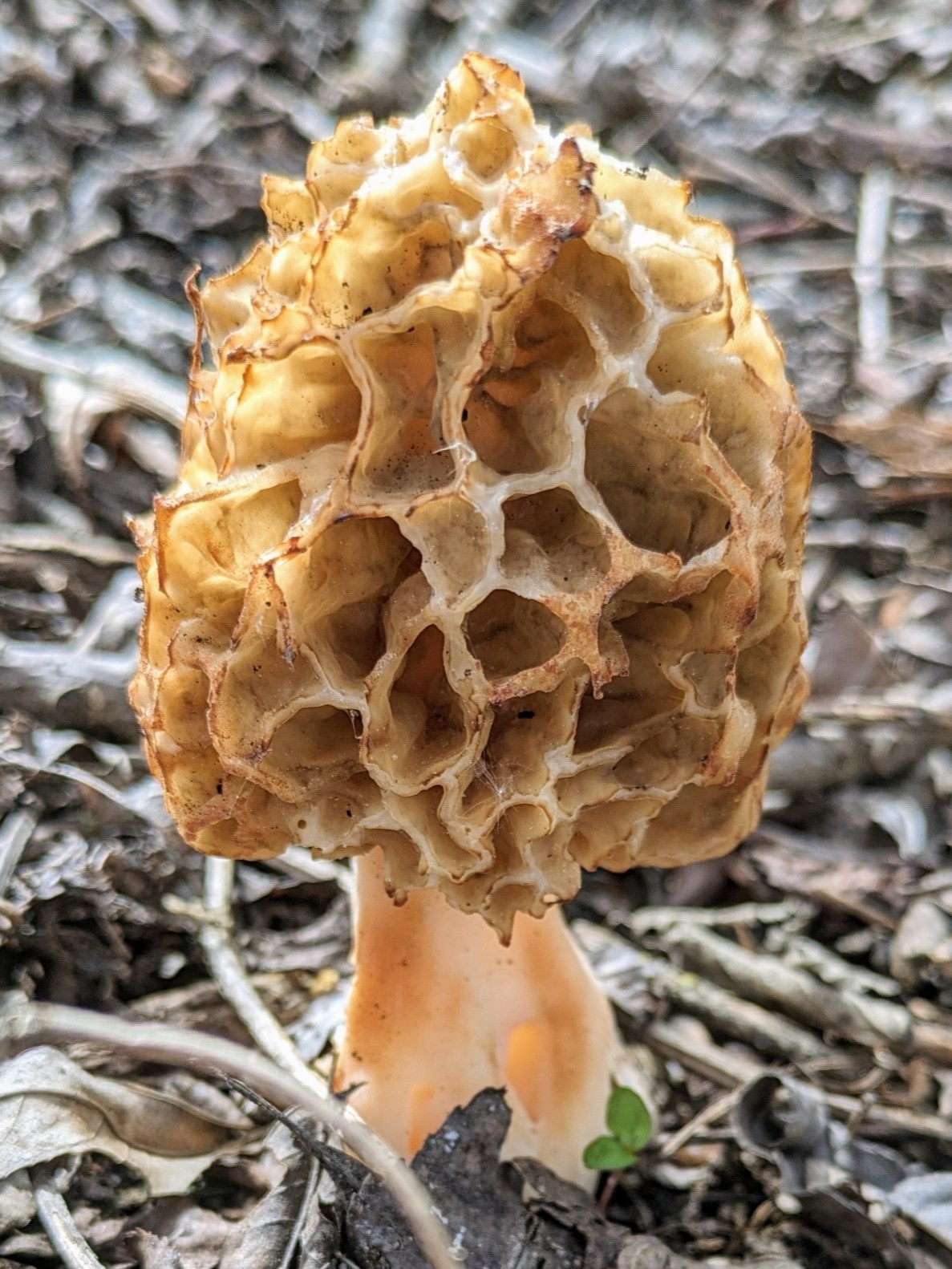
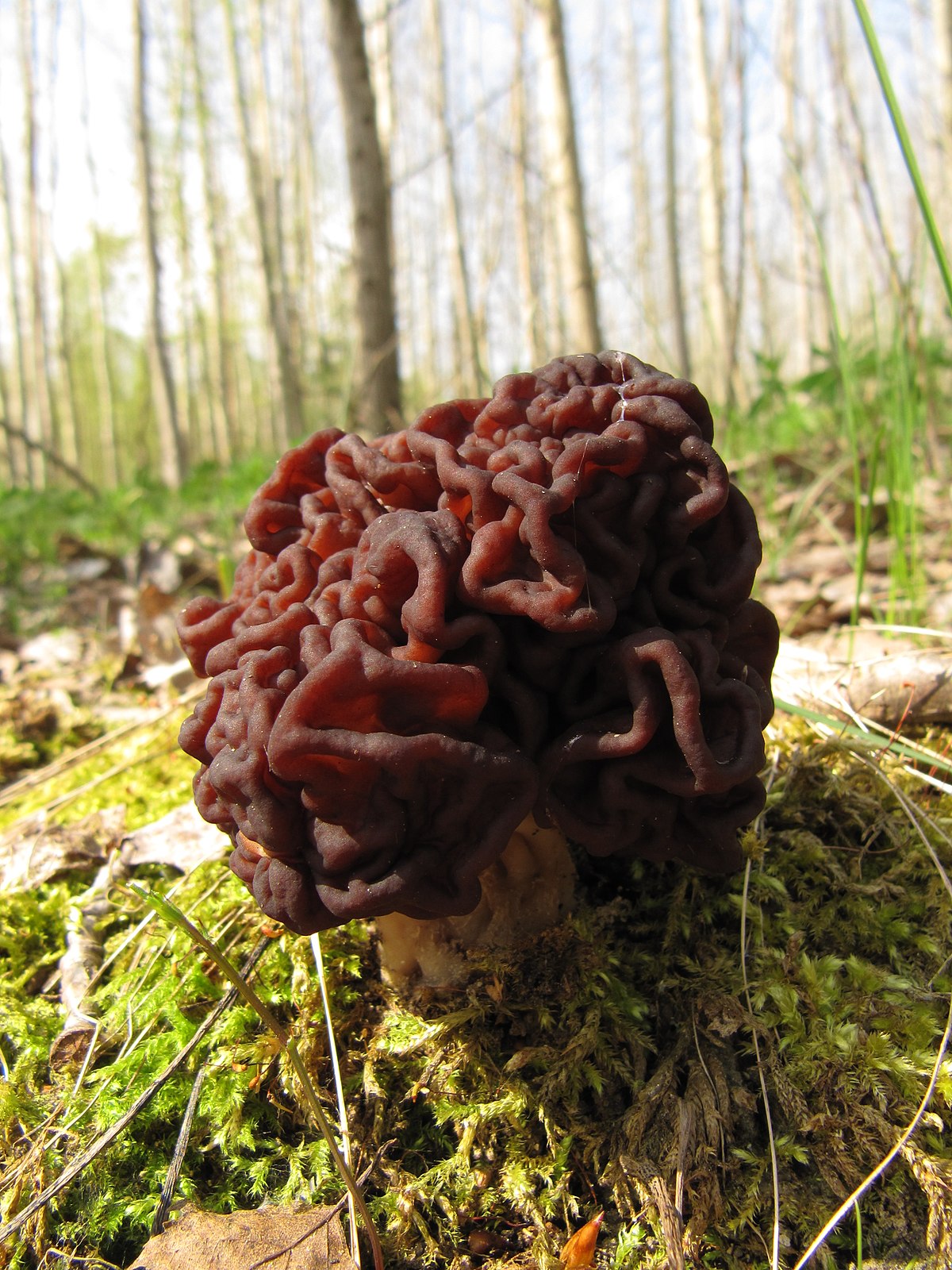
Honeycomb pits (left) vs brain-like wrinkles (right). Once you've seen them side by side, the difference is unmistakable.
The Cut Test: The Single Most Reliable Field Check
Slice the mushroom in half from top to bottom. This is the test that matters more than any other.
A true morel (Morchella species, well-documented on MushroomExpert.com) is completely hollow inside. The cap and stem form one continuous cavity, like a tube. There is nothing in there. No fibers, no tissue, no cotton-like material. Just air.
A false morel (Gyromitra species) is not hollow. When you cut it open, you will see chambered, cottony interior tissue. It looks stuffed. Some species have lobes and folds of flesh inside, others have a wispy, fibrous filling. Either way, it is not empty.
If you only remember one thing from this article: cut it open. A true morel is always hollow.
Cap Attachment
On a true morel, the cap is fused directly to the stem at the bottom edge. The cap and stem are one continuous piece. You cannot peel the cap away from the stem without tearing the flesh.
On a false morel, the cap hangs free. It attaches only at the very top of the stem, like an umbrella or a skirt draped over a pole. You can often lift the edge of the cap and see daylight between the cap and stem. This is a clear warning sign.
Cap Texture
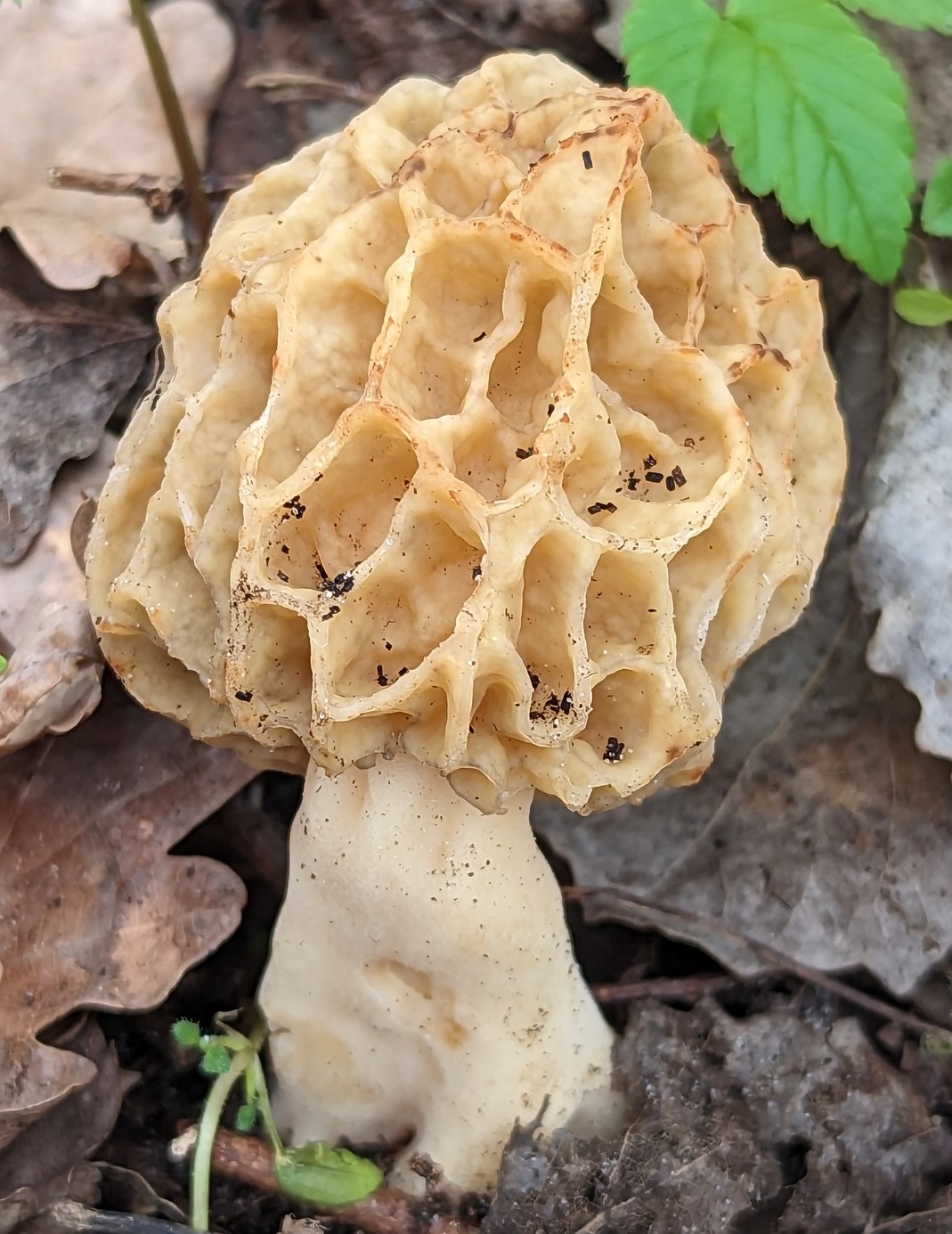
True morels have a distinctive honeycomb pattern on the cap surface. Regular pits and ridges, organized and repeating. It looks geometric, almost architectural. Different morel species vary in color (yellow, gray, black), but the honeycomb structure is consistent across all of them.
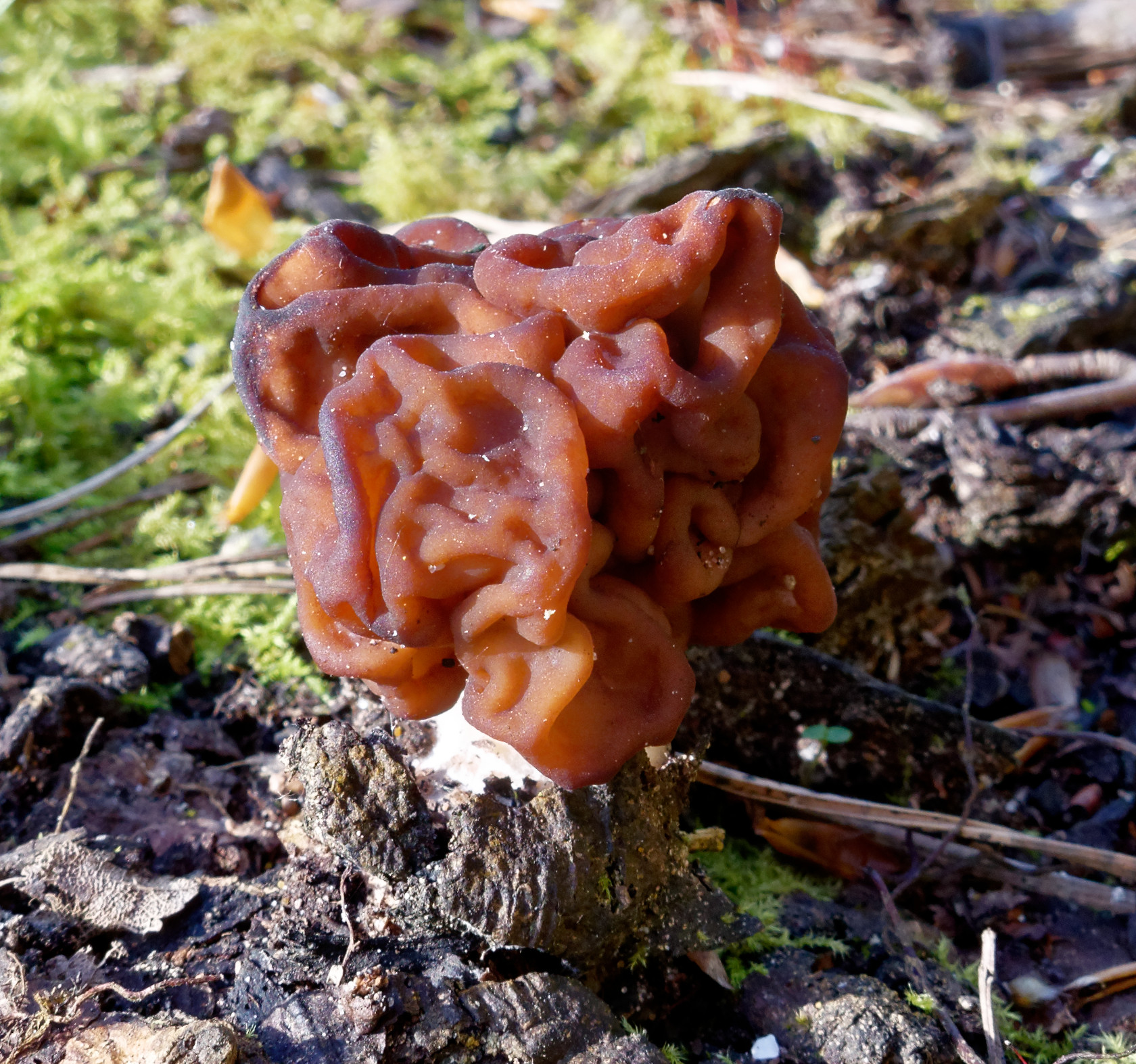
False morels have a wrinkled, brain-like, irregular surface. No honeycomb. No pits. The cap looks like crumpled fabric or, honestly, like a brain. The lobes fold over each other in random patterns. Once you have seen both side by side, the difference is obvious.
Gyromitra esculenta: The Most Dangerous False Morel
The species name “esculenta” means “edible.” That name has killed people. Gyromitra esculenta contains gyromitrin, a compound your body metabolizes into monomethylhydrazine, as documented in the NIH mushroom toxicity reference. MMH. The same chemical used as rocket propellant.
Symptoms are delayed, typically 6 to 12 hours after ingestion. By the time you feel sick, the damage is underway. Gyromitrin targets the liver and kidneys. Severe cases lead to organ failure. Deaths have been documented repeatedly in Europe, particularly in Finland and Sweden, where G. esculenta is paradoxically considered a traditional food in some regions.
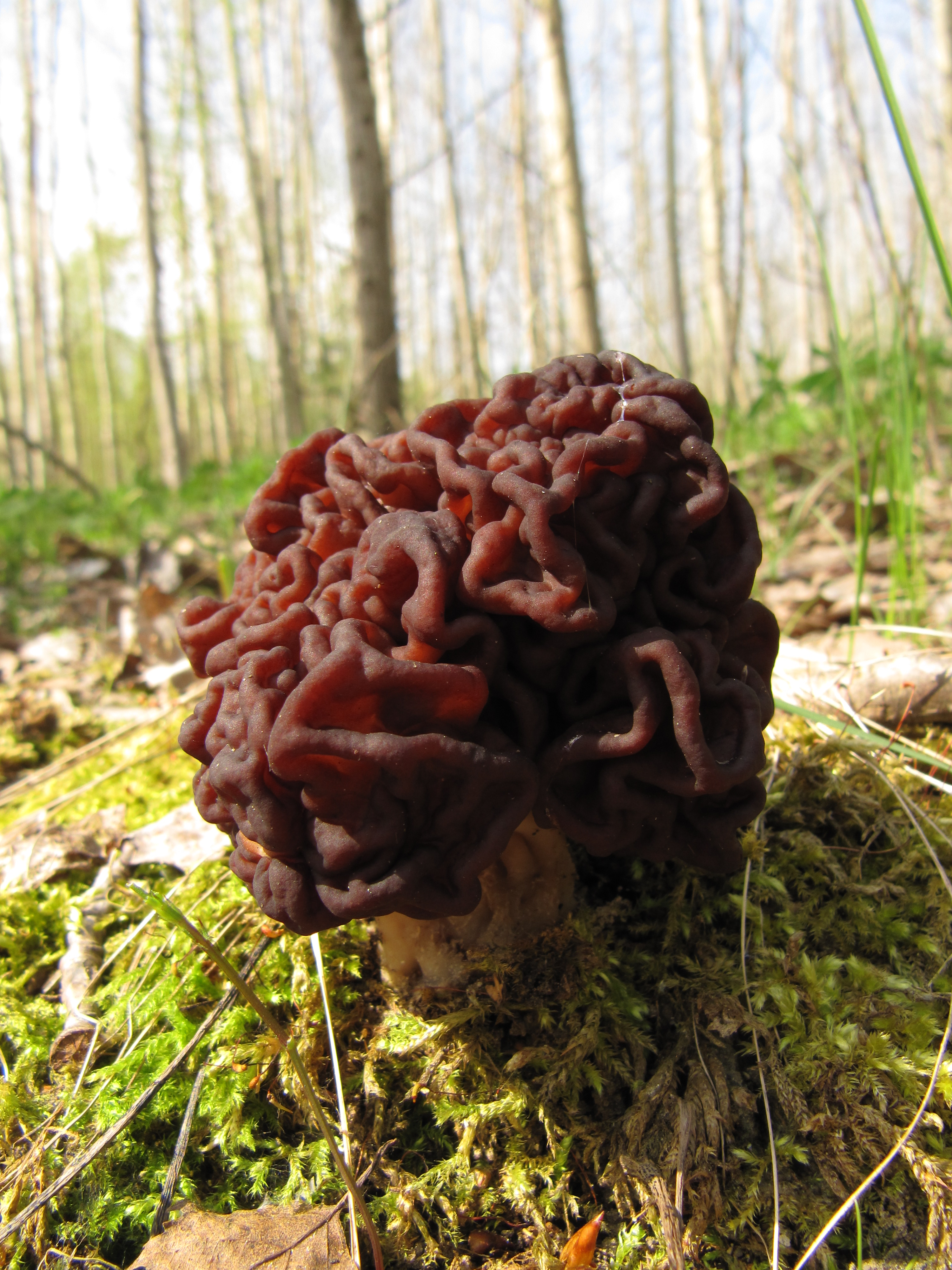
Some foragers parboil Gyromitra multiple times and discard the water, claiming this removes the toxin. Gyromitrin is volatile and partially water-soluble, so parboiling does reduce the concentration. But “reduce” is not “eliminate.” Toxin levels vary between individual specimens. There is no way to know how much remains after cooking. People who eat parboiled Gyromitra for years without incident are not proving it is safe. They are playing a game where the consequences are cumulative liver damage and the odds are unknowable.
Verpa bohemica: The Tricky One
Verpa bohemica is the false morel most likely to fool you. Its cap has a wrinkled, ridged surface that can resemble a morel at first glance, especially when it is young or partially dried. It looks more like a morel than Gyromitra does, which makes it more dangerous in a practical sense.
The giveaway is cap attachment. The Verpa cap attaches only at the very top of the stem. The rest hangs completely free. If you look underneath the cap, you will see the stem standing inside it like a finger inside a thimble. A true morel never looks like this.
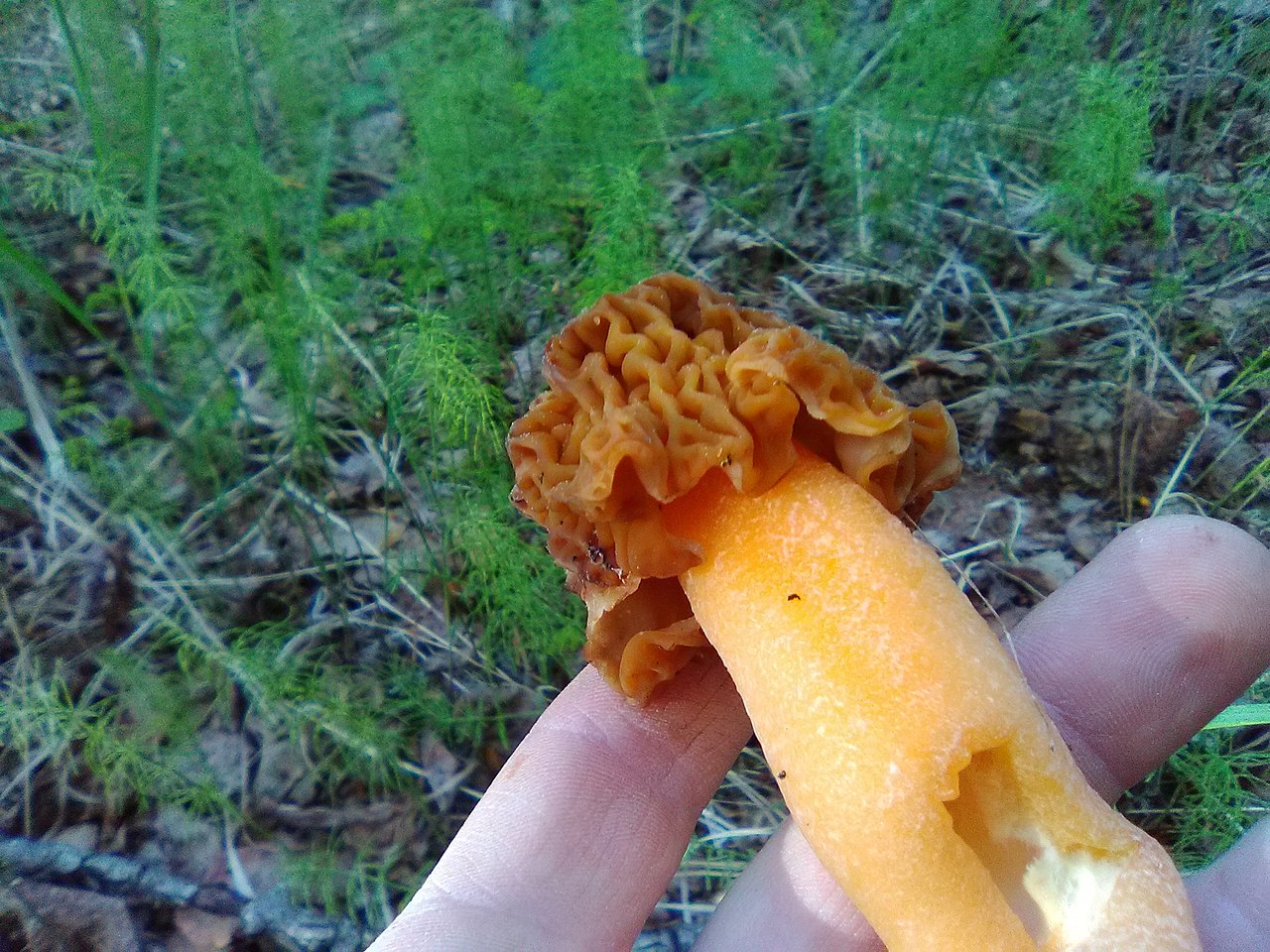
The cut test also works. Slice a Verpa lengthwise and you will see cottony, wispy fibers inside the stem. It is not fully hollow the way a true morel is. Some people eat Verpa bohemica without apparent ill effects, but gastrointestinal reactions have been reported, and there is no reason to take the risk when true morels are available.
Half-Free Morels (Morchella punctipes): The One That Starts Arguments
The half-free morel is a true morel. It is in the genus Morchella. It is safe to eat. But it causes more arguments on foraging forums than almost any other species because its cap is only attached to the stem about halfway down.
The bottom half of the cap hangs free, which makes people nervous because free-hanging caps are a false morel characteristic. Here is how to confirm it: cut it open. A half-free morel is completely hollow inside, just like every other true morel. The honeycomb cap pattern is present. The cap is attached at a midpoint, not only at the very top. These three features together confirm it.
Half-free morels tend to be smaller and less meaty than other morels. Some foragers skip them. Others prize them. Either way, they are not dangerous.
Case: A Family Hospitalized in British Columbia
In a widely reported case from British Columbia, a family of four was hospitalized after eating what the father believed were morel mushrooms. They were Gyromitra. The father told medical staff he identified them because “they looked wrinkly.” He had never sliced one open to check the interior.
Symptoms appeared roughly 8 hours after the meal. Nausea, vomiting, abdominal pain. The two children were treated and released after several days. The parents required longer hospitalization for liver monitoring. All four survived, but the case illustrates what happens when someone relies on external appearance alone.
A single lengthwise cut would have revealed the chambered interior. That cut takes two seconds.
The 30-Second Safety Check
Every morel you pick should pass two questions before it goes in your basket:
- 1.Cut it in half lengthwise. Is it completely hollow inside? No fibers, no chambers, no cottony material. Just an empty cavity from cap to stem base.
- 2.Is the cap attached to the stem at the base (or at least halfway down)? Not just at the very top. The cap should be fused to the stem, not hanging free like a skirt.
If the answer is yes to both, you have a true morel. If either answer is no, set it aside. Do not eat it. Do not assume it is fine because the rest of your basket tested positive.
Side-by-Side Comparison
| Feature | True Morel (Morchella) | Gyromitra (False Morel) | Verpa bohemica |
|---|---|---|---|
| Interior | Completely hollow | Chambered, cottony tissue | Cottony fibers in stem |
| Cap attachment | Fused to stem at base | Hangs free, attached at top only | Attached at top only |
| Cap surface | Honeycomb pits and ridges | Brain-like, irregular lobes | Wrinkled ridges, somewhat regular |
| Toxicity | Edible (cook thoroughly) | Contains gyromitrin. Potentially fatal | GI upset reported. Avoid |
| Symptom onset | N/A | 6-12 hours delayed | Variable, typically hours |
| Season | Spring (March-May) | Spring, overlaps with morel season | Early spring, often before morels |
Morel season is short and the excitement of finding them is real. That excitement is exactly when mistakes happen. The tests described here are not complicated. Cut it open. Check how the cap attaches. Look at the surface pattern. Do all three, every time, for every specimen. Not just the first one in the basket.
The forager at that mycological society meetup still comes to every meeting. He carries a knife now and cuts every morel in the field before it goes in his bag. That is exactly the right response.
Found something in the wild you can't identify? Try Orangutany, it can ID mushrooms from a photo.